
Plants
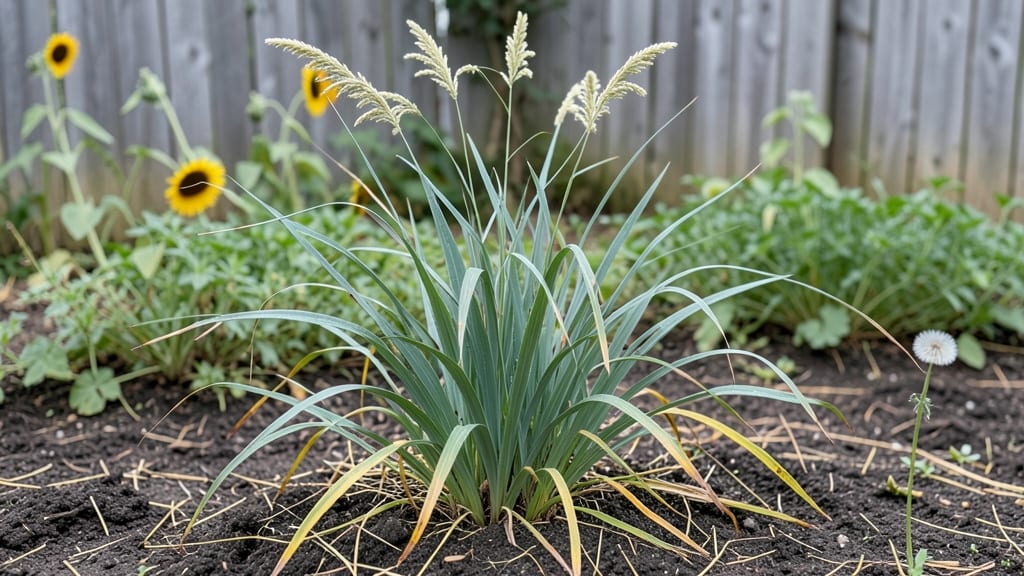
Growing Japanese fountain grass 🌿 delivers the drama of a Zen garden with almost no effort—just plant it, admire it, and let it do the work.
Picture this: a 3-foot-tall fountain of feathery plumes swaying in your yard, zero pruning required, and it still looks like a million bucks in every season. That’s the magic of this grass—it’s the ultimate “set it and forget it” plant for anyone tired of fussing over their garden.
We’re talking full-sun lovers that thrive in USDA Zone 6a and beyond, with spring planting as the perfect starting point. Whether you’re filling a corner, lining a path, or creating a statement piece, this grass delivers texture, movement, and year-round interest without the upkeep.
Below, I’ll walk you through the easiest planting tips, how to keep it lush with minimal watering, and why it’s the secret weapon for low-maintenance gardens that still feel intentional.
How to plant and grow Japanese fountain grass for maximum impact
Japanese fountain grass (Pennisetum alopecuroides) is one of the easiest ornamental grasses to grow, offering dramatic plumes and year-round texture with minimal effort. Unlike high-maintenance grasses, it thrives on neglect while still delivering striking visual interest from spring through winter.
The key to maximizing its impact lies in proper planting techniques, soil preparation, and strategic spacing—all of which I’ll break down step by step.
This grass excels in USDA Zones 5-9, making it versatile for cool climates and warmer regions alike. What sets it apart is its architectural form, which creates movement in the garden even on still days.
Whether you’re planting it as a solitary specimen, a border accent, or in mass plantings, following the right steps ensures it reaches its full 4-6 foot height and 3-4 foot spread within just two growing seasons.
Select a spot with full sun exposure (6+ hours daily)—this is non-negotiable for optimal plume development and compact growth. While it tolerates partial shade, expect leggier stems and less vibrant color. Avoid low-lying areas where water pools, as soggy soil leads to root rot.
Japanese fountain grass thrives in well-draining, slightly acidic to neutral soil (pH 6.0-7.0). Amend heavy clay by mixing in 2-3 inches of compost or sand to improve aeration.
For sandy soils, add organic matter like peat moss to retain moisture. A light mulch (1-2 inches) of shredded bark helps regulate soil temperature.
Spring (after last frost) or early fall are ideal planting windows. Dig a hole twice as wide as the root ball but only as deep—planting too deep suffocates roots.
Space clumping varieties 18-24 inches apart and spreading types 24-36 inches apart to prevent overcrowding. Group odd numbers (3, 5, or 7 plants) for natural, balanced looks.
Give new plants a deep watering to settle soil around roots, then maintain 1 inch of water weekly during the first growing season. Avoid overhead watering to prevent fungal diseases. Once established (after 1-2 years), reduce watering to every 10-14 days—this grass is drought-tolerant once roots are deep.
Use a balanced fertilizer (10-10-10) in early spring to encourage lush growth. Apply 1 tablespoon per plant and water thoroughly. Skip fall fertilization—let the plant harden off naturally for winter. Over-fertilizing leads to weedy, leggy growth and fewer plumes.
In Zones 5-6, apply a 3-inch layer of mulch (straw or shredded leaves) after the first frost to insulate roots. This prevents heaving and freeze-thaw damage. In warmer zones, mulch conserves moisture during dry spells. Remove mulch in early spring to allow soil to warm.
One of the biggest mistakes gardeners make is overcrowding Japanese fountain grass. When planted too closely, the centers become woody and bare, ruining the plume display. For maximum impact, pair it with low-growing perennials like Heuchera or Sedum to highlight its upright form.
In containers, use 1 plant per 12-inch pot to prevent root competition.
Japanese fountain grass is also deer-resistant, making it a smart choice for rural gardens. If you notice brown tips in summer, it’s likely underwatering—this grass signals stress by drooping leaves before browning. Adjust your watering schedule to morning sessions to reduce evaporation and fungal risks.
For instant drama, plant near water features or Japanese-style lanterns—the feathery plumes sway beautifully in breezes. In containers, choose terracotta pots (which dry faster) to prevent root rot. With these steps, your Japanese fountain grass will outperform expectations, delivering year-round texture with almost no effort.
🌿
Japanese fountain grass varieties: best types for year-round color and texture
If you love the elegant movement and textural contrast of Japanese fountain grass, you’ll adore how different varieties bring unique seasonal interest to your garden.
While many assume all fountain grasses look alike, the truth is far more exciting—some cascade like waterfalls, others stand tall like sentinels, and a few even blush with autumn hues.
The key to selecting the perfect variety lies in understanding their height, color palette, and hardiness zones to match your climate and design goals.
For dramatic height and bold plumes, Pennisetum alopecuroides varieties like 'Hameln' and 'Little Bunny' deliver year-round structure, while Hakonechloa macra (often called Japanese forest grass) offers delicate, arching blades that sway with the breeze.
Each type thrives in different conditions—some prefer moisture-rich soils, others handle drought like champions—so let’s break down the top performers and their care quirks to help you choose wisely.
🌱 Pro Tip: Pair fountain grasses with low-growing perennials like heuchera or ajuga to create a layered, high-impact display that works in containers or sprawling gardens.
While Pennisetum alopecuroides varieties like 'Fireworks' or 'Hameln' steal the show with their tall, plume-like seed heads, Hakonechloa macra (Japanese forest grass) brings a softer, cascading elegance that’s perfect for shady spots or container gardens.
If you’re in USDA zones 5–6, 'Alpina' is a cold-hardy winner, while 'Little Bunny' thrives in warmer climates with minimal