
Pruning
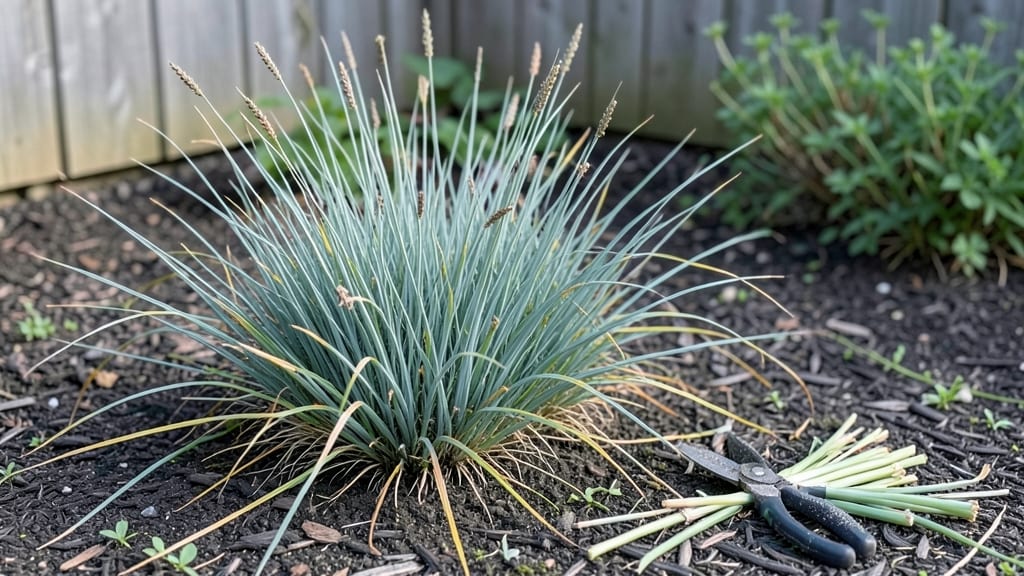
Pruning fountain grass keeps it lush and full all year—without sacrificing next season’s growth. I’ve learned the hard way that cutting too late or too aggressively turns these dramatic plants into bare sticks.
The key is timing: late winter or early spring, just as new shoots start pushing through the soil. This gives you the cleanest shape while preserving the energy stored in those thick, woody stems.
You’ll need just three tools: sharp pruners for clean cuts, hedge shears for shaping, and a glove—because those fronds pack a punch. Start by removing any dead or brown fronds at the base, then step back to assess the shape.
Most fountain grasses need only a light trim to maintain their natural form, but if yours has gotten leggy, cut back one-third of the oldest growth to encourage fresh new shoots. Think of it like giving your plant a haircut—just enough to refresh, not enough to expose the scalp.
After pruning, give your fountain grass a deep drink of water and a light feeding with a balanced fertilizer. The roots will thank you, and within weeks, you’ll see new growth shooting up from the center. The result?
A plant that looks neat and intentional all season long, without the risk of killing it off. Plus, you’ll avoid the heartbreak of seeing your fountain grass turn into a sad, bare stalk by summer.
This method works for all fountain grass varieties—whether you’ve got the classic Pennisetum alopecuroides or a bold Pennisetum ‘Little Bunny’. The same rules apply: prune early, shape gently, and feed afterward.
Once you master it, you’ll wonder why you ever struggled with these showstopper plants. Now go give yours the refresh it deserves!
📚 In This Guide
- What you need
- Instructions
- Tips and common mistakes
- Wrapping up and next steps
What you need
- ○ Pruning shears or hedge clippers: Choose sharp, bypass-style shears (8–12" blades) for clean cuts. Optional: Heavy-duty fuel-powered hedge trimmers for large patches (14–18" cutting width).
- ● Garden gloves: A pair of cut-resistant, breathable gloves (size medium/large) to protect your hands from sharp blades and thorns.
- ● Loppers: Bypass loppers (18–24" handles) for thicker stems or overgrown sections.
- ● Rake or leaf blower: A stiff-bristle rake (12–18" width) or leaf blower to clear debris after pruning.
- ● Pruning saw (if needed): A folding pruning saw for stubborn, woody stems (rare in fountain grass but useful for neglected plants).
- ● Watering can or hose: A light spray nozzle to hydrate the plant post-pruning (1–2 gallons of water).
- ● Knee pads: For comfort if you’re kneeling frequently.
- ● String trimmer (weed whacker): For neatening edges in tight spaces.
- ● Plant food or fertilizer: Balanced, slow-release fertilizer (10-10-10 ratio) to nourish the grass after pruning.
- ● Disinfectant spray: 70% isopropyl alcohol or a bleach solution (1:9 ratio) to sterilize tools and prevent disease.
- ● Measuring tape: To check height consistency if you’re aiming for a uniform look.
Step-by-Step guide to pruning fountain grass for year-round shape
Here’s how I keep fountain grass looking lush without sacrificing its natural growth or health.
Time Your Pruning for Seasonal Growth Cycles
Prune fountain grass in late winter or early spring, just as new growth begins. This is when the plant is waking up from dormancy but hasn’t yet sent up fresh shoots. If you prune too early, you risk cutting back new growth that’s already starting. If you wait too late, you’ll be removing foliage that could have provided winter interest.
Look for tender new shoots emerging at the base—these are your signal to start. Avoid pruning in fall, as the plant needs its foliage to protect the crown through winter. In warmer climates, a light trim in mid-summer can encourage bushiness, but this is optional and only needed if the grass looks overgrown.
Cut Back to the Right Height for Structure
Use sharp, clean pruners or shears to trim the grass back to 6–12 inches from the ground, depending on the variety. Some fountain grasses, like Pennisetum types, can handle a shorter cut, while others like Miscanthus benefit from being left slightly taller. Always leave at least 2–3 inches of stem above the crown to protect the growing point.
Make your cuts at a 45-degree angle just above a node or joint if possible—this encourages new growth to emerge from a stronger position. Avoid cutting into the hard, woody base of the plant, as this can damage the crown. If you’re unsure where the crown is, err on the side of leaving more stem rather than cutting too low.
Thin Out Dead or Crowded Stems for Airflow
While you’re pruning, remove any brown, dry, or dead stems that haven’t regrown by spring. These can harbor pests or diseases and detract from the plant’s neat appearance. Gently pull or cut them out at the base. If the grass has become too dense, thin out 10–20% of the oldest stems to improve airflow and prevent fungal issues.
You’ll notice some stems are thicker and woody, while others are thinner and more flexible. Focus on removing the thicker, older stems first—these are the ones that can crowd out new growth. After thinning, the plant will look more open and allow light to reach the center, which encourages fuller regrowth.
Clean Up Debris and Fertilize for Recovery
After pruning, remove all clippings and debris from the area to prevent pests or disease from lingering. Spread a 2–3 inch layer of mulch around the base of the plant to retain moisture and suppress weeds. This step is especially important in the first few weeks after pruning, as the grass is vulnerable to stress.
Apply a balanced, slow-release fertilizer (like a 10-10-10) in early spring to give the plant the nutrients it needs to bounce back. Water deeply after fertilizing to help the granules break down and reach the roots. You’ll see new shoots emerge within 2–4 weeks if the conditions are right—this is your reward for a job well done.
Monitor and Adjust for Ongoing Shape
Throughout the growing season, check your fountain grass monthly for signs of overgrowth or uneven shape. If it starts to look leggy or one side is growing faster than the other, give it a light trim with hand shears. Avoid heavy pruning in summer, as this can stress the plant and reduce its winter hardiness.
If you notice brown tips or edges, this could be a sign of underwatering or salt buildup from fertilizers. Adjust your watering schedule to keep the soil evenly moist but not soggy, and flush the soil with water occasionally to remove excess salts. With consistent care, your fountain grass will maintain its shape and thrive for years.
Tips & tricks for perfectly pruned fountain grass
These practical insights will help you maintain your fountain grass's natural beauty while avoiding common mistakes that can stress the plant.
The Seasonal Timing Secret: The late winter or early spring timing in Step 1 is crucial because this is when your fountain grass naturally begins its growth cycle. I've learned the hard way that pruning too early can cut off new shoots before they've had a chance to establish, while waiting too late removes the protective winter foliage. In colder climates, wait until after the last frost when you see those first tender shoots pushing through the soil—this is your green light to prune. In warmer regions, that optional mid-summer trim should only happen if the grass looks truly overgrown, as frequent pruning can stress the plant.
Height and Angle Technique: When cutting back to that 6-12 inch range in Step 2, remember that the 45-degree angle isn't just for looks—it creates a natural water runoff path that protects the crown from rot. I always make my cuts just above a node when possible, which encourages new growth to emerge from a stronger position. For varieties like Miscanthus that prefer to be left taller, you'll notice they develop that beautiful cascading effect when left at the upper end of the range. And that 2-3 inch minimum above the crown? It's your safety net—cutting too low risks damaging the growing point permanently.
Thinning Strategy: The 10-20% thinning recommendation in Step 3 might seem arbitrary, but there's actually good science behind it. Removing too many stems at once can shock the plant, while leaving too many creates that crowded effect. I focus on the thicker, older stems first—they're the ones that crowd out new growth and reduce airflow. After thinning, you'll see light penetrate to the center of the plant, which triggers that fuller regrowth we all want. Pro tip: Work in small sections if your fountain grass is large, so you don't accidentally remove more than intended.
Recovery Care: That 2-3 inch layer of mulch in Step 4 isn't just decorative—it's a protective barrier that maintains even moisture and suppresses weeds while your grass recovers. I've found that watering deeply after fertilizing makes all the difference in helping those granules break down and reach the roots. And those 2-4 weeks for new shoots to appear? Be patient—this is when the plant is rebuilding its energy reserves. If you don't see new growth after 4 weeks, it might indicate underlying issues like poor soil or pest problems that need addressing.
Pro Tips for Pruning Fountain Grass
- These practical insights will help you maintain your fountain grass's natural beauty while avoiding common mistakes that can stress the plant.
- The Seasonal Timing Secret: The late winter or early spring timing in Step 1 is crucial because this is when your fountain grass naturally begins its growth cycle.
- Height and Angle Technique: When cutting back to that 6-12 inch range in Step 2, remember that the 45-degree angle isn't just for looks—it creates a natural water runoff path that protects the crown from rot.
Frequently asked questions
Got questions about keeping your fountain grass looking its best? You’re not alone! Here are some common concerns—and their answers—to help you prune like a pro.
When is the best time to prune fountain grass?
Prune fountain grass in late winter or early spring (just before new growth starts) for a clean start. For light shaping, you can trim throughout the year—but avoid heavy cuts in fall, as it may stress the plant before winter.
How much can I cut back without harming the plant?
Never remove more than one-third of the plant’s height in a single pruning. Fountain grass is hardy, but aggressive cuts can weaken it. For a full reset, trim back to 6–12 inches in early spring.
What if my fountain grass looks ragged after pruning?
If your grass looks uneven, trim in layers—start with the outer edges and gradually shape inward. Use sharp pruners or a string trimmer for clean lines. For a natural look, leave some texture!
Can I prune fountain grass in winter?
Light trimming is fine in winter, but avoid heavy cuts—frost or cold can stress the plant. If your grass is dormant, wait until late winter (when temps rise above freezing) to prune.
Are there alternatives to pruning fountain grass?
Yes! If pruning feels tedious, try selective thinning (removing only dead or overgrown sections) or mulching to protect roots. For a low-maintenance look, plant near shrubs to hide occasional overgrowth.
Wrapping up and next steps
Pruning fountain grass doesn’t have to be a daunting task—with the right tools, timing, and techniques, you can keep your landscape lush, healthy, and beautifully shaped year-round! 🌿 Whether you’re tackling it in spring, summer, or winter, consistency is key to preventing overgrowth and maintaining that polished look.
Now that you’re armed with expert tips and answers to common questions, it’s time to roll up your sleeves and get pruning.
Ready to take the next step? Start small: Pick one section of your fountain grass to practice your cuts, then gradually expand. Before you know it, your yard will be the envy of the neighborhood! 🌟