
Pests
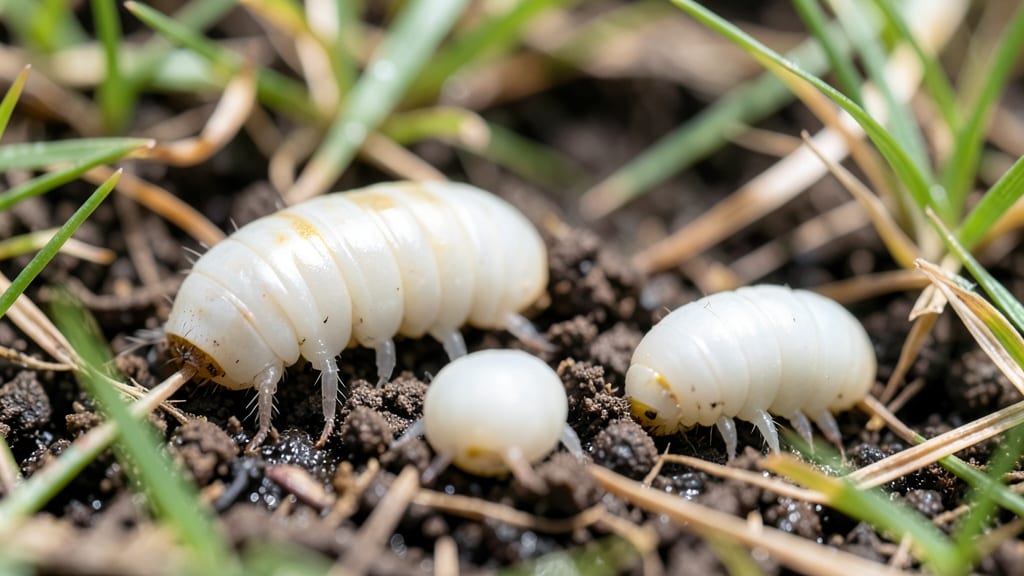
How to get rid of lawn grubs organically when your grass turns into brown patches and pulls up easily? 🌱 The organic solution starts with microscopic allies—beneficial nematodes—that hunt grubs underground without harming your lawn. These tiny worms thrive in moist soil and multiply rapidly when conditions are right. After applying them in the evening (they avoid light), they burrow into grubs within 24 hours, releasing bacteria that kill the pests from the inside out. No harsh chemicals, just nature’s cleanup crew. You’ll see improvement in 2-4 weeks, with healthier grass roots and fewer moles or skunks digging up your yard. The best part? This method prevents future infestations when used as part of a seasonal lawn care routine. Works for all grass types and climates, but timing matters—apply when soil temps are between 55-85°F for maximum effectiveness. Let’s get your lawn back to lush.
Root Causes of Lawn Grubs
Lawn grubs—those C-shaped, creamy-white larvae of beetles—can turn your lush green grass into a patchy, brown mess if left unchecked. But why do they suddenly appear and multiply like crazy? The answer lies in a mix of environmental triggers, natural life cycles, and even human habits.
Understanding these key causes is the first step to stopping an infestation before it starts. Let’s break it down.
Grubs thrive in moist, soft soil—almost like a five-star hotel for larvae. When lawns are overwatered or have poor drainage, the top layer of soil stays damp for extended periods, creating the perfect breeding ground. Here’s why:
- Excess moisture keeps soil loose and easy to burrow, making it harder for predators like birds or beneficial nematodes to reach the grubs.
- Root competition: Overwatering weakens grass roots, stressing the turf and making it more vulnerable to grub damage.
- Fungal growth: Damp conditions can also encourage fungal diseases, which further stress the lawn and attract beetles looking to lay eggs.
Pro tip: 💡 Water deeply but infrequently—aim for 1–1.5 inches per week—to encourage deeper root growth and reduce standing water.
Grubs don’t just appear out of nowhere—they’re the offspring of adult beetles, primarily Japanese beetles, June bugs, and masked chafer beetles. These pests follow a predictable life cycle:
- Spring/summer: Adult beetles emerge, feed on foliage, and mate.
- Late summer/early fall: Females lay eggs (10–60 at a time!) in warm, moist soil, timing them to hatch when conditions are ideal.
- Fall/winter: Grubs feed on roots, growing larger until they pupate in spring.
If you’ve noticed chewed leaves on roses or fruit trees in late summer, that’s your warning: beetles are nearby, and their eggs will soon become grubs in your lawn.
Grubs love warmth, and thick thatch (that spongy layer of dead grass between soil and living blades) acts like an insulator, trapping heat and moisture. Here’s how it helps them:
- Temperature regulation: Thatch keeps the soil warmer longer, speeding up grub development.
- Protection from predators: A thick thatch layer makes it harder for birds, toads, or nematodes to dig down and eat grubs.
- Nutrient buildup: Decomposing thatch provides extra food for growing larvae.
Watch for: 🌡️ If your lawn feels spongy underfoot or has a dark, mat-like layer over the soil, thatch buildup could be inviting grubs.
While grass needs nitrogen to grow, too much can backfire by attracting grubs. Here’s the science:
- Soft, fast growth: High nitrogen promotes tender, new grass shoots—grubs’ favorite snack.
- Beetle magnet: Lush, nitrogen-rich lawns signal to adult beetles that there’s plenty of food for their offspring.
- Weakened defenses: Over-fertilized grass is more stressed and less resilient to pest damage.
Balance is key: ✨ Use slow-release, organic fertilizers (like compost or alfalfa meal) and follow label rates to avoid overfeeding.
Grubs are highly sensitive to weather patterns. Certain conditions create the perfect storm for infestations:
| Factor | How It Helps Grubs |
|---|---|
| 🌞 Warm, dry summers | Encourages adult beetle activity and egg-laying in late summer. |
| 🌧️ Wet falls | Keeps newly hatched grubs hydrated and safe from drying out. |
| 🍂 Leaf litter or mulch | Provides extra insulation and food for grubs in the soil. |
Climate connection: 🌍 Regions with hot summers and wet falls (like the Midwest or Northeast U.S.) see more severe grub outbreaks.
How to Fix Grub Damage Fast
Grubs may feel like a stubborn lawn nemesis, but with the right organic strategies, you can reclaim your yard—without harsh chemicals. Below, we’ve mapped out targeted fixes based on the root cause of your grub problem, plus preventive steps to keep them from returning.
Think of this as your organic pest-control battle plan, broken down into actionable steps.
---
Grubs thrive in soft, moist soil—like a buffet for hungry larvae. If your lawn stays soggy or is compacted (from foot traffic or heavy equipment), grubs will dig in deeper and multiply.
🔧 Fix It: - Adjust watering habits 💧: Water deeply 2–3 times per week (early morning) instead of daily light sprinkles. Aim for 1–1.5 inches per week—enough to encourage deep root growth but not create a swamp. - Aerate your lawn 🌱: Rent a core aerator (or hire a pro) to pull out soil plugs, reducing compaction. Do this in early fall when grubs are most active. - Top-dress with compost 🍄: Spread a ¼-inch layer of compost over the lawn after aerating. This improves drainage, adds beneficial microbes, and makes grubs less comfortable.
💡 Prevention Tip: Test your soil’s drainage by digging a 6-inch hole. If water pools after 30 minutes, amend with sand or organic matter to improve airflow.
---
Lush, healthy grass naturally repels grubs because they prefer weak, easy-to-digest roots. If your lawn is patchy or struggling, grubs will move in like uninvited guests at a potluck.
🔧 Fix It: - Overseed bare spots 🌾: Choose grub-resistant grass varieties like tall fescue or Kentucky bluegrass. Spread seed in early fall (ideal germination temps) and keep soil moist until sprouted. - Fertilize smartly 🌿: Use a low-nitrogen, high-potassium fertilizer (like 5-10-10) to strengthen roots. Grubs hate healthy turf—they’d rather snack on weak plants. - Mow high ⚡: Set your mower to 3–4 inches in summer. Taller grass shades soil, keeping it cooler and less inviting for grubs.
💡 Prevention Tip: Apply compost tea or liquid seaweed fertilizer every 4–6 weeks. These boost plant immunity, making grass less appealing to pests.
---
If you’ve spotted white grubs wriggling in the soil or skunks digging up your lawn, it’s time for organic intervention. The key? Disrupt their life cycle without chemicals.
🔧 Fix It: #### 1. Introduce Beneficial Nematodes (The Grub’s Worst Nightmare) 🦠 These microscopic predators seek out and kill grubs naturally. Here’s how: - Buy nematodes (like Heterorhabditis bacteriophora) from garden centers or online. - Apply at dusk (they’re sensitive to sunlight) using a sprayer with water. - Water lightly after application to help them move into the soil. - Reapply every 4–6 weeks during grub season (spring/fall).
#### 2. Use Milky Spore or Beauveria Bassiana (Fungal Power) 🍄 - Milky spore (Bacillus popilliae) is a bacteria that infects Japanese beetle grubs (common in many lawns).
Spread granules in early summer and water in. - Beauveria bassiana is a fungus that attacks grubs on contact. Mix with water and spray directly onto grub hotspots.
#### 3. Hand-Pick & Drown (For Small Lawns) 🕳️ - Dig up sections of turf (6x6 inches) where grubs are active. - Drop them in soapy water (1 tbsp dish soap per gallon) to drown them. - Replace the turf and water well.
⏰ Timing Matters: Grubs are most vulnerable in late summer/early fall (3rd instar stage). Act now for best results!
--- Grubs lay hundreds of eggs in summer, so disrupt their breeding with these habits: - Encourage natural predators: Birds (like skunks and moles), toads, and ground beetles eat grubs.
Plant native wildflowers to attract them. - Rotate organic treatments: Alternate between nematodes, milky spore, and compost tea to avoid resistance. - Monitor with the "Roll Test" 🌡️: Roll back a small section of turf. If you see white grubs, it’s time to act!
--- 🎯 Pro Tip: Combine nematodes + milky spore for a 1-2 punch against grubs. Reapply both in early fall for seasonal protection.
--- Final Note: Patience is key—organic methods take 4–6 weeks to show full results. But once your lawn is healthy and grubs are gone, you’ll wonder why you ever tolerated them! 🚀
Frequently asked questions
How do I know if my lawn has grubs?
Look for these signs: spongy patches that pull up easily, skunks or moles digging, or birds pecking at the soil. Flip over a small section of turf—if you see white, C-shaped larvae (grubs), that confirms the problem. Check in late summer/early fall when they're most active.
Can I use coffee grounds to kill grubs?
Coffee grounds can help short-term by repelling grubs with their acidity, but they won’t eliminate an infestation. For better results, mix ½ cup coffee grounds with 1 gallon water and spray on hotspots—but combine this with nematodes or milky spore for lasting control.
Are nematodes safe for pets and kids?
Yes! Beneficial nematodes are non-toxic to humans, pets, and plants. They only target grubs and other soil pests. Just avoid applying them when kids or pets are playing on the lawn, and water lightly after application to help them move into the soil.
How long does it take for organic treatments to work?
Most organic methods (like nematodes or milky spore) take 2–4 weeks to show results. For immediate relief, combine treatments: nematodes + hand-picking (for small lawns). Monitor progress by doing the "roll test" every 2 weeks—fewer grubs = healthier lawn!
Will overwatering make grub problems worse?
Grubs love wet, soft soil, so overwatering creates the perfect breeding ground. Fix it by watering deeply 2–3 times per week (early morning) and aerating your lawn to improve drainage. Aim for 1–1.5 inches per week—just enough to keep roots strong without drowning them.