
Plants
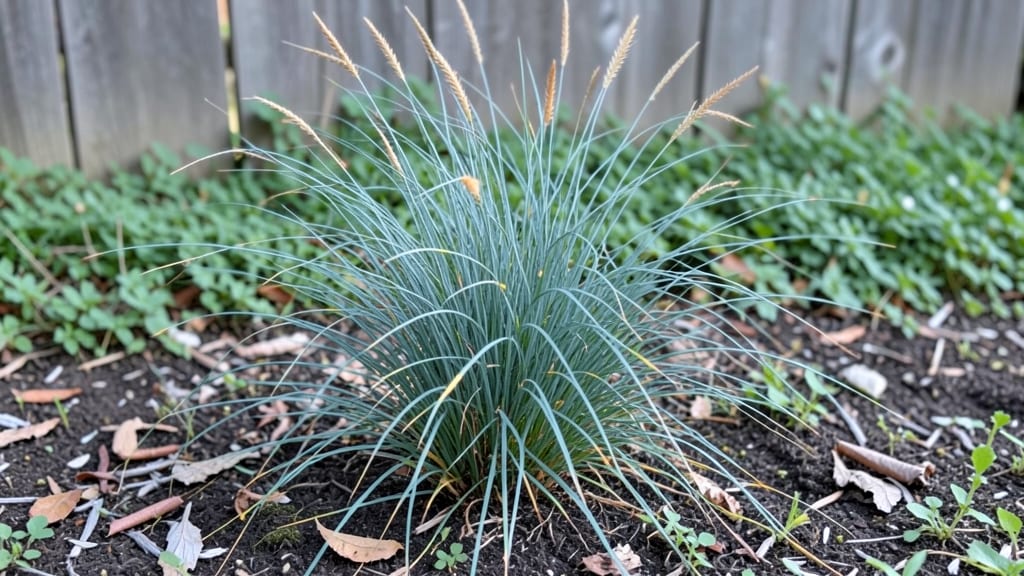
First Knight Napier Grass 🌾 is the game-changer for gardeners sick of patchy, invasive lawns that demand endless mowing and weeding.
Picture this: a lush, dense lawn that stays put, resists weeds, and thrives on half the water and maintenance of traditional grass. That’s exactly what First Knight delivers—clumping growth that spreads only where you want it, making it perfect for modern, low-effort landscapes.
Unlike aggressive grasses that creep into flower beds or require herbicides to control, First Knight stays in its clumps, creating a neat, uniform look with minimal fuss. Whether you’re in USDA Zone 6a or warmer regions, this ornamental grass thrives in full sun and handles drought like a pro.
In this guide, I’ll walk you through everything—from planting in spring (April-May) to pruning, troubleshooting browning, and even how to use it as a striking border or drought-resistant ground cover. Ready to ditch the lawn chores for good?
Why First Knight napier grass stops unwanted spreading naturally
If you've ever struggled with invasive grasses like Bermuda or Zoysia, you know how quickly they can take over your yard. First Knight Napier Grass breaks the mold with its clumping growth habit, designed to stay put while delivering the density and beauty of traditional lawns.
Unlike spreading grasses, it won’t creep into flower beds or overrun your landscape—thanks to its unique genetic structure.
The secret lies in its non-rhizomatous and non-stoloniferous nature. Unlike invasive grasses that spread via underground runners or aboveground stolons, First Knight grows in tight clumps, forming a dense turf without invading neighboring areas. This makes it perfect for defined lawn edges and low-maintenance landscapes.
| Feature | First Knight Napier Grass | Bermuda Grass | Zoysia Grass |
|---|---|---|---|
| Spread Type | Clumping | Rhizomatous | Stoloniferous |
| Root System | Fibrous, deep | Aggressive rhizomes | Stolons + rhizomes |
| Seed Dispersal | None (sterile) | High (invasive) | Moderate |
| Lawn Density | Very dense | Moderate | Moderate |
| Maintenance Level | Low | High | Moderate |
First Knight’s fibrous root system anchors it firmly in place, preventing the underground creep common in Bermuda. Its sterile cultivar means no seeds spread to unwanted areas, unlike traditional grasses that self-seed aggressively. This makes it a landscaper’s dream for contained lawns and ornamental borders.
The clumping habit also means you won’t waste time edging or trimming to contain it. Once established, First Knight forms a thick, uniform turf that resists weeds and recovers quickly from foot traffic. This is a game-changer for busy homeowners who want a lush lawn without the hassle.
Another advantage is its minimal seed production. Unlike grasses like Fescue or Ryegrass, First Knight doesn’t release seeds that can sprout in flower beds or sidewalks. This natural containment is ideal for eco-friendly lawns and low-chemical landscapes.
For drought-prone areas, First Knight’s deep roots access moisture efficiently, reducing water needs while maintaining year-round greenness. Its cold tolerance (USDA Zones 6-10) means it stays green longer than many alternatives, even in cooler climates.
If you’ve ever struggled with invasive grasses, you’ll appreciate how First Knight’s genetic design eliminates the need for chemical barriers or constant mowing. Its clumping nature ensures your lawn stays neat, dense, and contained—without the spread.
For landscape designers, this means cleaner lines and less maintenance when pairing First Knight with perennials or shrubs. No more fighting to keep grass out of flower beds—just a beautiful, low-stress lawn that stays where you plant it.
Whether you're replacing high-maintenance Bermuda or adding a new ornamental grass to your yard, First Knight delivers density, beauty, and control—naturally. No more spreading headaches, just a perfect lawn that stays put.
Planting and maintenance tips for a thick, low-maintenance First Knight lawn
First Knight Napier Grass thrives when planted in well-draining soil with 6+ hours of sunlight daily. Unlike invasive grasses, its clumping growth habit means you won’t battle runners or rhizomes. Start by testing your soil’s pH—aim for a neutral 6.0-7.0 range—and amend with compost if needed.
This variety is drought-tolerant once established, but young plants need consistent moisture to root deeply.
For best results, plant First Knight plugs in spring or early fall, spacing them 18-24 inches apart. Avoid overcrowding, as this grass grows upright and needs room to develop its signature arching plumes.
In USDA Zones 7-10, it handles heat and humidity beautifully, making it perfect for Southern lawns or tropical climates.
- 🌱 Planting: Choose full-sun locations with well-draining soil; amend with compost for fertility.
- 💧 Watering: Deep water 2-3x/week for first 3 months; reduce to weekly once established.
- ✂️ Mowing: Set mower to 3-4 inches tall to encourage density; avoid scalping in summer.
- 🌿 Fertilizing: Apply balanced 10-10-10 in spring and summer; skip fall/winter feedings.
- 🌡️ Seasonal Care: Trim dead fronds in late winter; mulch in cool climates for winter protection.
Watering is critical during the first 90 days—aim for 1-1.5 inches per week, delivered in the early morning to prevent fungal issues.
Once established, First Knight can go 4-6 weeks without rain, thanks to its deep root system. Overwatering is the #1 mistake; soggy soil leads to root rot or yellowing leaves.
Mow your lawn when the grass reaches 4-5 inches tall, never cutting more than 1/3 of the blade height at once. A sharp mower blade prevents ragged edges and stress. In hot climates, raise the mower to 4-5 inches to shade the soil and retain moisture.
This grass stays green year-round in warm zones but may brown in winter in colder areas—simply trim back in early spring.
Weeds are rarely an issue with First Knight because its dense clumping habit crowds them out. If you spot bare patches, overseed with clover or fine fescue in fall. For pests, keep an eye out for chinch bugs or armywormsneem oil if needed.
Unlike invasive grasses, First Knight won’t smother nearby plants, making it ideal for mixed landscapes.
With proper care, your First Knight lawn will thicken within 2 years, requiring no reseeding. Its ornamental plumes add texture year-round, and its low-maintenance nature frees up time for other garden projects.
Once established, it’s one of the toughest grasses for modern lawns—beautiful, resilient, and finally, controllable. 🌿