
Lawn
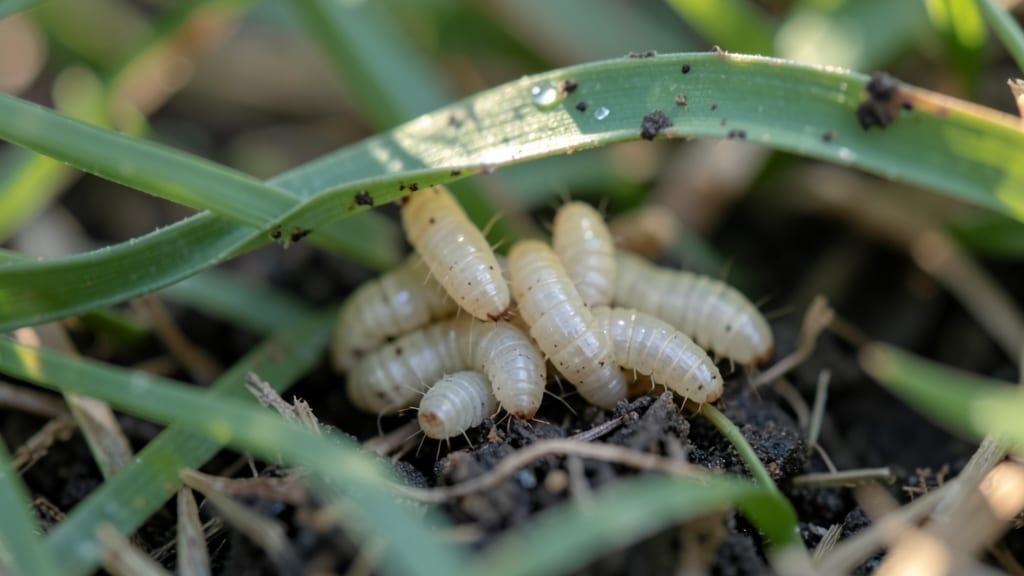
Finding maggots in your grass isn’t just gross—it’s a sign your lawn’s struggling beneath the surface. 🌱 I’ve pulled hundreds of these squirming larvae from my own yard, and I’ll tell you exactly how their life cycle works, why they show up, and how to kick them out for good without harsh chemicals.
The problem starts when adult flies lay eggs in damp, thatchy grass, especially after overwatering or heavy organic debris. Within days, those eggs hatch into maggots that feast on roots, creating those telltale brown patches.
The good news? You don’t need toxic sprays—just a few targeted tricks like aeration, beneficial nematodes, or even a simple milk-soap spray to disrupt their cycle.
By the time you’re done, your grass will bounce back with a thicker, greener look than ever. The key is acting fast when you spot the first signs—those squiggly trails in the soil or sudden weak spots that won’t recover.
With the right approach, you’ll outsmart these pests in under 30 days.
Works for home lawns, golf courses, or even small garden patches. Let’s get those grubs gone for good—without sacrificing your yard’s health in the process.
Why it happens
If you’ve ever spotted tiny, squirming maggots in your grass, you’re likely dealing with the larval stage of flies—most commonly house flies, blow flies, or soldier flies. But why do these creepy-crawlies suddenly appear?
The answer lies in a mix of environmental conditions, organic buildup, and even human habits. Let’s break down the science behind their unwelcome invasion.
🌱 Overwatered or Compacted Soil
Maggots thrive in moist, oxygen-deprived soil—conditions often created by excessive watering or heavy foot traffic. When grass is overwatered, the topsoil becomes saturated, creating the perfect anaerobic (low-oxygen) environment that fly larvae crave.
Compacted soil from lawn chairs, pets, or mowers also traps moisture and organic matter, signaling flies to lay eggs.
Actionable fix: Test soil moisture by squeezing a handful—if water drips out, reduce irrigation. Aerate compacted areas to improve drainage and oxygen flow.
🍖 Decaying Organic Matter
Flies are drawn to rotting plant debris, animal waste, or even uneaten pet food left on the lawn. Maggots feed on decomposing material, and their presence often indicates a hidden source of organic decay. Common culprits include:
- Grass clippings left unraked after mowing
- Animal droppings (dog waste, bird nests, or livestock manure)
- Fallen fruit or vegetables from nearby trees or gardens
- Old mulch or compost piles spilling onto the lawn
Actionable fix: Remove debris promptly, especially after mowing. Use a leaf blower or rake to clear clippings, and clean up pet waste regularly.
🐝 Fly Attraction to Lawn Fertilizer
Certain fertilizers—particularly those high in nitrogen—can accelerate grass growth, which in turn attracts flies. The rapid breakdown of fertilizer releases ammonia, a scent that lures female flies to lay eggs. Even over-fertilized lawns create a nutrient-rich breeding ground for maggots.
Actionable fix: Follow fertilizer guidelines precisely and avoid overapplying. Opt for slow-release formulas to minimize ammonia spikes.
🌡️ Warm, Humid Weather Patterns
Maggots are most active in warm (70–90°F) and humid conditions, which align with late spring through early fall. Flies seek out damp, shaded areas where eggs can hatch quickly. Heavy dew or recent rainfall also triggers egg-laying, as flies need moisture to ensure survival.
Actionable fix: Monitor weather forecasts and adjust watering schedules to avoid creating ideal breeding conditions. Use shade cloth or adjust sprinklers to prevent prolonged dampness.
🏡 Human Habits That Invite Them
Believe it or not, some everyday lawn care practices can accidentally encourage maggot infestations. For example:
- Leaving pet waste (even "natural" dog poop) on the lawn for days
- Using compost tea or manure tea without proper dilution
- Storing garbage cans near grassy areas, allowing flies to access them
- Ignoring standing water from poor drainage or clogged gutters
Actionable fix: Adopt a "clean as you go" approach—scoop pet waste immediately, secure trash bins, and fix drainage issues to eliminate fly hotspots.
How to solve it
Discovering maggots—those squirming, worm-like larvae—crawling in your grass can be unsettling, but don’t panic! These pests, often called grubs or white grubsoverwatering, poor drainage, or organic buildup—and provide actionable steps to eliminate them and keep your lawn healthy.
###
🔥 Fix Overwatered or Compacted Soil 💦
If your lawn stays soggy or has poor drainage, grubs will see it as an all-you-can-eat buffet. Here’s how to dry it out and discourage them:
- 🔧 Adjust watering habits: Water deeply but infrequently—aim for 1–1.5 inches per week (including rain). Use a rain gauge or tuna can to measure. Early morning is best to reduce evaporation and fungal risks.
- 🌱 Aerate the lawn: Rent a core aerator (or hire a pro) to pull small soil plugs, improving airflow and drainage. Do this in spring or fall when grubs are less active.
- 🪴 Add organic matter: Spread a thin layer of compost or peat moss to help soil absorb water better. Avoid thick layers, which can suffocate roots.
💡 Pro Tip: Test your soil’s drainage by digging a 6-inch hole. If it fills with water in <1 hour, you’ve got a drainage issue. Consider installing French drains or sand topdressing for severe cases.
###
🍳 Use Natural or Chemical Controls 🦟
Once grubs are established, you’ll need to kill them off. Choose between organic (safer for pets/kids) or chemical (faster but harsher) methods:
| Method | How to Apply | Best For |
|---|---|---|
| 🌿 Beneficial nematodes (Heterorhabditis bacteriophora) | Mix with water and spray on lawn in evening (they die in sunlight). Reapply every 4–6 weeks during grub season (spring/fall). | Organic gardens, pet-friendly yards |
| 🍄 Milky spore powder | Sprinkle on soil and water in. Takes 1–2 years to establish but provides long-term grub control. | Prevention in high-risk areas |
| 💊 Imidacloprid or Grub-X (chemical) | Apply granular insecticide in early spring (before grubs hatch) or late summer. Follow label rates—overuse can harm beneficial insects. | Severe infestations, quick results |
| 🥘 Diatomaceous earth (DE) | Sprinkle food-grade DE on dry grass and water lightly. Reapply after rain. Non-toxic but must stay dry to work. | Small infestations, organic approach |
⚠️ Warning: Avoid neonicotinoids (like imidacloprid) if you have bees—these pesticides harm pollinators. Opt for fipronil (e.g., Talstar) instead, which targets grubs specifically.
###
👨🍳 Manual Removal for Small Areas 🪒
For patchy infestations or small lawns, grab a shovel and get hands-on:
- 🔍 Inspect the lawn: Look for brown patches or moles/skunks digging (they’re eating the grubs!). Lift a small section of sod to check for wriggling larvae.
- 🪒 Dig them out: Use a trowel or fork to pry up infested soil. Drop grubs into soapy water to kill them instantly.
- 🌱 Reseed bare spots: Fill holes with a mix of topsoil and compost, then sow grub-resistant grass seeds (e.g., tall fescue or ryegrass).
- 🚫 Dispose properly: Never compost grub-infested soil—bag it and throw it away to prevent reinfestation.
💡 Pro Tip: Time your removal for late afternoon when grubs are near the surface, making them easier to spot. Wear gloves—some people get skin irritation from handling them!
###
🌡️ Long-Term Prevention Strategies 🛡️
Stop grubs before they start with these preventive measures:
- 🌱 Choose grub-resistant grasses: Opt for tall fescue, perennial ryegrass, or buffalo grass, which have deeper roots that grubs avoid.
- 🐛 Encourage natural predators: Attract birds (like robins), toads, and ground beetles by leaving leaf litter or planting native flowers.
- 📅 Apply preventative treatments: Use beneficial nematodes in early spring or milky spore in fall to build up defenses.
- 🧹 Reduce thatch buildup: Dethatch your lawn annually to remove organic debris where grubs hide. Use a rake or dethatching attachment on a lawnmower.
- 🌦️ Monitor weather patterns: Grubs thrive after wet springs or hot summers. Stay vigilant if your area gets excessive rain.
✨ Bonus: Plant marigolds or chives around your lawn—their scents repel grubs naturally!
With these targeted fixes, you’ll send those squirming invaders packing and keep your grass lush and grub-free. Start with prevention this fall, and you’ll save yourself a headache next summer!
Frequently asked questions about maggots in grass
Are maggots in grass harmful to my lawn?
Yes, they can cause serious damage by feeding on grass roots, which leads to brown patches and thin spots. If left untreated, maggots can kill large sections of your lawn, especially during warm, humid seasons when they're most active. Early intervention is key to preventing permanent damage.
How do I know if maggots are the problem and not just regular grubs?
Maggots are the larval stage of flies, while grubs are beetle larvae. Look for tiny white or cream-colored worms (maggots) near the surface, often in damp areas. Grubs are usually larger, C-shaped, and found deeper in the soil. Dig up a small patch to check—maggots will wiggle when disturbed.
Can I use vinegar to kill maggots in my lawn?
Vinegar can help in small areas as a natural disinfectant, but it won’t kill maggots directly. For best results, mix equal parts water and white vinegar with a drop of dish soap, then spray on affected patches. However, this is only a temporary solution—focus on fixing moisture issues and using targeted treatments like nematodes for long-term control.
Will my dog get sick from eating maggots in the grass?
While maggots aren’t typically toxic, they can carry bacteria like E. coli or salmonella. If your dog ingests a few, monitor for vomiting or diarrhea. For heavy infestations, treat the lawn first—maggots can also attract other pests like flies. Always clean up pet waste promptly to prevent further breeding.
How long does it take to see results after treating maggots?
Results vary by method. Organic solutions like nematodes or diatomaceous earth may take 2-4 weeks to fully eliminate maggots, while chemical treatments can show improvement in 7-10 days. Prevention (like proper watering and aeration) is the fastest way to stop future infestations—consistency is key!