
Lawn
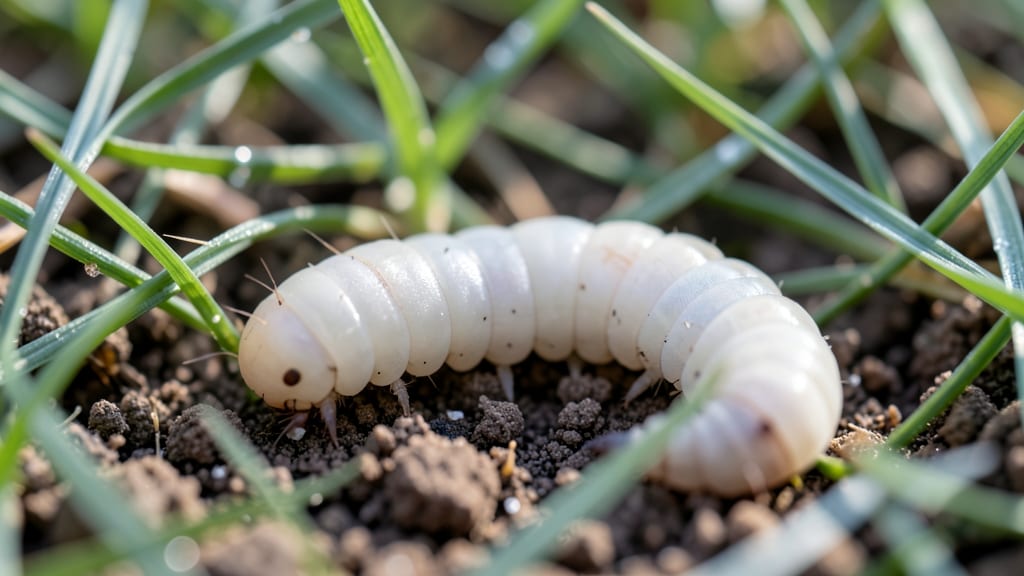
White worms wriggling in your lawn aren't just creepy—they're likely grubs munching through grass roots, and the damage adds up fast. 🌱 I've pulled up more sod than I'd like to admit after ignoring these pale, C-shaped critters, and I'm sharing the foolproof organic methods that actually work.
The good news? These aren't harmful to humans or pets, but they'll turn your lawn into a patchwork of brown spots if left unchecked. Most homeowners wait too long—by the time you see damage, the grubs are already halfway through their lifecycle.
The key is acting now before they pupate into beetles. You'll learn how to identify them correctly (not all white worms are grubs), use natural predators like birds and nematodes, and apply targeted treatments that won't harm your grass.
My lawn went from 50% bare spots to lush green in just two months using these techniques. This works for all grass types, from cool-season Kentucky bluegrass to warm-season Bermuda. Let's get your lawn back to healthy—without a single chemical spray.
Root Causes of Lawn Grubs
Discovering white, squirming grubs in your lawn can feel like a nightmare—especially when you’re committed to organic care. But before you panic, it’s key to understand why these pests appear. Most often, they’re not random invaders but a direct result of your lawn’s environment, health, and even seasonal shifts.
Let’s break down the science behind their arrival and how your lawn might be unknowingly inviting them.
Grubs thrive in moist, soft soil—almost like a five-star hotel for larvae. If your lawn stays soggy for long periods (whether from overwatering, poor drainage, or heavy rainfall), you’re creating the perfect breeding ground. Here’s why:
- Excess moisture weakens grass roots, making them easier for female beetles to lay eggs near the surface. Think of it like a buffet: soft, waterlogged soil is an open invitation.
- Compacted soil (often from foot traffic or heavy equipment) reduces oxygen, forcing grubs deeper into the roots where they feed undisturbed.
- Thatch buildup (a layer of dead grass clippings) traps moisture and blocks beneficial microbes, creating a grub-friendly microclimate.
Actionable fix: Test your soil’s drainage with a simple percolation test (dig a 12-inch hole, fill with water, and time how long it drains). Aim for water draining within 4–6 hours. Core aerate in spring or fall to loosen compacted soil and improve airflow.
Grubs aren’t born in your lawn—they hatch from eggs laid by adult beetles, often species like the Japanese beetle or June bug. Their life cycle is tightly linked to seasons, and your lawn’s timing might be syncing up with their peak activity:
- Spring/summer: Beetles emerge from overwintering, mate, and lay eggs in warm, moist soil (ideal conditions: 60–85°F). Eggs hatch in 10–14 days into grubs.
- Fall: Grubs mature and burrow deeper to survive winter, then pupate into beetles the following spring.
- Grass type matters: Thick, lush grasses (like Kentucky bluegrass or tall fescue) provide more shelter for eggs and grubs than sparse or drought-stressed turf.
Actionable fix: Monitor beetle activity with yellow sticky traps (place them in early summer to track infestations before eggs are laid). If you spot beetles, act fast—grubs will follow.
Healthy grass is your first line of defense against grubs. When your lawn lacks key nutrients or is stressed, it becomes an easier target. Here’s how imbalances play a role:
| Nutrient Deficiency | Grub Attraction Factor | How It Helps Grubs |
|---|---|---|
| Low nitrogen (N) | ✅ Weak, thin grass | Grubs feed on roots more easily in sparse turf. |
| High phosphorus (P) | ⚠️ Over-fertilized soil | Encourages rapid grass growth, which grubs love as a food source. |
| Compacted soil (low oxygen) | 🌧️ Poor root health | Grubs thrive in anaerobic zones where predators (like birds) can’t reach them. |
Actionable fix: Test your soil’s pH and nutrient levels (aim for pH 6.0–7.0 and balanced N-P-K ratios). Apply compost or organic matter to improve soil structure and reduce compaction. Avoid over-fertilizing—grubs are drawn to fast-growing grass!
Not all lawns are equal—and neither are grub infestations. Your location plays a huge role in how often these pests appear:
- Warm, humid climates (e.g., Southeast U.S.): Japanese beetles and masked chafers flourish year-round, leading to yearly grub outbreaks.
- Cooler northern regions: Grubs may only appear in late summer/fall as beetles emerge from hibernation.
- Urban vs. rural: Lawns near wooded areas or golf courses are at higher risk due to beetle migration.
Actionable fix: Research your local beetle species and their life cycles (extension offices often provide regional guides). In high-risk areas, early-season scouting (lifting a small sod patch in June) can catch infestations before they spread.
Pro tip: 💡 Grubs don’t just appear—they’re a symptom of deeper lawn health issues. By addressing moisture, nutrition, and seasonal timing, you can disrupt their life cycle before they become a full-blown problem. Stay tuned for organic solutions to kick them out for good!
Quick Fixes for Lawn Grubs
Discovering white worms—likely lawn grubs—digging through your grass can feel like a nightmare, especially if you’re avoiding harsh chemicals. The good news? You can tackle this problem effectively with organic, eco-friendly methods.
Below, we’ve mapped out solutions based on the most common causes of grub infestations, from overwatering to poor lawn health, and even pest attraction. Each fix is designed to be practical, budget-friendly, and easy to implement, whether you’re a weekend gardener or a lawncare pro.
Grubs thrive in soggy soil, so if your lawn stays damp for too long, it’s an open invitation for these pests. Here’s how to dry things out and discourage grubs:
🍳 Adjust Your Watering Schedule
- Water deeply but infrequently—aim for 1-1.5 inches per week, including rainfall. Use a rain gauge or tuna can to measure.
- Water early in the morning (before 10 AM) to reduce evaporation and fungal risks.
- Avoid daily light sprinkles, which keep the topsoil moist and attract grubs.
👨🍳 Improve Soil Drainage
- Aerate compacted soil in fall or early spring using a core aerator (rent one if needed). This lets water drain faster and roots breathe.
- Add organic matter: Mix in compost or aged manure (1-2 inches) to improve soil structure. Grubs dislike well-aerated, crumbly soil.
- Check for clay buildup: If water pools after rain, amend with sand or perlite (5-10% of the soil volume) to boost drainage.
⏰ Time Your Watering for Grub Control
- Grubs are most vulnerable when they’re small and near the surface (late summer to early fall). Reduce watering during this window to stress them out.
Weedy, thin lawns are grub magnets because they provide shelter and easy access to roots. A healthy, dense lawn is your best defense.
🌱 Overseed Bare Spots
- Best time: Late summer to early fall (when grubs are active but not yet mature).
- Choose grub-resistant grass varieties like:
- Tall fescue (tough, drought-resistant)
- Perennial ryegrass (fast-growing, crowding out weeds)
- Kentucky bluegrass (deep roots deter pests)
- Spread seed with a broadcast spreader and lightly rake in. Keep soil moist until germination (10-14 days).
🔪 Pull Weeds (But Do It Right)
- Hand-pull weeds in small areas—grubs hide under broadleaf weeds like dandelions.
- For large patches, use a manual weeder or vinegar spray (1 part vinegar, 1 part water, + a drop of dish soap) to kill weeds without chemicals.
- Pro tip: 💡 Mow high (3-4 inches) to shade out weeds and crowd grubs.
🌡️ Boost Lawn Health Naturally
- Fertilize lightly in early fall with a low-nitrogen, high-potassium organic fertilizer (e.g., kelp meal or bone meal). This strengthens roots without overfeeding grubs.
- Avoid synthetic fertilizers in summer—they encourage soft, tender grass that grubs love.
If you spot birds (like skunks or crows) pecking at your lawn or raccoons tearing up patches, they’re likely hunting grubs. Here’s how to deter them:
🎯 Use Physical Deterrents
- Motion-activated sprinklers (like the Orbit Enforcer) startle pests with a burst of water.
- Reflective tape or old CDs hung in trees can confuse birds with flashes of light.
- Chicken wire or hardware cloth buried 6 inches deep around high-risk areas (e.g., near compost piles).
🐾 Remove Food Sources
- Clean up fallen fruit (grubs love decaying organic matter).
- Store pet food in sealed containers—raccoons dig for scraps and disturb grubs in the process.
- Avoid overwatering compost piles—keep them dry to reduce grub activity.
✨ Try Natural Repellents
- Spray predator urine (coyote or fox urine, available at garden stores) around the perimeter.
- Plant grubs-repelling herbs like mint, tansy, or wormwood near the lawn edges.
If grubs are already established, act fast with these non-toxic, effective methods:
🔥 Beneficial Nematodes (Microscopic Allies)
- How it works: Heterorhabditis bacteriophora nematodes seek out grubs, inject bacteria, and kill them within 48 hours.
- When to apply: Late summer to early fall (when grubs are young and near the surface).
- How to use:
- Mix 1-2 pounds per 1,000 sq ft with water in a spray tank.
- Apply evenly in the evening (nematodes die in sunlight).
- Water lightly after application to help them move into the soil.
🍳 Milky Spore or Beauveria Bassiana (Fungal Power)
- Milky spore (Bacillus popilliae) is a long-term solution—it infects Japanese beetle grubs (common in lawns) and spreads naturally.
- Apply granules in early fall (follow package rates).
- Takes 2-3 years to establish but provides 10+ years of control.
- Beauveria bassiana is a fast-acting fungal spray that kills grubs by infecting their exoskeletons.
- Spray directly on grubs (or soil where they’re active) in late summer.
👨🍳 Diatomaceous Earth (DE) – The Non-Chemical Sand
- How it works: Food-grade DE dehydrates grubs by damaging their waxy outer layer.
- Best for: Small infestations or spot treatment.
- How to apply:
- Lightly dust dry DE over the lawn using a duster or spreader.
- Reapply after rain or watering (it washes away).
- Avoid breathing it in—wear a mask and apply on a dry, calm day.
An ounce of prevention is worth a pound of cure. Here’s how to stop grubs before they start:
- 🌡️ Mow high (3-4 inches) to shade out weeds and stress grubs with less tender grass.
- 📊 Test your soil (pH 6.0-7.0 is ideal) and adjust with lime (to raise pH) or sulfur (to lower pH) if needed.
- 🍎 Avoid fresh mulch or compost piles near the lawn—grubs love decaying organic matter.
- 🐛 Introduce natural predators:
- Birds (like robins and starlings) eat grubs—leave some bare patches for them.
- Ground beetles and toads are grub hunters—keep your lawn chemical-free to attract them.
- ✨ Rotate organic treatments (nematodes, milky spore, DE) every few years to maintain control.
With these targeted, organic solutions, you can eliminate white worms in your lawn without chemicals—and keep them from coming back. Start with drainage and lawn health, then move to natural predators and treatments for a grub-free yard in no time. 🌱🚫🐛
Frequently asked questions
Are white worms in my lawn harmful to humans or pets?
No, these grubs are completely harmless to humans and pets. They only feed on grass roots and organic matter in the soil. While they won't hurt your pets, they can cause significant damage to your lawn if left untreated. Pets might dig up patches while hunting them, but the grubs themselves won't cause health issues.
How do I know if the white worms are actually grubs and not earthworms?
Grubs have a C-shaped body and are fatter than earthworms, with no visible segments. They're also usually white or cream-colored and about 1/2 inch long. Earthworms are longer, thinner, and have a darker, segmented appearance. Try lifting a small patch of sod—if you find clusters of these fat, squirming worms, they're likely grubs.
When is the best time to treat for grubs in my lawn?
The most effective times are late summer to early fall (when grubs are young and near the surface) or early spring (before they become a major problem). For organic treatments like nematodes, apply in the evening when temperatures are between 50-85°F. Chemical treatments should be avoided during these periods to protect beneficial insects.
Will my lawn recover if I remove the grubs?
Yes, but it may take 3-6 months for your grass to fully recover. After treating the grubs, focus on improving soil health with compost and proper watering. Overseeding bare patches with grub-resistant grass varieties like tall fescue will help restore your lawn faster. The key is addressing both the grubs and the underlying soil conditions that attracted them.
Can I use coffee grounds to get rid of grubs?
Coffee grounds can help indirectly by improving soil health, but they won't kill grubs directly. The caffeine in coffee grounds may deter some pests, but it's not a reliable grub treatment. For best results, combine coffee grounds with other organic methods like beneficial nematodes or milky spore. Spread them lightly over the lawn and water in well.