
Lawn
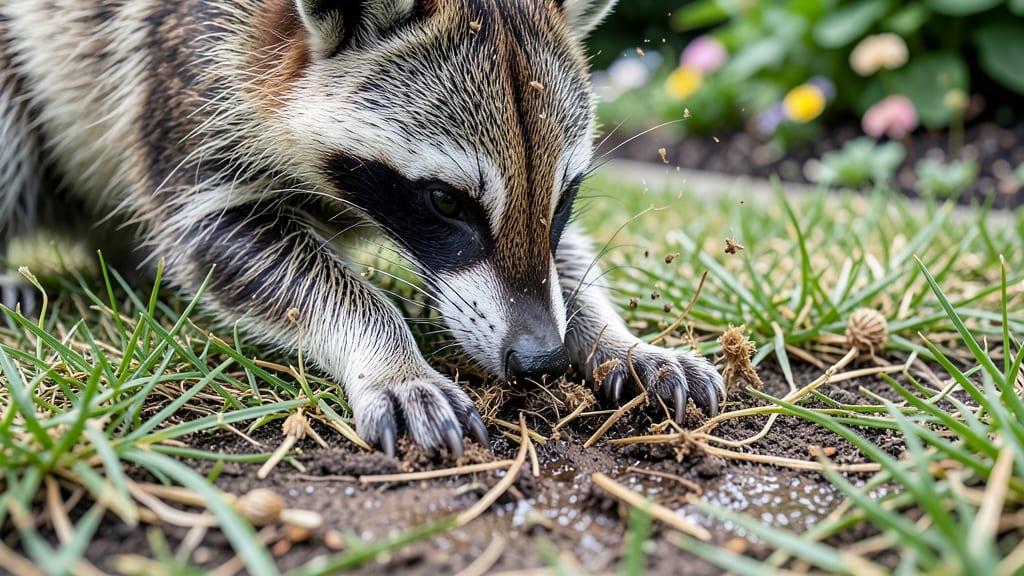
Raccoons tearing up lawns isn't just messy—it's a midnight buffet that leaves your yard looking like a crime scene. 🌿 I've spent years testing humane solutions after my first raccoon raid turned my carefully mowed lawn into a muddy mess, and I've finally found what works without traps or harm.
The key is making your yard less appealing than the woods next door. Raccoons love easy meals, so removing food sources (like fallen fruit or pet food) cuts their motivation.
A simple motion-activated sprinkler or even aluminum pie pans hung from trees creates enough noise to scare them off without cruelty. You'll see results within a week as raccoons move on to easier targets. The best part?
These methods protect your lawn long-term while keeping wildlife safe—no more waking up to trampled grass and overturned mulch. Works for suburban yards, urban backyards, and even rural properties. Let's reclaim your lawn the right way.
The Hidden Triggers Behind Lawn Destruction
Raccoons may look like mischievous bandits with their masked faces and nimble paws, but their lawn-raiding behavior is rarely random. Understanding the root causes of their digging, scratching, and uprooting helps you address the problem at its source—without resorting to cruel or ineffective tactics.
Here’s why your yard becomes a raccoon buffet or playground, backed by science and animal behavior.
Raccoons are omnivorous opportunists, and your lawn might be hiding more than just grass. Their keen sense of smell and dexterous front paws make them expert foragers. If they’re tearing up your lawn, they’re likely after:
- Buried trash or food scraps: Even small crumbs, fallen fruit, or uneaten pet food can lure them in. Raccoons have been known to dig up yards in search of half-buried takeout containers or compost piles.
- Insects and grubs**: Lawns with healthy soil often teem with beetle larvae, worms, and other critters—prime raccoon snacks. A single raccoon can consume thousands of insects in one night, making your lawn a smorgasbord.
- Pet food left outside: Even if your dog’s bowl is empty, raccoons may dig near the area, hoping for leftovers or attracted by the scent.
💡 Pro Tip: Inspect your lawn for freshly disturbed soil or small holes (often 3–6 inches deep) near sidewalks, flower beds, or under decks—these are classic raccoon foraging spots.
Raccoons are solitary but territorial, and they need safe, secluded spaces to raise their young. If your lawn offers:
- Dense ground cover or thick mulch: These provide perfect hiding spots for mothers teaching their kits (baby raccoons) to forage.
- Undisturbed corners or sheds: Overgrown bushes, woodpiles, or even a loose tarp can become nesting sites. A single female raccoon may have 3–5 kits per litter, and all that digging is practice for survival.
- Proximity to water: If your yard has a birdbath, pet water bowl, or even a shallow drainage ditch, raccoons may dig nearby to create a secondary water source for their family.
🔥 Key Sign: Look for shallow, wide depressions (not deep holes) near structures or water sources—these are often nesting preparation zones.
Raccoons are highly intelligent and curious, with problem-solving skills rivaling some primates. Your lawn might be their:
- Personal playground: Digging, scratching, and overturning objects are ways raccoons exercise their dexterity and relieve boredom—especially in urban or suburban areas with limited wild spaces.
- Scent-marking territory: Raccoons have sweat glands in their paws and use digging to spread their scent, warning rivals to stay away. A freshly torn-up patch of grass? It might be their way of saying, “This is mine!”
- Tool-testing ground: Raccoons use sticks, rocks, and even their own paws as tools. If they’re flipping over flower pots or digging near your garden, they’re likely practicing for future challenges.
🎯 Fun Fact: Raccoons raised in captivity still dig and forage even when food is provided—it’s a hardwired behavior, not just hunger.
Raccoon activity isn’t constant—it spikes during specific times of year:
| Season | Why It Happens | What They’re After |
|---|---|---|
| 🍂 Fall | Raccoons bulk up for winter, increasing foraging. Mating season (late fall) also drives them to seek food for energy. | Grubs, fallen fruits, and stored human food (like birdseed or pet food). |
| ❄️ Winter | Snow covers natural food sources, forcing raccoons to dig deeper for grubs or raid trash. | Buried food, compost piles, and any accessible garbage. |
| 🐣 Spring | Mothers teach kits to forage, leading to more frequent and destructive digging. | Insects, worms, and easy-to-access food (like open trash cans). |
| ☀️ Summer | Hot weather drives raccoons to seek shade and moisture, increasing nighttime activity. | Water sources (like pet bowls) and cool, damp soil (where insects hide). |
⏰ Night Owl Behavior: Raccoons are nocturnal, so daytime digging is a red flag—they might be suffering from habitat loss and foraging earlier to avoid predators.
Now that you know why raccoons are turning your lawn into a construction site, the next step is humane deterrents that address these root causes—without harming the animals. Stay tuned!
Stop Raccoons from Ruining Your Yard
Now that you understand why raccoons are digging up your lawn—whether it’s for food, nesting, or mischief—it’s time to take action. The good news? You don’t need harsh traps or toxic baits to keep these clever critters away.
Instead, focus on humane, practical solutions that address their needs while protecting your property. Below, we’ll match common raccoon behaviors to the best fixes, plus prevention tips to keep your lawn intact.
Raccoons are opportunistic foragers, and if your trash, compost, or pet food is easily accessible, they’ll keep returning. Eliminate the incentive with these steps:
- 🗑️ Secure Your Trash Use bear-proof or raccoon-resistant bins with locking lids. Place bins on concrete slabs (not grass) to deter digging.
Take out trash the night before pickup to avoid overnight raids. - Pro Tip: 💡 Sprinkle coarse salt or cayenne pepper around trash cans—raccoons hate the taste and smell!
- 🍽️ Protect Pet Food & Bird Feeders Store pet food indoors or in metal feeders with tight lids. Elevate bird feeders at least 10 feet high and place them near your house (raccoons avoid open spaces). Clean up spilled seeds immediately.
- 🌱 Cover Compost Piles If you compost, use a secure, enclosed bin with a locking lid. Avoid adding meat, dairy, or greasy foods—stick to plant scraps and yard waste only.
Raccoons dig up lawns for nesting material (like grass and roots) or to create hidden dens. Make your yard less appealing:
- 🪴 Trim Overgrown Vegetation Raccoons love dense shrubs, tall grass, and woodpiles. Keep your yard well-maintained and remove debris piles (like leaves or brush). Store firewood elevated and covered.
- 🛠️ Install Physical Barriers If raccoons are digging near foundation plants, garden beds, or patios, install chicken wire or hardware cloth (buried 12 inches deep and extending 12 inches above ground).
Bend the top inward to prevent climbing. - Pro Tip: 🔥 For newly planted areas, lay landscape fabric before adding mulch or soil—raccoons can’t dig through it!
- 🌙 Use Motion-Activated Lights Raccoons are nocturnal and dislike bright lights. Install solar-powered motion lights near entry points (garages, sheds, or frequently dug areas). The sudden flash will startle them away.
If raccoons are already causing damage, scare them off without harm using these non-lethal methods:
- 🎵 Noise & Sound Deterrents Raccoons are sensitive to loud, unpredictable noises.
Try: - Wind chimes or aluminum pie pans hung near problem areas. - Motion-activated sprinklers (like ScareCrow) that spray water when they approach. - A radio tuned to talk stations (leave it on low near entry points).
- 🌿 Natural Repellents Raccoons hate strong smells. Spray hot pepper spray (mix cayenne pepper + water) or ammonia-soaked rags around digging spots. Reapply every few days or after rain.
- Pro Tip: 🌡️ Predator urine (coyote or fox) can also work—sprinkle it lightly near problem areas.
- 🐕 Let a Dog Do the Job A barking dog (even a small one) is one of the best raccoon deterrents. If you don’t have a pet, try a fake guard dog sign—raccoons will think twice before investigating.
If raccoons have already found a way in (like through chimneys, vents, or attics), seal entry points to keep them out:
- 🔧 Chimney & Vent Caps Install 1/4-inch mesh hardware cloth over chimneys and vents. Raccoons can squeeze through tiny gaps—no opening should be larger than a quarter!
- 🚪 Secure Garages & Sheds Check for gaps in doors, windows, or roof vents. Install door sweeps and weather stripping. For roof vents, use raccoon-proof baffles.
- 🌳 Trim Tree Branches Raccoons use trees to climb onto roofs or decks. Trim branches at least 8 feet from your home to eliminate easy access.
Once you’ve addressed the immediate problem, keep raccoons away for good with these habits:
✅ Regularly inspect your property for new digging spots or entry points. ✅ Remove standing water (raccoons love to drink and bathe). ✅ Avoid feeding wildlife—even "harmless" feeding attracts raccoons. ✅ Keep your lawn mowed—short grass is less appealing for nesting. ✅ Use a combination of methods (e.g., barriers + repellents + noise) for best results.
Final Thought: 🎯 Raccoons are smart, but they’re also easily deterred when their needs aren’t being met. By removing food sources, blocking access, and using humane scare tactics, you can enjoy a raccoon-free lawn without cruelty.
Start with one or two fixes, monitor the results, and adjust as needed—your yard (and your sanity) will thank you!
Frequently asked questions
What are the most obvious signs raccoons are tearing up my lawn?
Look for freshly disturbed soil with 3-6 inch deep holes (often near sidewalks or mulch beds) and scattered grass clumps. You may also spot overturned flower pots, scattered pet food, or muddy paw prints near digging sites. Check for shallow, wide depressions - these are classic raccoon nesting preparations.
Will motion-activated sprinklers really scare raccoons away?
Raccoons hate sudden water surprises. A motion-activated sprinkler like ScareCrow creates an unpleasant shock when they approach, training them to avoid your yard. Place units near problem areas and expect to see results within 3-5 nights. The key is consistency - raccoons learn quickly when consequences are immediate.
Can I use predator urine to keep raccoons away from my lawn?
Yes, but use coyote or fox urine specifically - raccoons have a natural fear of their predators. Apply it lightly around digging sites and reapply every 3-5 days or after rain. The scent should be subtle but noticeable. For best results, combine with other deterrents like noise makers or barriers.
How do I know if raccoons are nesting in my yard?
Look for shallow, wide depressions (not deep holes) near dense vegetation, sheds, or under decks. You may also hear chattering or scratching noises at night, especially during spring when mothers teach their kits. Check for freshly disturbed mulch or leaf piles - these are common nesting materials.
Are there any plants that naturally repel raccoons?
While no plant completely repels raccoons, their strong smells can help. Try planting daffodils, marigolds, or castor beans around problem areas. Raccoons dislike these scents, though they won't stop determined foragers. For better results, combine with physical barriers and noise deterrents. The key is making your yard less appealing than alternatives.