
Lawn
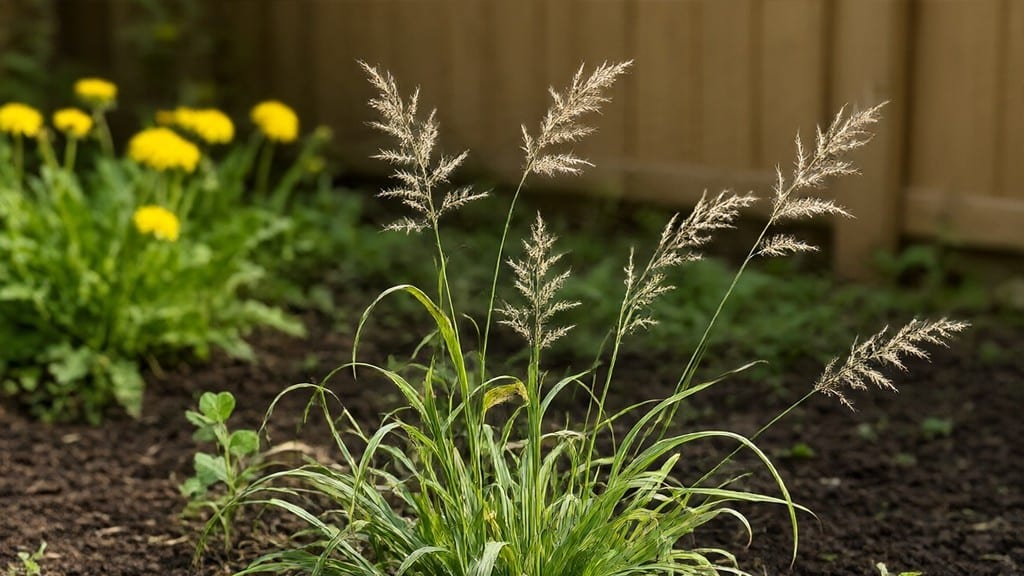
Fern grass weed is the lawn invader that makes you question every pull you’ve ever made. 🌱 I’ve spent more summer afternoons wrestling with this tenacious weed than I’d like to admit—it’s not just grass, it’s a root system that outsmarts even the most determined gardeners.
The key to beating it lies in knowing exactly what you’re dealing with before you grab the weed puller.
This sneaky weed mimics ornamental grasses and ferns, which is why so many gardeners mistake it for something harmless. Look for long, narrow leaves that grow in clumps and a thick, fibrous root system that spreads underground like a hidden network.
Unlike regular grass, it doesn’t respond to mowing—it just keeps coming back, thicker and more aggressive, if you don’t tackle the roots.
You’ll finally win this battle with a combination of manual removal (digging deep), targeted herbicides for stubborn patches, and smart cultural practices like smothering or solarization. The secret?
Persistence—this weed won’t quit, and neither can you. Once you’ve got the upper hand, your lawn will look like you designed it, not like a weed took over.
Works for both organic and chemical approaches, though the organic methods take a little more elbow grease. Let’s get those patches under control for good—your lawn deserves it.
Root Causes of Stubborn Grass-Like Weeds
If your lawn is battling an invasion of fern grass weed (often mistaken for clover or creeping charlie), understanding the underlying reasons is half the battle. These weeds don’t just appear out of nowhere—they thrive because of specific conditions in your yard.
Below, we break down the science behind why these persistent pests take over, so you can tackle the problem at its source.
🌱 Poor soil conditions create the perfect invitation
Fern grass weed and similar invasive species love weak, compacted, or nutrient-deficient soil. When your lawn’s foundation is lacking, these weeds swoop in like opportunistic tenants.
- Low organic matter: Healthy soil is rich in decomposed plant material (humus), which provides structure and nutrients. If your soil is sandy or clay-heavy with little organic content, weeds like fern grass weed outcompete grass roots for water and minerals.
- Compacted soil: Heavy foot traffic, machinery, or poor drainage compresses soil, reducing oxygen and root growth. Weeds with shallow, fibrous roots (like fern grass) thrive in these conditions because they don’t need deep soil penetration.
- Imbalanced pH: Most lawn grasses prefer a pH between 6.0 and 7.0. If your soil is too acidic (<5.5) or alkaline (>7.5), grass struggles to establish, leaving gaps for weeds to fill.
Actionable fix: Test your soil (kits are cheap and available at garden centers) and amend it with compost, peat moss, or lime (for acidic soil) to create a hostile environment for weeds.
💦 Overwatering or irregular watering patterns
Watering your lawn too much or too little sends mixed signals to your grass—and a clear invitation to weeds. Fern grass weed, in particular, loves consistent moisture but can’t handle drought stress like mature grass.
- Excessive watering: Overwatering keeps the top layer of soil perpetually damp, encouraging shallow-rooted weeds. It also washes away nutrients, weakening grass.
- Inconsistent watering: Skipping watering sessions causes grass to go dormant, creating bare spots where weeds germinate. Fern grass weed seeds lie dormant in the soil until conditions are just right.
- Poor drainage: If water pools in low spots, those areas become weed magnets. Stagnant water creates anaerobic conditions, suffocating grass roots while weeds like fern grass thrive.
Actionable fix: Water deeply 1–1.5 inches per week (including rainfall) and adjust for your grass type. Use a rain gauge or tuna can to measure. For drainage issues, aerate and add sand or organic matter.
☀️ Inadequate sunlight or shade stress
Lawn grass is a sun lover, while many weeds (including fern grass weed) are shade-tolerant. If your lawn has patches of shade—whether from trees, fences, or buildings—weeds will dominate those areas.
- Natural shade: Mature trees or structures block sunlight, reducing photosynthesis in grass. Weeds like fern grass adapt to low light by growing slowly but persistently.
- Thin grass canopy: If your lawn is sparse (due to disease, pests, or poor maintenance), weeds fill the gaps because they don’t rely on dense competition.
Actionable fix:
- Choose shade-tolerant grass varieties (e.g., fine fescue, zoysia) if full sun isn’t an option.
- Thin tree canopies strategically to allow 4–6 hours of sunlight daily.
- Apply a pre-emergent herbicide in early spring to prevent weed seeds from germinating in shady spots.
🪴 Lack of proper lawn maintenance
Neglect is the ultimate weed enabler. When you skip basic lawn care, fern grass weed and other invasives exploit the opportunity. Here’s how:
- Infrequent mowing: Tall grass shades the soil, keeping it cool and moist—ideal for weed seeds. Mowing at 3–4 inches discourages weeds by promoting grass density.
- No dethatching: A thick layer of thatch (dead grass, roots, and debris) blocks water and nutrients from reaching the soil. Weeds like fern grass grow right through it.
- Skipping fertilization: Weak grass can’t outcompete weeds. A balanced fertilizer (high in nitrogen for growth) strengthens your lawn’s defense.
- Ignoring weeds early: Letting fern grass weed spread means more seeds for next season. Pulling or treating it before it flowers stops its spread.
Actionable fix: Stick to a monthly maintenance schedule:
- Mow regularly (never remove more than ⅓ of the blade at once).
- Aerate and dethatch in early fall to improve soil health.
- Fertilize in spring and fall for steady growth.
- Spot-treat weeds immediately with vinegar (for small patches) or targeted herbicides.
By addressing these root causes, you’re not just treating the symptoms—you’re starving the problem at its source. The key? Consistency. Weeds like fern grass weed won’t stand a chance against a healthy, well-maintained lawn.
How to solve it
If your lawn is under siege by fern grass weed—or whatever aggressive, clinging invader has taken root—don’t panic. With the right tactics, you can reclaim your yard without resorting to harsh chemicals or backbreaking labor.
Below, we break down the most effective solutions, tailored to the root causes of your weed woes. Think of this as your battle plan: identify the enemy, strike strategically, and fortify your defenses.
###
🌱 Overcrowded Grass? Thin It Out First
When grass is too dense, weeds like fern grass weed thrive in the shade and competition. The fix? Thin and aerate to restore balance.
- 🔥 Step 1: Mow lower than usual – Set your lawnmower to its lowest setting (but never scalp the grass) to weaken thick patches. Do this once before treating.
- 👨🍳 Step 2: Aerate aggressively – Rent a core aerator (or use a manual spike aerator in small areas) to pull out soil plugs. Focus on compacted zones where weeds are worst. Pro tip: Do this in early fall or spring when soil is moist but not soggy.
- 🌱 Step 3: Overseed bare spots – Sprinkle high-quality grass seed (like tall fescue or Kentucky bluegrass) over aerated areas. Keep soil moist for 2–3 weeks to help new grass outcompete weeds.
💡 Prevention: Mow regularly (never removing more than ⅓ of the blade at once) and fertilize in early fall to encourage deep root growth. A thick lawn is the best weed deterrent!
###
🔥 Weeds Won’t Budge? Go Manual or Mechanical
For stubborn patches, especially in walkways or garden edges, physical removal is often the fastest and safest method—no chemicals required.
- ⏰ Early morning or evening – Pull weeds when soil is damp (after watering or rain) to avoid breaking off roots. Use a weed puller or digging fork for deep-rooted invaders like fern grass weed.
- 🔪 For tough clumps – Use a hand weeder or hose-end sprayer with vinegar (3% acetic acid) mixed with dish soap (1 tbsp per gallon). Spray directly on weeds—avoid desirable plants!
- 🍳 Solarize stubborn spots – Cover the area with clear plastic sheeting for 4–6 weeks in hot sun. The trapped heat kills weeds and seeds below. Best for small, isolated patches.
✨ Pro Tip: Mulch garden beds with wood chips or straw to block sunlight and smother weeds naturally. Just keep it 2–3 inches thick!
###
💊 Chemical Warfare: When to Use Herbicides
If manual methods fail, selective herbicides can target weeds without harming your lawn. But timing and product choice matter!
| Weed Type | Best Herbicide | How to Apply |
|---|---|---|
| Broadleaf weeds (e.g., clover, dandelions) | 2,4-D or triclopyr (selective for grass lawns) | Spray on a calm day; water lawn afterward if rain isn’t forecasted within 24 hours. |
| Grassy weeds (fern grass weed, crabgrass) | Dicamba or sethoxydim (post-emergent) | Apply when weeds are actively growing (spring/fall). Avoid pre-emergent if seeding afterward. |
| Prevent future weeds | Pre-emergent herbicide (prodiamine or pendimethalin) | Spread in early spring before weed seeds germinate. Reapply in fall if needed. |
🚨 Safety First:
- Always follow label instructions—overapplying can damage your lawn.
- Use a drop spreader for even coverage and avoid drift onto sidewalks or plants.
- Wear gloves and avoid applying on windy days.
💡 Prevention: Apply corn gluten meal (a natural pre-emergent) in fall to starve weed seeds without harming grass.
###
🌡️ Long-Term Lawn Fortification
Once weeds are gone, keep them from returning with these habits:
- 📊 Soil test first – Check pH and nutrients (ideal lawn pH: 6.0–7.0). Amend with lime (to raise pH) or sulfur (to lower it) as needed.
- 💪 Fertilize smartly – Use a slow-release, balanced fertilizer (like 16-4-8) in early fall. Avoid high-nitrogen spring feeds, which encourage weeds.
- 🥗 Water deeply but infrequently – Water lawns 1–1.5 inches per week (including rain). Shallow watering stresses grass and invites weeds.
- 🎯 Sharpen your mower blade – A dull blade tears grass, making it vulnerable to disease and weeds. Mow when grass is dry for cleaner cuts.
✨ Bonus: Let grass grow slightly taller in summer (3–4 inches) to shade out weeds naturally. Most lawns handle heat better with extra length!
Frequently asked questions
How can I tell if my lawn has fern grass weed instead of regular grass?
Fern grass weed has long, narrow leaves that grow in clumps and spreads through thick, fibrous roots. Unlike ornamental grasses, it grows aggressively in patches and often appears greener and more vibrant than your lawn grass. Check for rhizomes (horizontal roots) when you dig up a clump—if it spreads like a network, it's likely this invasive weed.
Will vinegar really kill fern grass weed without harming my lawn?
Yes, but only if used carefully! A 3% acetic acid vinegar solution (1 gallon vinegar + 1 tbsp dish soap) works best on small patches. Spray directly on the weed (not grass) on a sunny day. For large areas, this method may require multiple applications and can weaken grass if overused. Test a small area first.
How deep should I dig to remove fern grass weed roots completely?
Dig at least 4-6 inches deep to reach the rhizomes—the thick, underground stems that regrow if left behind. Use a digging fork or weed puller for stubborn clumps. For large infestations, consider solarization (covering with clear plastic for 4-6 weeks) to kill roots without digging.
Can I use the same herbicide for fern grass weed as I would for crabgrass?
No, they require different herbicides. Fern grass weed is a grassy weed like crabgrass, but it needs post-emergent herbicides containing dicamba or sethoxydim. Pre-emergent herbicides (like preen) won't work once the weed is established. Always check the label to confirm it targets grassy weeds, not just broadleaf weeds.
Why does fern grass weed keep coming back even after I pull it?
This weed spreads through rhizomes—underground stems that can regrow from tiny fragments. Even a 1-inch root piece left in the soil can sprout. The solution? Dig deeply, remove all visible roots, and treat the area with vinegar or herbicide to prevent regrowth. Consistency is key—check the same spot monthly for new shoots.