
Lawn
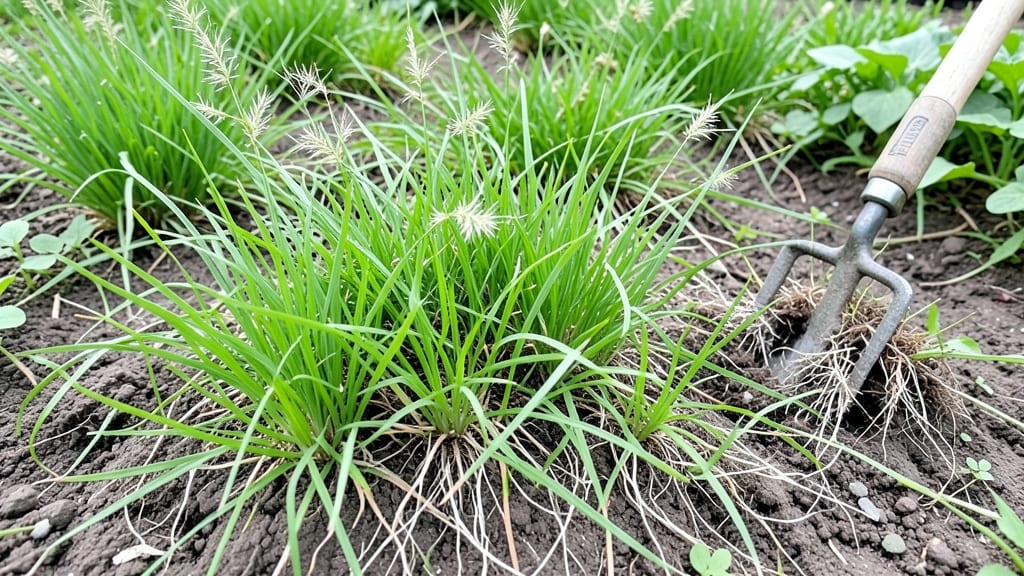
Bermuda grass infestation turns your yard into an unruly jungle overnight—creeping into flower beds and strangling your prized perennials. I’ve battled this aggressive spread in my own garden, and let me tell you, it’s no walk in the park.
The problem starts with its rapid growth and deep roots, which make it nearly impossible to pull by hand or smother with mulch alone.
Most people reach for herbicides first, but that’s a gamble—especially if you’ve got nearby veggies or ornamental plants that’ll absorb the chemicals too.
Instead, I’ve found that targeted solarization (clear plastic sheets trapping heat) and corn gluten meal (a pre-emergent that disrupts seed germination) work better for me—no harsh chemicals, just stubborn persistence. It takes patience, but the payoff is a lawn that stays yours.
By the time you’re done, your flower beds will look like they’ve been professionally landscaped, not overrun by an invasive weed. The key is acting fast—before Bermuda grass sends down those 3-foot roots that make it nearly impossible to dig out later.
I’ll walk you through the step-by-step methods that actually work, so you can reclaim your yard without sacrificing your plants.
Whether you’re dealing with a small patch or a full-blown takeover, these tactics adapt to any yard size. The goal isn’t just to kill the Bermuda but to keep it from coming back—so you can enjoy your garden again without playing whack-a-mole with sprouts popping up everywhere.
Why it happens
Bermuda grass may look like the perfect lawn companion—until it isn’t. This hardy, aggressive grass thrives in the right conditions, but when those conditions shift, it can quickly become an infestation.
Understanding the root causes helps you take proactive steps to prevent or manage its spread before it takes over your yard. Here’s why Bermuda grass goes rogue:
🌱 Ideal Growing Conditions
Bermuda grass is a warm-season powerhouse, meaning it loves heat, sunlight, and dry spells. When your lawn provides these conditions year-round—or if you live in a climate where they’re abundant—Bermuda can spread uncontrollably. Here’s the science:
- Sunlight: It requires 6+ hours of direct sun daily to photosynthesize efficiently. Shade from trees or buildings slows it down, but partial sun can still fuel growth.
- Heat Tolerance: Bermuda grass thrives in temperatures between 75°F and 95°F. In these ranges, its roots grow aggressively, producing stolons (horizontal runners) and rhizomes (underground stems) that spread rapidly.
- Drought Resistance: Unlike cool-season grasses, Bermuda goes dormant in winter but rebounds quickly in spring when temperatures rise. This resilience lets it outcompete weaker grasses.
Actionable Tip: If your lawn is mostly Bermuda and you’re in a hot, sunny climate, preventative mowing and overseeding with cool-season grasses in fall can help suppress its dominance.
🌱 Weak or Absent Competition
Bermuda grass doesn’t just spread—it invades by crowding out other plants. When your lawn lacks diversity or has thin, stressed turf, Bermuda fills the gaps like a weed. Here’s how it happens:
- Thin Turf: Bare spots or patchy grass create open spaces where Bermuda seeds or runners can take root. Even a 10% bare area can trigger a rapid takeover.
- Poor Soil Health: Compacted, nutrient-poor, or acidic soil weakens desirable grasses. Bermuda, however, thrives in sandy or well-draining soils with a pH of 6.0–7.5, making it the perfect opportunist.
- Overseeding Failures: If you’ve tried to introduce new grass but didn’t prep the soil properly (e.g., aerating, fertilizing, or controlling weeds first), Bermuda can choke out the seedlings before they establish.
Actionable Tip: Conduct a soil test to check pH and nutrients. If your lawn is struggling, overseed with a dense, competitive grass like tall fescue or ryegrass in early fall to starve out Bermuda before it spreads.
🌱 Human and Animal Activity
Sometimes, the infestation starts with you. Unintentional actions like mowing, playing, or even walking can accelerate Bermuda’s spread. Here’s how:
- Mower Blades: If your mower picks up Bermuda runners or seeds from one area and deposits them elsewhere, you’re accidentally planting them. This is especially true if you mow wet grass, which can smear stolons onto new patches.
- Foot Traffic: Walking or playing on Bermuda lawns can embed stolons into soil or disrupt neighboring grass, creating entry points for Bermuda to invade.
- Pet or Livestock Damage: Animals digging, scratching, or grazing can expose roots and create ideal conditions for Bermuda to spread into lawns or gardens.
Actionable Tip: Clean your mower deck weekly with a stiff brush to remove trapped Bermuda runners. After mowing, water the lawn lightly to help wash away any stray stolons. For pets, consider designated play areas to minimize soil disruption.
🌱 Seed Dispersal by Wind and Water
Bermuda grass doesn’t always spread via roots—sometimes, it’s airborne or hitches a ride on water. Here’s how it happens:
- Windborne Seeds: Bermuda produces tiny, lightweight seeds that can travel hundreds of feet on a breezy day. If your neighbor’s lawn is overrun, their seeds may land in your yard and germinate.
- Water Runoff: During heavy rains or irrigation, Bermuda stolons or seeds can wash into neighboring properties, especially if slopes or drainage issues exist.
- Equipment Sharing: Tools like rakes, brooms, or even shoes can carry Bermuda fragments from one area to another, especially in construction or landscaping projects.
Actionable Tip: If you live near a Bermuda-heavy area, install a buffer zone (like mulch or ground cover) along property lines. After storms, inspect and clean gutters and drainage areas to prevent seed buildup.
How to Fix Stubborn Bermuda Grass Spread
Bermuda grass may be tough to kill, but with the right tactics, you can regain control of your lawn. The key is matching the right solution to the cause—whether it’s aggressive growth, poor lawn health, or invasive spread.
Below, we break down practical fixes for each scenario, plus prevention tips to keep Bermuda grass from staging a comeback.
🔥 Overgrown or Aggressive Bermuda Grass
If Bermuda grass is spreading rapidly or crowding out your desired turf, aggressive management is needed.
🌱 Mow High and Often
- Set your mower to 1.5–2.5 inches—taller grass shades out weeds and slows spread.
- Mow regularly (every 5–7 days in peak season) to prevent seedheads from forming.
- ⚠️ Pro Tip: Never remove more than ⅓ of the blade height at once—this stresses the grass and encourages spread.
💧 Water Deeply but Less Frequently
- Bermuda thrives on 1–1.5 inches of water per week, but deep watering (2–3 times weekly) promotes deeper roots, making it more competitive.
- 🌡️ Avoid shallow watering—this keeps grass weak and encourages lateral spread.
🔪 Pre-Emergent Herbicide (Spring Application)
- Apply a pre-emergent herbicide (like prodiamine or dithiopyr) before Bermuda germinates (early spring).
- ✨ Timing is critical: Wait until soil temps hit 55–60°F—too early, and it won’t work; too late, and seeds are already sprouting.
🌱 Bermuda Invading Desired Turf or Beds
When Bermuda grass creeps into flower beds, sidewalks, or other turf types, manual and chemical removal is key.
🔪 Hand-Pulling or Digging (Small Areas)
- Best for: Cracks in driveways, sidewalks, or small patches in beds.
- How to:
- Loosen soil with a garden fork or trowel.
- Grip the base of the grass and pull—Bermuda has shallow roots, so it comes out easier than you’d think.
- Inspect edges—even tiny roots left behind will regrow.
- 💡 Pro Tip: Use gloves—Bermuda grass can irritate skin.
🧪 Post-Emergent Herbicides (Spot Treatment)
- Best for: Larger infestations in flower beds or between pavers.
- Recommended herbicides:
- Glyphosate (Roundup) – Kill all plant material first (mow or trim), then apply on a dry, wind-free day.
- Triclopyr + 2,4-D (for broadleaf areas) – Safer for ornamental plants but requires careful application.
- ⚠️ Safety First:
- Avoid overspray on desired plants—use a shield or drop cloth.
- Reapply if rain occurs within 24–48 hours.
🛡️ Landscape Fabric Barrier (Prevention)
- Best for: Keeping Bermuda out of flower beds long-term.
- How to:
- Remove all Bermuda grass (hand-pull or herbicide).
- Lay landscape fabric over the area (secure edges with stakes).
- Add 2–3 inches of mulch on top to block light and prevent regrowth.
🌿 Weak or Stressed Lawn Letting Bermuda Take Over
If your lawn is thin or struggling, Bermuda grass fills the gaps. Strengthening your turf is the best defense.
🌱 Overseed with a Competitive Grass
- Best options: Tall fescue, perennial ryegrass, or zoysia—these outcompete Bermuda once established.
- When to overseed:
- Cool-season grasses: Early fall (Sept–Oct).
- Warm-season grasses (zoysia): Late spring (May–June).
- 💡 Pro Tip: Aerate first to improve seed-to-soil contact.
💪 Fertilize Properly
- Bermuda loves nitrogen—but over-fertilizing can make it spread faster.
- For desired turf:
- Use a slow-release, balanced fertilizer (e.g., 16-4-8).
- Apply in early spring and fall (avoid summer heat stress).
- 📊 Soil Test First: Check pH (ideal: 6.0–7.0)—Bermuda thrives in slightly acidic to neutral soil.
🪓 Thatch Control (If >½ inch Thick)
- Why? Thatch smothers grass roots and invites weeds.
- How to fix:
- Dethatch in early spring with a rake or power dethatcher.
- Prevent buildup with regular mowing and core aeration.
🛡️ Long-Term Prevention Strategies
Once you’ve tackled the infestation, keep Bermuda grass from returning with these habits.
| Strategy | How to Do It | Best Time |
|---|---|---|
| Pre-emergent herbicide | Apply prodiamine or dithiopyr before Bermuda germinates. | Early spring (soil at 55°F) |
| Dense turfgrass | Overseed with tall fescue or ryegrass for a thick, competitive lawn. | Fall (cool seasons) |
| Edge control | Trim lawn edges regularly to prevent Bermuda from encroaching on beds. | Spring & summer |
| Mulch beds heavily | 3+ inches of mulch blocks light and prevents dormant Bermuda from sprouting. | Year-round maintenance |
| Monitor soil health | Test soil every 2–3 years—Bermuda thrives in compacted or nutrient-poor soil. | Fall or spring |
Bermuda grass may be relentless, but with consistent care, the right tools, and a little patience, you can reclaim your lawn. Start with the fixes that match your biggest problem, then lock in prevention to keep it from coming back. 🚀
Frequently asked questions
Why does Bermuda grass spread so aggressively in my yard?
Bermuda grass thrives in warm climates with 6+ hours of sunlight daily and spreads via stolons (horizontal runners) and rhizomes (underground stems). It outcompetes weaker grasses by filling gaps in thin turf or poor soil conditions. Even small bare patches can trigger rapid growth, making it nearly impossible to control without intervention.
Can I remove Bermuda grass without using chemicals?
Yes! For small areas, hand-pulling after loosening the soil works well, especially in cracks or sidewalks. Larger patches require solarization (clear plastic sheets trapping heat) or corn gluten meal (pre-emergent) to disrupt seed germination. Mulching heavily (3+ inches) also blocks light and prevents regrowth over time.
How long does it take to completely eliminate Bermuda grass?
Complete eradication can take 1–3 years, depending on the size of the infestation and methods used. Chemical herbicides (like glyphosate) may kill visible growth in 2–4 weeks, but dormant seeds or roots can resprout. For long-term success, combine removal with pre-emergent herbicides in spring and overseeding with competitive grasses.
Will mowing help stop Bermuda grass from spreading?
Mowing alone won’t stop Bermuda grass, but consistent, high mowing (1.5–2.5 inches) slows its spread by reducing sunlight exposure. Avoid cutting more than ⅓ of the blade height at once—this stresses the grass and encourages faster regrowth. Pair mowing with other methods like pre-emergent herbicides for best results.
Can Bermuda grass grow back after I’ve removed it?
Absolutely—Bermuda grass has dormant seeds that can lie in soil for years and resprout when conditions are right. To prevent regrowth, use landscape fabric + mulch in flower beds or apply pre-emergent herbicides annually in early spring. Regular monitoring and maintenance are key to keeping it at bay.