
Light Requirements
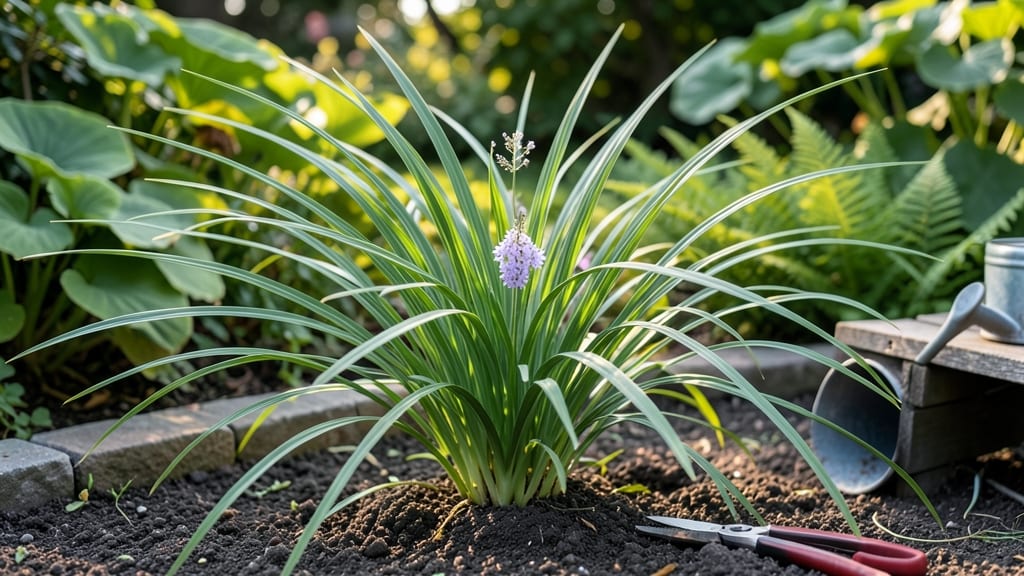
Lemon grass needs sun to grow strong and flavorful, thriving with 6 to 8 hours of direct sunlight daily for peak citrusy aroma and robust stems. While it adapts to partial shade in hotter regions, insufficient light weakens growth and mutes its signature taste.
Sunlight triggers lemon grass's photosynthesis, which directly impacts its essential oils—the compounds that give it that zesty aroma. 🔥 In full sun, the plant produces more limonene and citral, the compounds responsible for its signature citrusy kick.
Without enough light, the leaves turn pale and the stalks grow thin, making them less useful for cooking. Even in shady spots, lemon grass won't die, but you'll notice a noticeable drop in both flavor intensity and plant vigor.
For best results, place your lemon grass in a spot where it gets morning sun and afternoon shade if you're in a hot climate.
If growing indoors, a south-facing window with at least 4-6 hours of direct light works well, but supplement with a grow light if natural light falls short. Watch for signs like yellowing leaves (too little light) or crispy brown tips (too much heat), and adjust accordingly.
💡 In This Article
- How Sunlight Affects Lemon Grass Growth and Flavor
- Best Light Conditions for Growing Lemon Grass Indoors and Outdoors
How sunlight affects lemon grass growth and flavor
Sunlight is the driving force behind lemon grass's photosynthesis process, where its leaves convert light energy into chemical energy through chlorophyll. This green pigment absorbs blue and red wavelengths most efficiently, which is why lemon grass grows best in bright, indirect to full sun conditions.
When exposed to 6-8 hours of direct sunlight daily, the plant maximizes its energy production, leading to thicker stems and more vibrant green leaves.
The key here is that sunlight intensity directly influences the plant's ability to produce essential oils like limonene and citral, which give lemon grass its signature citrusy aroma.
In full sun conditions, lemon grass develops a deeper green color due to higher chlorophyll production, and its stems grow thicker with a firmer texture—ideal for culinary use. The essential oil concentration can increase by up to 30% compared to plants grown in shade, making the flavor more potent.
For example, a lemon grass stalk grown in full sun might contain 0.8-1.2% essential oils by weight, while one in partial shade could drop to 0.4-0.7%. This difference is noticeable when cooking, as the stronger flavor enhances dishes more effectively. 🌿
When lemon grass receives insufficient light, its leaves turn pale yellow or even white, a condition called chlorosis. This happens because the plant can't produce enough chlorophyll to maintain its green color. Weak stems develop, often bending under their own weight, and the roots grow shallow and sparse.
In extreme cases, the plant may produce fewer leaves or even stop growing altogether. The flavor also suffers, becoming milder and less aromatic. This is particularly noticeable in indoor settings where natural light is limited, such as north-facing windows or rooms without direct sunlight.
On the other hand, too much intense sunlight—especially in hot climates—can cause stress to the plant. The leaves may develop brown, crispy edges as they lose moisture too quickly, a condition known as sunburn. This is common in regions with high UV exposure, like the southwestern U.S. or Mediterranean climates.
To mitigate this, providing afternoon shade or using shade cloth can protect the plant while still allowing it to receive enough light for optimal growth. The goal is to balance sunlight exposure so that the plant thrives without suffering from heat stress.
Another fascinating aspect is how sunlight affects the plant's growth rate. Lemon grass grown in full sun tends to reach maturity faster, with stems growing 2-3 inches per month under ideal conditions.
In contrast, plants in partial shade may grow only 1 inch per month, taking significantly longer to reach a usable size. This slower growth also means the essential oils have more time to develop, but the overall concentration remains lower.
For gardeners or chefs, this means faster harvests and more consistent flavor when the plant gets adequate sunlight. ✨
For those growing lemon grass in containers, sunlight exposure becomes even more critical because the plant's root system is limited. Without enough light, the roots can't expand properly, leading to stunted growth.
In these cases, rotating the container every few weeks ensures all sides of the plant receive equal light exposure, promoting even growth and preventing the plant from leaning toward the light source.