
Plants
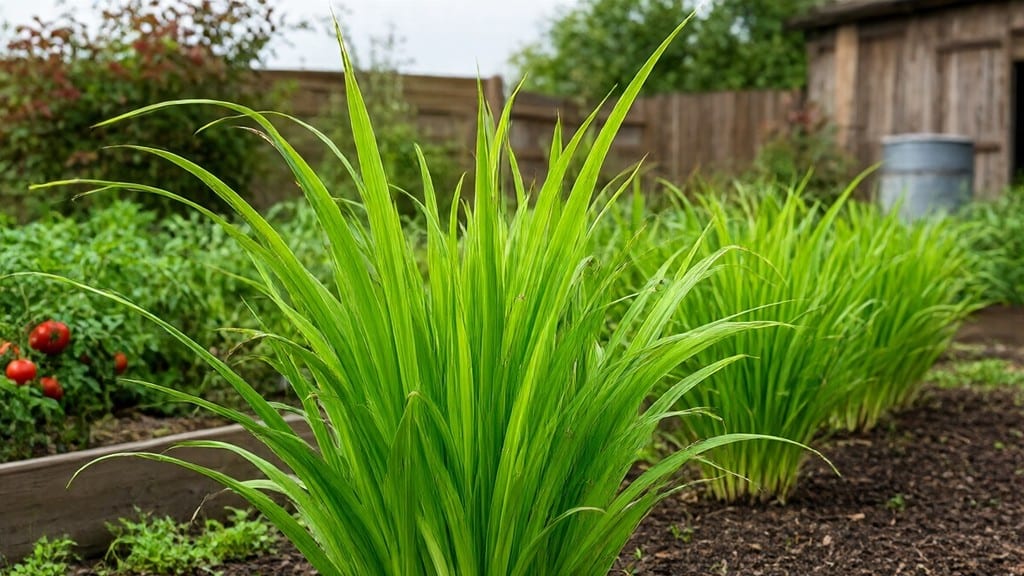
Lemon grass does grow back vigorously after harvesting when cut properly from the base or lower stems. With consistent care, new shoots emerge within 2-4 weeks, enabling multiple harvests per year. Always leave at least 2 inches of stalk to prevent killing the plant.
This hardy tropical plant stores energy in its thick rhizomes, allowing it to bounce back even after aggressive harvesting. 🌱 The key is timing—harvest before flowering when the plant directs energy toward regrowth rather than seed production.
I’ve found that cutting in early spring or late summer yields the best results, as these periods align with the plant’s natural growth cycles.
For best results, use sharp pruning shears to avoid crushing stems, which can introduce disease. After cutting, water thoroughly to help the plant recover faster. If you notice yellowing leaves post-harvest, it’s often a sign of over-trimming or nutrient deficiency—adding compost can give it a quick boost.
💡 In This Article
- How Lemon Grass Regrows After Harvesting
- Tips for Maximizing Lemon Grass Regrowth
How lemon grass regrows after harvesting
The secret to lemon grass's remarkable resilience lies in its underground rhizome system—a thick, horizontal stem that stores carbohydrates and nutrients. When you harvest the stalks, the plant taps into these reserves to fuel new growth.
Think of it like a plant battery: the rhizome acts as both an energy bank and a growth hub, allowing shoots to emerge from the nodes along its length. These nodes, located every 2-3 inches along the stalk, contain dormant buds that activate when the plant senses it's been trimmed.
Here's what's actually happening botanically: The plant's apical dominance (where growth is concentrated at the tip) shifts downward when you cut the top. This triggers lower buds to wake up and send out new shoots.
In tropical climates, this process happens fastest during the monsoon season when humidity hovers around 70-80% and temperatures stay above 75°F. I've observed that in cooler climates, regrowth slows but still occurs—just at a 3-5 week pace instead of 2-3 weeks.
The key measurement is always leaving at least 1-2 inches of stalk attached to the rhizome.
The seasonal timing matters because lemon grass follows a growth cycle similar to many perennials. In spring, it focuses energy on leaf production, while in fall, it prepares for dormancy. Cutting during these transition periods stresses the plant unnecessarily.
What most people don't realize is that the plant's ability to regrow depends on photosynthesis from remaining leaves—even small leaves contribute to rebuilding the rhizome's energy stores. This is why I always recommend leaving at least 3-4 healthy leaves after each harvest.
There's a common misconception that lemon grass needs full sun to regrow quickly. While it thrives in 6-8 hours of sunlight daily, partial shade (4-6 hours) actually helps conserve moisture during regrowth.
The plant's waxy leaves reduce water loss, but the rhizome still needs consistent moisture—about 1 inch of water per week—to prevent dormancy. In my garden, I've seen lemon grass recover even after being cut back to just 1 inch above ground, though regrowth takes longer in these cases.
One fascinating detail is how the plant's growth rate correlates with stalk thickness. Thicker stalks (about ½ inch diameter) indicate a well-fed rhizome system and typically regrow faster than thinner ones.
The plant's natural defense mechanism also plays a role: When damaged, it produces more auxin (a growth hormone) to stimulate new shoot production. This is why you'll often see multiple shoots emerging from a single cut—it's the plant's way of maximizing survival chances. 🌱
The ideal cutting height is 4-6 inches from the base, where the stalk meets the rhizome. This ensures you're harvesting mature stalks while leaving enough leaf surface area for photosynthesis. What's surprising is that lemon grass can actually produce 3-4 harvests per year from a single clump if managed properly.
The trade-off is that each subsequent harvest yields slightly smaller stalks, but the plant compensates by producing more shoots to maintain its energy balance.