
Propagation
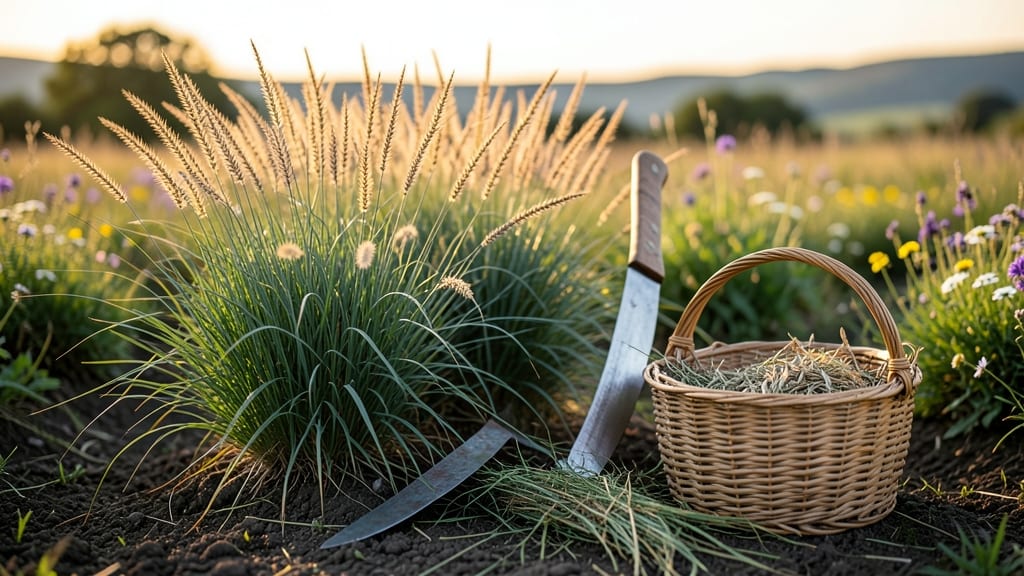
Harvesting grass seed at the perfect moment means the difference between a bountiful yield and a handful of empty seed heads. 🌾 I learned this the hard way when I waited too long on my first batch of tall fescue—what should have been a full bag turned into brittle stalks that crumbled at the touch.
The key is watching for three telltale signs: seed heads that turn golden-brown (not green or black), stalks that dry to a crisp but don’t shatter when rubbed between fingers, and seeds that easily pop out when you gently squeeze a head.
Most grasses reach this stage 4-6 weeks after flowering, but timing varies by type—cool-season grasses like Kentucky bluegrass mature earlier than warm-season varieties.
Once you’ve got the right moment, you’ll collect clean, viable seed that germinates at rates over 80%. The process takes just 30-60 minutes per square foot, and you’ll end up with enough to reseed your lawn or share with neighbors—no more buying expensive bags from the garden center.
Just imagine the satisfaction of walking through your yard in late summer, watching the seed heads sway before you harvest them.
This method works for both lawn grasses and ornamental varieties, though you’ll need to adjust your drying and storage approach based on seed size and moisture content. Let’s get into the exact steps that’ll turn your seed heads into a reliable source of homegrown grass.
📚 In This Guide
- What you need
- Instructions
- Tips and common mistakes
- Wrapping up and next steps
What you need
- ● Grass seed harvesting machine (combine header or reel mower): Adjustable cutting height (1–3 inches for most grass types)
- ● Wide swath width (6–12 feet for efficiency)
- ● Sharp sickle bar or scythe: For hand-harvesting small patches (6–12 inches blade length)
- ● Tarp or seed collection bags: Heavy-duty, breathable fabric (10–20 yards or 5–10 gallon capacity)
- ● Gloves (cut-resistant): To protect hands from sharp grass blades
- ● Pruners or shears: For trimming seed heads from plants
- ● Wheelbarrow or bucket: For transporting harvested seed (5–10 gallon capacity)
- ● Weather forecast: Plan for dry, wind-free days (humidity <60%)
- ● Seed thresher or flail mower: For separating seed from chaff (rent or buy used)
- ● Screen or mesh bag: To sift out debris (¼-inch mesh size)
- ● Moisture meter: To check seed moisture content (ideal: 8–12%)
- ● Labeling tags: For tracking seed varieties and harvest dates
- ● Safety gear: Ear protection (if using loud equipment) and dust mask
Step-by-Step instructions for harvesting grass seed at peak maturity
Here's how to time your harvest for the thickest, most vibrant grass seed yield.
🌱 Step 1: Identify Seed Heads at Perfect Ripeness
Wait until 50-70% of seed heads turn from green to straw-colored or tan—this signals maturity. Run your thumb gently over a seed head: if seeds easily rub off onto your skin, they're ready. Harvest too early and you'll get immature, lightweight seeds that won't germinate well.
Check daily during the last week of maturity. Mornings are best—dew can make seed heads stick together, making them harder to collect. If you see seeds already falling to the ground, harvest immediately or you'll lose yield to birds and wind.
☀️ Step 2: Harvest on Dry, Sunny Days
Choose a dry, sunny day with no rain forecasted for 24 hours—moisture causes seeds to clump and mold. Cut seed heads when they're completely dry to the touch. If you harvest when dew is present, seeds will stick together and spoil during drying.
Use clean, sharp pruning shears to cut 2-4 inches below the seed heads. Leave the lower stems attached to the plant—this prevents uprooting and helps the plant recover for future growth. Collect heads immediately in a breathable mesh bag (like the 5-gallon bag you'll use later) to prevent seed loss.
💧 Step 3: Dry Seed Heads Thoroughly Before Processing
Spread harvested seed heads in a single layer on a clean, dry tarp in a shaded, well-ventilated area. Turn them every 2-3 hours to ensure even drying. They're fully dry when seeds easily separate from the heads with a gentle shake—this usually takes 3-5 days depending on humidity.
Don't rush drying with heat—high temperatures can damage seed viability. If your climate is humid, consider using a fan on low speed to circulate air without creating drafts. Once dry, shake the heads over a large tray to catch falling seeds, then remove any remaining seeds by hand.
✂️ Step 4: Clean and Store Seed for Long-Term Viability
Use a fine mesh screen (like the one included in your supplies) to sift through collected seeds, removing chaff and debris. Store clean seeds in an airtight container (like the 1-gallon mason jar from your list) in a cool, dark place—a basement or pantry works well. Label each container with the variety and harvest date.
Seeds stay viable for 1-2 years when stored properly. Check stored seeds annually by planting a small test batch—if germination drops below 70%, harvest fresh seed the following season. Never store seeds in plastic bags or damp conditions, as this encourages mold and reduces viability.
Tips & tricks for perfect grass seed harvesting
A few key strategies will help you maximize your yield and preserve seed quality through every stage.
The Ripeness Test: In Step 1, when checking seed heads, focus on the 50-70% straw-colored guideline—but don't stop there. The thumb test is your best friend. If seeds rub off easily, they're ready. If they're still firmly attached, give them another day. I learned this the hard way after harvesting too early and ending up with seeds that wouldn't germinate. The difference between a good harvest and a great one often comes down to this simple tactile check.
Harvest Timing Secret: That 24-hour dry weather window in Step 2 is non-negotiable. I've seen entire harvests ruined because of rain within hours of cutting. Check your weather app religiously and be ready to harvest at a moment's notice. Morning harvests are ideal because dew has evaporated, but the sun hasn't had time to dry the plants completely—this gives you that perfect balance of dryness without heat stress.
Drying Strategy: The 2-3 hour turning schedule in Step 3 might seem tedious, but it's worth it. I've tried skipping this in humid climates and ended up with moldy seeds. For even drying, place your tarp on a raised surface like a picnic table or clean wooden pallets. This allows air to circulate underneath too. If you're in a particularly humid area, that fan on low speed can make all the difference—just keep it at least 3 feet away to avoid creating drafts that could scatter seeds.
Storage Wisdom: When storing your seeds in Step 4, don't just rely on the 1-2 year viability estimate. I've had seeds last 3 years when stored properly in cool, dark conditions, but I've also seen them lose viability in just 6 months when stored in warm attics. For extra protection, add a small silica gel packet to your airtight container. These are inexpensive and available at craft stores—they absorb any moisture that might sneak in and extend your seeds' shelf life significantly.
Pro Tips for Harvesting Grass Seed
- A few key strategies will help you maximize your yield and preserve seed quality through every stage.
- The Ripeness Test: In Step 1, when checking seed heads, focus on the 50-70% straw-colored guideline—but don't stop there.
- Harvest Timing Secret: That 24-hour dry weather window in Step 2 is non-negotiable.
Frequently asked questions
Got questions about harvesting grass seed? You’re not alone! Here are answers to the most common concerns—from timing to troubleshooting—to help you maximize your yield with confidence.
When is the best time to harvest grass seed?
The ideal time is when 50-70% of the seed heads have turned golden-brown and are just starting to shatter. Test by gently rubbing a few heads between your fingers—if seeds easily release, it’s harvest time! Morning dew is your friend here, as it keeps seeds firm for easier collection.
How long does it take for grass seed to mature?
Maturity depends on the grass type and climate, but most cool-season grasses (like Kentucky bluegrass or fescue) take 60-90 days from planting to harvest. Warm-season grasses (e.g., bermuda or zoysia) may need 70-120 days. Monitor seed heads closely—don’t wait too long, or seeds will scatter!
What if rain is in the forecast during harvest?
Rain can ruin your harvest by causing mold, spoilage, or seed loss. If wet weather’s coming, prioritize harvesting immediately and dry seeds indoors with a fan or dehumidifier. For large batches, consider a seed dryer or well-ventilated barn. Never harvest damp seed—it’s a fast track to wasted effort!
Can I harvest grass seed by hand, or do I need machinery?
Hand-harvesting works for small plots or ornamental grasses! Use scissors or pruning shears to snip seed heads, then lay them on a tarp to dry. For larger fields, a combine harvester or seed stripper is far more efficient. Renting equipment for one season can be cost-effective if you’re harvesting acres.
What should I do if weeds or pests invade my grass seed crop?
Weeds compete for nutrients and can contaminate your seed. Pull them by hand early on, or spot-treat with vinegar or herbicide (follow label instructions!). For pests like grasshoppers or aphids, use neem oil or insecticidal soap. Act fast—once seeds form, chemical treatments may not be safe.
Pro Tip:
Store harvested seed in a cool, dry place (50-60°F) with low humidity to prevent spoilage. Use paper bags or breathable containers—plastic traps moisture! Label everything with the harvest date for freshness tracking.
Wrapping up and next steps
Harvesting grass seed at peak maturity is your ticket to a bountiful, high-quality yield—and now you’ve got the know-how to make it happen! By mastering the maturity checks, timing, and techniques outlined here, you’re well on your way to turning your field into a seed goldmine. 🌱✨
Ready to put your plan into action? Start small—test a patch of your field this season—and use what you learn to refine your approach. Before you know it, you’ll be harvesting like a pro, with seeds so plump and vibrant they’ll have neighbors asking for tips!