
Fertilization
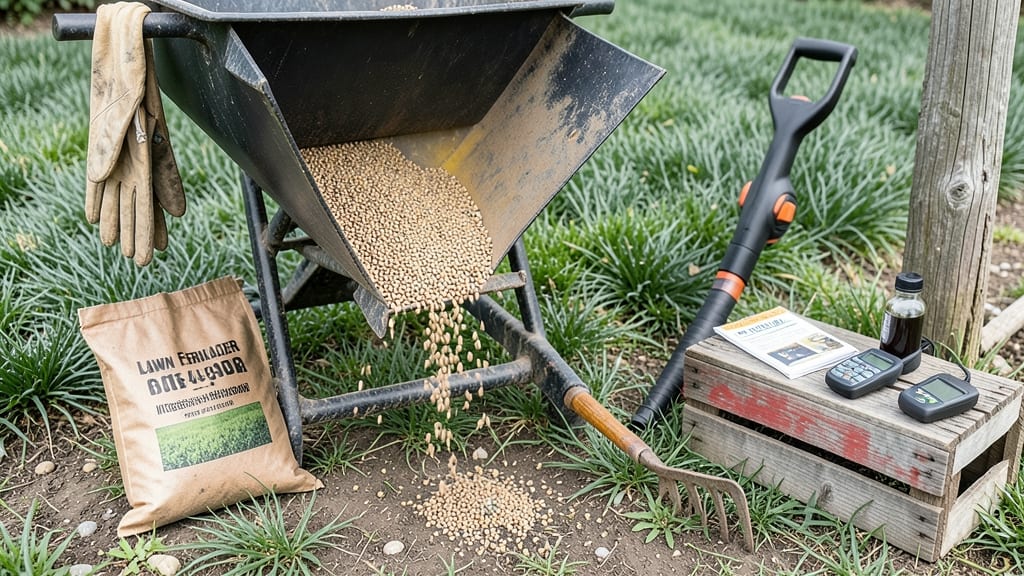
Fertilizing your lawn at the best time ensures strong roots, vibrant color, and fewer weeds 🌱—and the key is knowing when to feed your grass type.
Struggling to keep your lawn lush and green? Timing your lawn fertilization correctly can make the difference between a vibrant yard and a patchy disappointment—yet many homeowners fertilize at the wrong time, wasting money and effort.
Cool-season grasses like Kentucky bluegrass thrive with early spring and fall feedings, while warm-season types like Bermuda grass need summer fertilization. Missing these windows means slower growth, yellow patches, and wasted fertilizer.
Below, I break down the optimal fertilization schedule by grass type, regional adjustments, and how to avoid common mistakes like overfeeding or fertilizing in extreme heat.
Best fertilization times by grass type: cool-season vs warm-season schedules
Timing your lawn fertilization is everything—especially when you're dealing with cool-season vs warm-season grasses. These two types thrive in opposite climates, meaning their fertilization schedules are completely different.
Cool-season grasses like Kentucky bluegrass and fescue love the cooler months, while warm-season varieties such as Bermuda and Zoysia peak in summer heat. Fertilizing at the wrong time can stress your grass, waste money, or even invite pests.
Let’s break down the ideal fertilization windows for each type to keep your lawn lush year-round.
For cool-season grasses, the best time to fertilize is in early spring (March-April) and fall (September-October). This aligns with their natural growth cycles—spring for new growth and fall to strengthen roots before winter.
On the other hand, warm-season grasses need fertilization in late spring (May-June) and summer (July-August) to support their peak growing season. Skipping these windows can leave your lawn thin, patchy, or struggling to recover from drought or heat stress.
Here’s a quick comparison to help you visualize the differences:
| Grass Type | Best Fertilization Time | Key Growth Stage | Fertilizer Type | Avoid Fertilizing |
|---|---|---|---|---|
| Cool-Season (Kentucky Bluegrass, Fescue) | Early Spring (March-April) | New Growth | High Nitrogen (24-0-8) | Summer Heat (June-August) |
| Cool-Season | Fall (September-October) | Root Strengthening | Slow-Release Nitrogen (20-0-5) | Winter (November-February) |
| Warm-Season (Bermuda, Zoysia) | Late Spring (May-June) | Peak Growth | High Nitrogen (30-0-4) | Early Spring (March-April) |
| Warm-Season | Summer (July-August) | Heat Recovery | Potassium Boost (10-0-20) | Fall (September-October) |
If you’re fertilizing cool-season grasses in early spring, focus on a high-nitrogen fertilizer to jumpstart growth after winter dormancy. For example, a 24-0-8 blend is ideal for Kentucky bluegrass in March. Water your lawn thoroughly before and after applying fertilizer to help nutrients absorb into the soil.
This is also a great time to overseed thin areas for a thicker lawn next season.
For warm-season grasses, late spring is critical. Bermuda grass, for instance, needs a 30-0-4 fertilizer in May to support rapid growth. Avoid fertilizing during drought or extreme heat, as this can burn the grass.
Instead, opt for a light feeding in July to help your lawn recover from summer stress. Warm-season grasses go dormant in fall, so skip fertilization entirely during this time to prevent winter damage.
One common mistake I see is homeowners fertilizing their cool-season lawns in summer or warm-season lawns in winter. This can shock the grass and lead to brown patches. Always check your grass type first—if you’re unsure, dig up a small section of sod and observe the root structure.
Cool-season grasses have thin, fibrous roots, while warm-season grasses have thick, deep roots.
Pro tip: Use a slow-release fertilizer in early spring for cool-season grasses to provide steady nutrients over 6-8 weeks. For warm-season grasses, a quick-release option in late spring can give an instant growth boost.
Just remember to follow the 3-1-1 rule: Apply fertilizer in the early morning, water lightly afterward, and avoid heavy watering for 24 hours to prevent runoff.
Regional adjustments matter too. In USDA Zone 6a, like where I garden, cool-season grasses can handle a late fall feeding into early November, while warm-season grasses should stop by mid-October.
If you live in a warmer climate (Zone 8+), extend your warm-season feeding into September but avoid fertilizing after the first frost.
Finally, always test your soil before fertilizing. A simple DIY pH test kit (available at
Signs your lawn needs fertilizer: how to diagnose nutrient deficiencies
If your lawn looks dull, patchy, or struggles to recover from foot traffic, it might be screaming for nutrients. Nitrogen, phosphorus, and potassium deficiencies each show up differently, and ignoring them can turn your yard from lush to lackluster.
Before reaching for fertilizer, learn to spot these visual red flags—they’re your lawn’s way of communicating its needs.
Start with a simple soil pH test. Most grasses thrive in slightly acidic soil (pH 6.0–7.0). If your soil is too alkaline (pH above 7.5), nutrients like iron and manganese become unavailable, even if you fertilize.
A DIY test kit (available for under $10) uses color-changing indicators—just mix soil with vinegar or a special solution and compare the result to a chart.
Yellowing grass is the most common nitrogen deficiency sign.
If only the older blades turn yellow while new growth stays green, your lawn needs a nitrogen boost. Phosphorus deficiency, however, shows up as dark green or purple stems and stunted growth, while potassium deficiency causes weak roots, brown leaf tips, and poor drought resistance.
🌱 When Is the Best Time to Fertilize?
Early spring (after last frost) and late summer/early fall are prime times. Cool-season grasses (like fescue) need feeding in fall, while warm-season grasses (like Bermuda) thrive with spring fertilization. Always test soil pH first—amend with lime if pH is too low or sulfur if too high.
- ✅ Spring: Apply high-nitrogen fertilizer after mowing
- ✅ Fall: Use a balanced NPK (e.g., 10-10-10) for root strength
- ❌ Avoid: Fertilizing in extreme heat or drought
Thin patches or bare spots often mean your lawn is starving for nutrients—or struggling with soil compaction. Aerate compacted areas before fertilizing to help roots absorb nutrients. For slow-growing grass, check for phosphorus deficiency (critical for root development) and apply a bone meal supplement if needed.
Don’t fertilize if your lawn has fungal issues (like brown patch or dollar spot). Fungicides and fertilizers can clash, worsening problems. Instead, water deeply in the morning and mow high (3–4 inches) to improve resilience. Once the issue clears, retest soil and adjust your fertilizer plan.
Pro tip: Divide your lawn into zones and fertilize one section at a time. This helps you track which areas respond best to specific nutrients. For example, if the shady side stays yellow while the sunlit areas thrive, it might need extra iron or nitrogen tailored for low-light conditions.
Remember, over-fertilizing is just as harmful as underfeeding. Follow the package rates and water thoroughly after application to wash excess nutrients into the soil. With these signs in mind, you’ll fertilize smartly—not just seasonally, but precisely when your lawn needs it most. 🌿