
Blooming
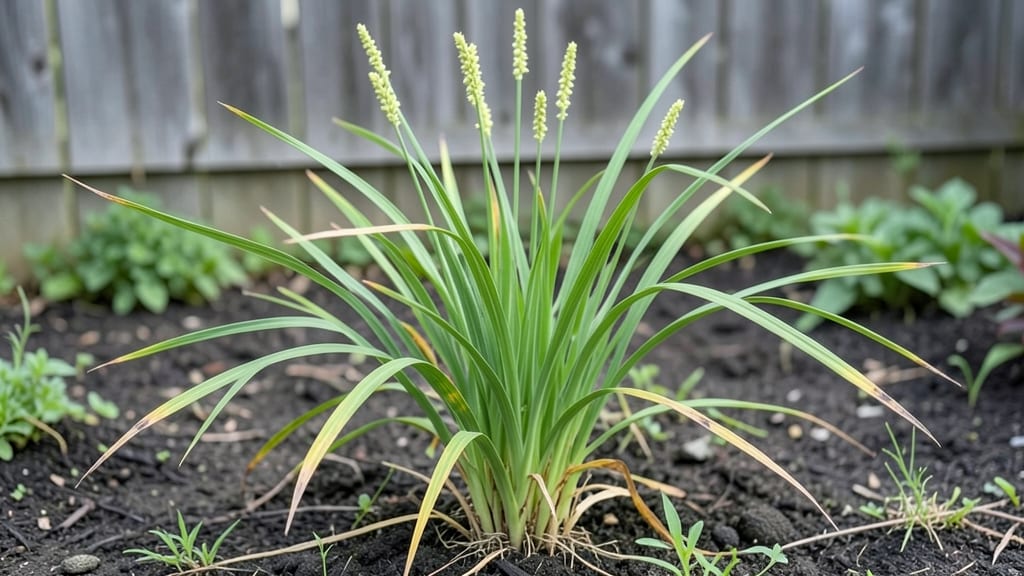
Lemon grass does bloom, but only under very specific conditions—typically when mature, stressed, or in ideal tropical environments. The plant prioritizes leaf growth over flowering, so blooms are rare in most home gardens.
Lemon grass is all about those vibrant leaves, not flowers, which is why you’ll rarely see them in pots. 🌿 The plant’s energy goes into producing the aromatic stalks we use in cooking, not the delicate, fragrant blooms that appear only in perfect conditions.
When they do bloom, these tall, airy flowers are stunning but fleeting—often lasting just a day or two.
If you’re growing lemon grass for culinary use, the flowers are more of a bonus than a priority, though they can be used in teas or garnishes if you’re lucky enough to spot them.
What’s fascinating is how environmental factors play a role. Lemon grass needs full sun, well-drained soil, and consistent moisture to thrive, but even then, flowering is unpredictable. Stress—like drought or overcrowding—can sometimes trigger blooms, but it’s not guaranteed.
If you’re curious to see them, try growing lemon grass in warmer climates or containers where you can control conditions more precisely.
💡 In This Article
- Why Lemon Grass Flowers Are Uncommon in Gardens
- How to Encourage Lemon Grass Flowering (If Desired)
Why lemon grass flowers are uncommon in gardens
Lemon grass is a monocarpic perennial, meaning it allocates nearly all its energy to leaf production during its active growth phase. This botanical priority explains why flowering is rare in home gardens—typically occurring only after 3-5 years of maturity or under specific stress conditions.
The plant’s thick, fibrous roots and rapid leaf growth (up to 6 inches per month in ideal conditions) leave little surplus energy for reproductive structures like flowers.
The science behind this involves photosynthate allocation. Lemon grass, like many tropical grasses, follows a source-sink dynamic where leaves (the source) supply energy to roots and new shoots (the sink).
Flowering requires diverting 20-30% of photosynthates away from vegetative growth—a significant metabolic shift that only happens when the plant perceives optimal conditions. Compare this to citronella grass, which flowers more readily because it has a shorter lifespan (1-2 years) and evolves to reproduce quickly in disturbed environments.
Environmental triggers play a critical role. Lemon grass flowers respond to three key factors:
- Temperature: Needs consistent 75-85°F day/night temps—below 65°F halts flowering entirely.
- Daylength: Requires 12+ hours of sunlight daily to trigger floral initiation.
- Soil conditions: Prefers well-drained, slightly acidic soil (pH 6.0-6.5) with 10-15% organic matter.
Stress factors can surprisingly induce blooming. Mild drought stress (allowing topsoil to dry between waterings) or root-bound conditions (growing in containers without repotting for 18+ months) can signal the plant to flower.
This mimics natural tropical conditions where seasonal dry periods trigger reproduction. However, over-stressing the plant (e.g., extreme drought) often kills it before flowers appear.
The flowers themselves are a delicate spectacle: tall (3-5 feet), feathery panicles with lavender-pink blooms that emit a citrusy, floral aroma—similar to lemongrass-infused jasmine. Each bloom lasts 24-48 hours before wilting, which is why they’re rarely seen in cultivation.
The plant then produces seeds in woody capsules, but these are rarely viable in home gardens due to poor pollination.
What most gardeners don’t realize is that lemon grass self-prunes after flowering. Once blooms appear, the plant’s central stalk dies back, redirecting energy to basal shoots. This is why professional growers often remove flower stalks immediately to maintain leaf production—though this prevents any chance of seeing those rare, ephemeral blooms.