
Lawn
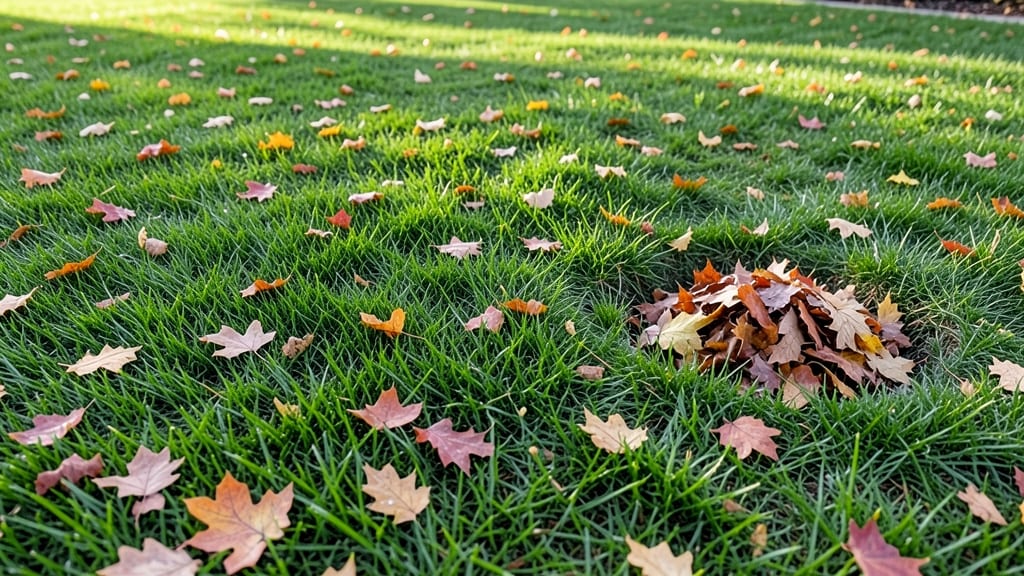
Leaves are good for the lawn when used correctly: they enrich soil with organic matter, retain moisture, and provide nutrients as they decompose, but must be shredded or composted first to prevent smothering grass and attracting pests.
Using leaves as lawn fertilizer is a smart move when you follow the right steps. 🌿 They break down into a nutrient-rich mulch that improves soil structure and helps grass roots grow deeper. The key is proper preparation—shredded leaves decompose faster and won't create thatch layers that block sunlight.
I've seen lawns transform when homeowners use leaves this way, especially in fall when they're naturally abundant. Just avoid thick piles that can suffocate grass or create breeding grounds for pests.
This natural approach saves money on synthetic fertilizers while supporting long-term lawn health. The organic matter from leaves also helps soil retain water better, reducing irrigation needs. For best results, spread leaves evenly after shredding and monitor moisture levels—especially during dry spells.
A little preparation goes a long way in turning fall cleanup into a lawn care advantage.
💡 In This Article
- How Lawn Leaves Improve Soil and Grass Health
- Best Practices for Using Fallen Leaves on Your Lawn
How lawn leaves improve soil and grass health
When leaves decompose, they transform into a natural fertilizer that releases essential nutrients like nitrogen, phosphorus, and potassium over time. These nutrients feed grass roots, promoting healthier growth and deeper root systems.
The decomposition process starts with microbes breaking down leaf material into simpler organic compounds, which enrich the soil's microbial activity. This creates a nutrient-rich environment that supports grass health while improving soil structure and water retention.
Mulched leaves act as a protective layer that retains moisture in the soil, reducing water evaporation by up to 30% compared to bare soil. This is especially beneficial during dry spells, as it helps maintain consistent soil moisture levels.
The organic matter from leaves also improves soil aeration by creating small pockets of air, which encourages beneficial microbial activity. Unlike synthetic fertilizers, leaves provide a slow-release nutrient boost that aligns with natural seasonal cycles.
One of the biggest benefits is weed suppression. A thin layer of shredded leaves blocks sunlight from reaching weed seeds, preventing them from germinating. This natural mulching effect reduces the need for chemical herbicides while keeping your lawn looking tidy.
The texture of decomposed leaves also creates a spongy layer that absorbs and holds water, further supporting grass resilience during drought conditions.
However, the decomposition process requires the right conditions. Leaves break down most efficiently when they're shredded into pieces smaller than 1 inch in diameter. This increases surface area, allowing microbes to work faster and preventing thatch buildup.
Whole leaves create thick mats that block sunlight and air, suffocating grass rather than nourishing it. The ideal decomposition rate depends on leaf type—maple and oak leaves decompose faster than pine needles due to their higher nitrogen content.
Consider this: A 1-inch layer of shredded leaves can provide enough organic matter to improve soil quality for an entire growing season. The nutrients released during decomposition are comparable to a light application of organic fertilizer, but without the environmental drawbacks.
For example, a 100-square-foot lawn area covered with ½-inch of shredded leaves can add about 1 pound of organic matter to the soil, which is roughly equivalent to a 5-10-5 fertilizer blend in nutrient value.
What most people don't realize is that leaves also help regulate soil temperature. During hot summer months, they provide shade that keeps the soil cooler, while in winter, they act as insulation to protect grass roots from freezing.
This dual benefit makes leaves a year-round asset for lawn care, not just a seasonal one. 🌱