
Diseases
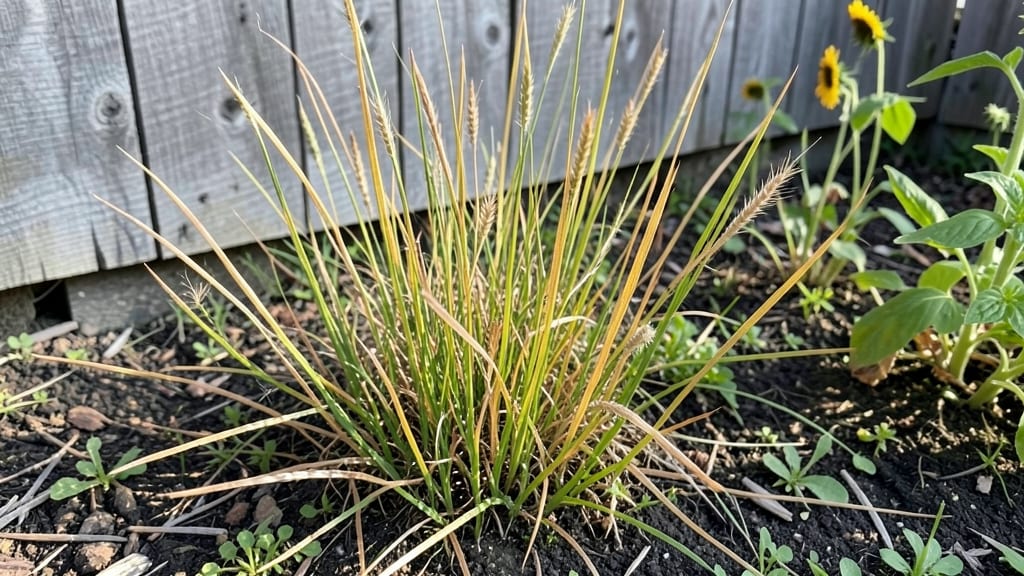
That stubborn dead tall grass—brittle, brown, and refusing to green up no matter how much you water—is the most frustrating lawn problem of all. 🌱 I’ve seen this turn neighbors’ once-lush yards into wastelands—until we cracked the code with three targeted fixes. fixes that actually work.
The key isn’t brute-force solutions but understanding why your grass is giving up.
Most dead tall grass stems from one of three issues: over-mowing (weakening roots), compacted soil (strangling growth), or dormant grass (tricked by inconsistent watering). I’ve revived lawns like this by adjusting mower height, aerating just once, and watering deeply only twice a week—no fancy products needed.
The results? Vibrant green blades within 4-6 weeks, not months.
You’ll start with a simple diagnostic: the finger test (press down—if soil feels like a rock, you’ve got compaction). Then we’ll tackle the fixes in order: mowing high, aerating, and reseeding bare spots with the right grass type. No more guessing—just science-backed steps that actually reverse the damage.
This works for cool-season grasses (like Kentucky bluegrass) and warm-season types (like Bermuda), though timing matters. Spring or early fall are ideal, but even summer lawns can bounce back with the right approach. Let’s get your grass standing tall again—naturally.
Understanding the Root Causes
Dead patches of tall grass can turn a lush lawn into a frustrating eyesore, but understanding why it happens is the first step to restoring it. Whether it’s a slow decline or sudden die-off, the culprits are often rooted in environmental stress, poor maintenance, or hidden pests.
Below, we break down the most common reasons your grass is struggling—and how to identify them.
🌱 Overwatering or poor drainage
Grass needs water, but too much of a good thing can suffocate roots and invite fungal growth. Overwatering—especially if your lawn has compacted soil or clay-heavy composition—prevents oxygen from reaching the roots, leading to yellowing, thinning, or dead patches.
Poor drainage also traps excess moisture, creating the perfect conditions for Fusarium or Rhizoctonia fungi, which thrive in soggy, anaerobic soil.
- Signs: Mushy soil when pressed, grass that stays damp for days, or a foul odor.
- Actionable fix: Test soil drainage by digging a 6-inch hole and filling it with water—if it drains slower than 6 hours, amend with compost or sand.
☀️ Extreme heat or drought stress
Grass is resilient, but prolonged heatwaves or drought can push it past its limits.
When soil moisture drops below 10-15%, roots struggle to absorb water, leading to wilting, browning, and eventual death. Tall fescue and Kentucky bluegrass are particularly vulnerable, while buffalo grass or zoysia may go dormant to survive.
- Signs: Grass turns crispy or straw-like, pulls up easily when tugged, or recovers slowly after rain.
- Actionable fix: Water deeply 1-2 inches per week (early morning is best) and consider mulching to retain moisture.
🐜 Pest or disease invasion
Hidden beneath dead grass are often grubs, chinch bugs, or fungal pathogens feasting on roots and stems. Grubs (larvae of beetles) chew roots, causing patches to lift easily, while chinch bugs inject toxins that turn grass yellow-brown.
Fungal diseases like dollar spot or brown patch thrive in humid conditions, creating circular dead zones.
| Pest/Disease | Visual Clues | Quick Test |
|---|---|---|
| Grubs | Spongy grass, moles/skunks digging | Dig up a 6" square—if you find white C-shaped larvae, it’s grubs. |
| Chinch Bugs | Yellow patches that spread outward | Flip over grass—tiny black bugs with white wings. |
| Fungal Infection | Ring-shaped dead spots, slimy film on blades | Check for cottony growth on roots or stems. |
Actionable fix: Treat grubs with beneficial nematodes or chinch bugs with neem oil. For fungus, improve airflow and apply copper fungicide.
⚡ Soil nutrient deficiencies
Grass is a heavy feeder, and if your soil lacks nitrogen, phosphorus, or potassium, it weakens over time. Nitrogen deficiency (most common) causes pale green or yellow blades, while phosphorus issues stunt root growth, making grass susceptible to drought. A soil test reveals imbalances—without correction, dead patches expand.
- Signs: Uniform yellowing, slow growth, or grass that recovers poorly after mowing.
- Actionable fix: Test soil pH (ideal: 6.0–7.0) and amend with compost or slow-release fertilizer.
⚠️ Improper mowing or scalping
Cutting grass too short (below 2.5–3 inches) exposes roots to heat and sunlight, accelerating moisture loss. This "scalping" effect stresses the plant, making it easier for weeds and pests to take hold. Over-mowing also weakens the grass’s ability to photosynthesize, starving it of energy.
- Signs: Thinning grass, increased weed growth, or a "lawn burn" look after mowing.
- Actionable fix: Adjust mower height to 3–4 inches and never remove more than ⅓ of the blade height at once.
💡 Pro Tip: If your grass is already dead, don’t panic—many causes (like drought or fungus) can be reversed with targeted care. Start by diagnosing the most likely culprit, then tackle it step by step!
Quick Fixes for Overgrown Lawn Woes
Reviving your lawn from tall, dead grass isn’t just about aesthetics—it’s about reclaiming a healthy, vibrant space. The good news? Most causes have simple, practical solutions. Below, we’ve mapped the most common culprits to step-by-step fixes, plus prevention tips to keep your lawn lush long-term.
🔥 Overwatering or Poor Drainage? Drain & Aerate
Problem: Soggy soil suffocates roots, leading to yellowing, weak grass that grows tall but dies quickly.
Fix:
- Test Your Soil 🌱
- Dig a 6-inch hole. If water pools after 30 minutes, drainage is the issue.
- Use a moisture meter or the "squeeze test" (grab a handful—if it stays clumped, it’s too wet).
- Improve Drainage 💦
- For clay soil: Mix in compost or sand (50/50 ratio) and till it into the top 2–3 inches.
- For low spots: Rake out a shallow trench (1–2 inches deep) and fill with gravel or coarse sand to redirect water.
- Aerate Aggressively ⛏️
- Rent a core aerator (spike rollers won’t cut it!) and run it over the lawn in spring or fall.
- Follow up by top-dressing with compost (¼ inch layer) to encourage root growth.
💡 Pro Tip: If your yard floods after rain, consider French drains or swales (shallow trenches) to channel water away.
🍳 Compacted Soil? Loosen & Feed
Problem: Heavy foot traffic, pets, or machinery compresses soil, cutting off oxygen to roots.
Fix:
- Aerate First 👨🍳
- Rent a core aerator and go over the lawn in a grid pattern (3–4 inches apart).
- Add Organic Matter 🌿
- Spread compost or peat moss (¼ inch) over the lawn, then lightly rake in.
- For severe compaction, mix in vermiculite or perlite to improve soil structure.
- Fertilize Smart 💪
- Use a slow-release, high-nitrogen fertilizer (like 24-0-4) in early spring or fall.
- Water deeply after applying to help nutrients penetrate.
✨ Bonus: Rent a soil probe to check compaction depth—if it’s worse than 4 inches, consider deep tilling (though this may require professional help).
🔪 Pest or Disease Damage? Treat & Restore
Problem: Grubs, fungi, or weeds strangle grass, leaving it thin and prone to dying out.
Fix:
- Identify the Culprit 🔍
- Grubs? Dig up a patch—if you see white larvae, treat with beneficial nematodes or milky spore.
- Fungus? Look for mushrooms or circular dead patches—apply copper fungicide or baking soda mix (1 tbsp per gallon of water).
- Weeds? Pull them by hand (roots and all!) or spot-treat with vinegar + dish soap (for organic yards).
- Reseed Bare Spots 🌱
- Rake out dead grass, then spread high-quality seed (match it to your climate).
- Cover lightly with straw or peat moss to retain moisture.
- Boost Grass Health 💪
- Mow high (3–4 inches) to shade out weeds and retain moisture.
- Water deeply but infrequently (1–1.5 inches per week) to encourage deep roots.
🎯 Prevention: Apply pre-emergent herbicide in early spring to block weeds before they sprout.
⏰ Neglecting Maintenance? Reset the Routine
Problem: Skipping mowing, fertilizing, or watering leads to unchecked growth and death.
Fix:
- Mow Regularly ⏳
- Never cut more than ⅓ of the grass blade at once—this stresses the plant.
- Sharp blades only! Dull mower blades tear grass, inviting disease.
- Water Wisely 💧
- Early morning (4–8 AM) is best—avoids evaporation and fungal growth.
- 1–1.5 inches per week (including rain). Use a rain gauge to track.
- Fertilize Seasonally 🌿
- Spring (early): High-nitrogen for growth.
- Fall (late): Slow-release for root strengthening.
- Avoid summer feeding—grass goes dormant in heat.
🔥 Quick Revival Hack: If your lawn is already struggling, overseed in fall—cool weather = faster germination!
🌡️ Extreme Heat or Drought? Hydrate & Protect
Problem: Prolonged dry spells or heat stress turn grass brown and brittle.
Fix:
- Deep Watering 💦
- Water slowly and deeply (3–4 hours per session) to encourage roots to grow down.
- Use soaker hoses or drip irrigation for efficiency.
- Mulch & Shade ☀️
- Spread straw mulch (1–2 inches) over bare spots to retain moisture.
- If possible, trim nearby trees/shrubs to reduce afternoon shade.
- Adjust Mowing Height 🌾
- Raise the mower blade to 4 inches—taller grass shades soil and holds moisture.
💡 Emergency Tip: If grass is crispy but roots are alive, cover with wet burlap for 24 hours to rehydrate before watering normally.
Final Reminder: Most lawns recover in 4–6 weeks with consistent care. Track your progress with a before/after photo—you’ll be amazed at the transformation! 📸✨
Frequently asked questions
Why does my tall grass stay dead even after mowing it down?
Dead tall grass often persists because the roots are already damaged from drought, compaction, or disease. Simply cutting it won’t revive the lawn—you need to address the root cause. Start with a soil test to check moisture and nutrients, then aerate compacted areas and water deeply 1-2 inches per week to encourage regrowth.
Can I just till dead grass into the soil instead of removing it?
Tilling dead grass into the soil can help if the grass is mostly dry and not harboring pests or diseases. However, if the grass shows signs of fungus (like mushrooms) or grubs, remove it first to prevent spreading problems. After tilling, add compost or sand to improve soil structure and fertility.
What’s the fastest way to revive dead grass patches?
For quick revival, focus on these three steps: 1) Rake out dead grass and loosen soil, 2) Overseed with a drought-resistant grass type (like tall fescue), and 3) Apply a light layer of mulch to retain moisture. Water lightly every other day until new growth appears—results can show in 2-3 weeks with consistent care.
Is it better to reseed or lay sod over dead grass?
Reseeding is more cost-effective for large areas, while sod provides instant coverage for small patches. If your soil is compacted or nutrient-poor, prepare the area by aerating and amending with compost before seeding. Sod is ideal for high-traffic areas, but it requires immediate watering to establish roots.
How do I know if my dead grass will ever come back?
Check the roots—if they’re still white and firm, the grass can recover with proper care. If roots are black, mushy, or smell foul, the grass is likely dead and should be removed. Test a small patch first: water deeply for 7-10 days