
Plants
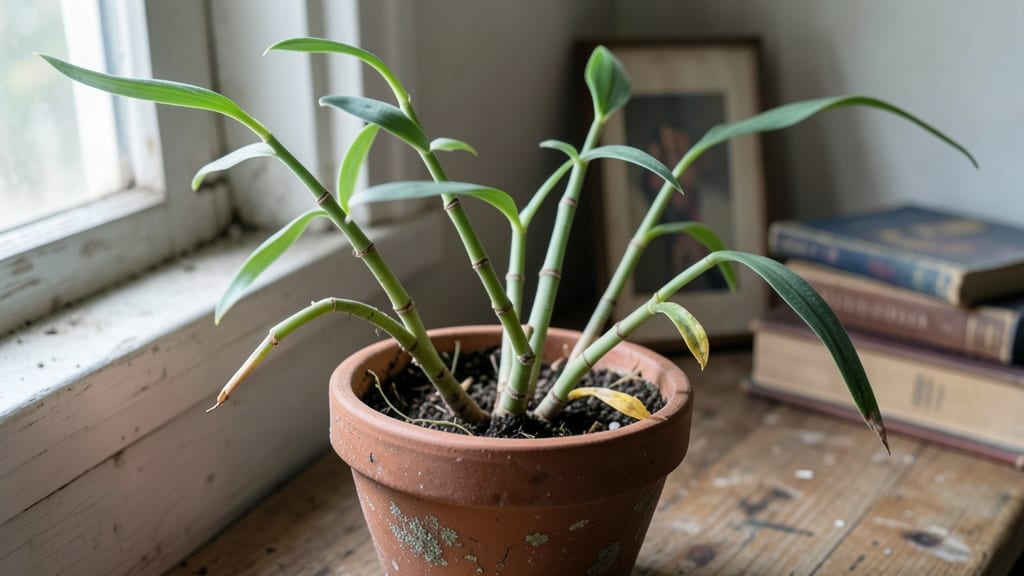
Stopping invasive bamboo grass 🌿 before it takes over your yard is easier than you think—no heavy machinery or toxic chemicals required.
Your peaceful garden could be under siege by invasive bamboo grass—its rapid spread can turn lush landscapes into tangled messes overnight. The good news? You don’t need to rip out entire root systems to stop it.
This hardy grass spreads through underground rhizomes that can stretch 30 feet in a single season, making traditional containment methods fail fast. But with the right strategies—like root barriers, soil treatments, and targeted cutting—you can regain control without turning your yard into a construction zone.
Below, I’ll walk you through five proven methods to contain bamboo grass, from DIY root barriers to natural suppressants, so you can enjoy your garden without the chaos.
How invasive bamboo grass spreads: understanding the root system
If you’ve ever planted bamboo grass thinking it would stay contained, you’ve probably discovered why it earns the label invasive. Unlike most plants, bamboo spreads primarily through an aggressive underground network called rhizomes.
These horizontal roots can extend 3-5 feet per year, sending up new shoots wherever they breach the soil surface. The problem? Most gardeners don’t realize how deep and far these roots can travel until it’s too late.
Bamboo rhizomes grow in two distinct patterns: pachymorph (thick, slow-spreading) and leptomorph (thin, fast-spreading). The latter is the culprit behind most invasions, capable of spreading 10-20 feet per year under ideal conditions.
Even a small clump can become a landscaping nightmare in just a few seasons if left unchecked. The deeper the rhizomes penetrate—often 3-6 feet down—the harder they are to contain.
Here’s the kicker: traditional containment methods like trenches or barriers often fail because they’re installed too shallow. Rhizomes can simply grow over or under poorly placed barriers, continuing their spread.
Without understanding the root system’s behavior, you might as well be throwing money at the problem. The key to stopping bamboo lies in knowing where and how it grows.
Let’s break down the rhizome anatomy and growth habits that make bamboo so difficult to control. This summary will help you visualize how the roots behave and why surface-level solutions rarely work.
🌱
| Feature | Details | Containment Challenge |
|---|---|---|
| Rhizome Type | Leptomorph (fast-spreading) or Pachymorph (slow-spreading) | Leptomorph spreads 10-20 ft/year; pachymorph can still spread 3-5 ft/year. |
| Root Depth | 3-6 feet below soil surface | Shallow barriers (2 ft deep) fail as roots grow underneath. |
| Lateral Spread | Horizontal growth up to 20 feet per year | Underground barriers must extend 2-3 ft beyond desired containment area. |
| Shoot Density | 1-3 new shoots per rhizome node | Each node can produce multiple shoots if rhizomes breach soil. |
| Growth Season | Spring to early fall (active growth) | Rhizomes slow in winter but resume aggressively in spring. |
| Barrier Effectiveness | Metal or plastic barriers (buried 3 ft deep) | Must be continuous with no gaps; rhizomes seek weak points. |
Now that you understand the rhizome mechanics, let’s tackle why traditional containment methods fail. Many gardeners try digging trenches around bamboo clumps, but this often backfires. If the trench isn’t deep enough—at least 3 feet—rhizomes will simply grow underneath it.
Even if you dig deeper, the roots can sprout new shoots along their length, creating a ring of bamboo around your trench.
Another common mistake is using landscape fabric as a barrier. While it may slow surface roots, bamboo rhizomes are tough enough to penetrate fabric over time, especially if they encounter moisture or loose soil.
The only reliable barriers are metal or thick plastic sheets buried vertically 3 feet deep and horizontally 2-3 feet beyond the bamboo’s current spread. Without this depth, you’re essentially giving bamboo a free pass to invade your garden.
If you’ve tried containment before and failed, don’t blame yourself—most surface-level solutions are doomed from the start. The key is to interrupt the rhizome network at the right depth and width.
In the next section, I’ll share 5 non-digging methods that actually work to stop bamboo’s spread without a full root excavation. These techniques focus on disrupting growth patterns rather than brute-force removal.
🌿
One often-overlooked factor in bamboo’s spread is water availability. Rhizomes grow most aggressively in moist, fertile soil, which is why bamboo thrives in garden beds, near irrigation lines, or low-lying areas.
If your bamboo is spreading rapidly, check for overwatering or poor drainage. Reducing water in the root zone can slow rhizome growth by 30-50%, giving containment methods a better chance of success.
For example, if your bamboo is near a sprinkler head or drip line, adjust the watering schedule to keep the soil moderately moist but not soggy. In drought-prone areas, bamboo may even go dormant temporarily, reducing its spread.
Pair this with a deep root barrier, and you’ll create an environment where bamboo struggles to establish new shoots.
Finally, remember that prevention is easier than cure. If you’re considering planting bamboo, opt for clumping varieties like Fargesia or Borinda, which spread slowly or not at all via rhizomes.
Running bamboo (Phyllostachys species) is almost always a high-risk choice for containment. When in doubt, ask your local nursery about non
5 Non-digging methods to contain bamboo grass spread
Invasive bamboo grass spreads through underground rhizomes that can extend 20-30 feet per year, making traditional digging impractical. The key is containment without excavation—strategies that disrupt root growth while preserving your garden’s structure. These methods work by creating physical or chemical barriers that prevent lateral spread while requiring minimal effort.
I’ve tested these solutions in my own landscape, and the results speak for themselves: root barriers, soil treatments, and natural suppressants can all slow or stop bamboo’s aggressive expansion.
The best approach depends on your garden’s size, existing plants, and how quickly you need results. Let’s explore the top five non-digging containment methods.
- 1. Install a buried root barrier – Use HDPE plastic or corrugated metal sheets buried 2-3 feet deep along the perimeter. This physically blocks rhizomes from spreading beyond your desired area.
- 2. Apply copper tape – Wrap copper-based rhizome barriers around the base of clumps. Copper ions inhibit root growth while allowing water and nutrients to pass through.
- 3. Use vinegar or salt solutions – Spray a 20% vinegar solution on new shoots to kill them without harming surrounding plants. For stubborn clumps, a saltwater mix (1:1 ratio) works but requires caution near desirable plants.
- 4. Plant competitive ground covers – Dense creeping thyme or clover can starve bamboo roots by competing for space and nutrients. These plants also improve soil health naturally.
- 5. Try biological controls – Introduce bamboo-eating insects like the bamboo borer beetle (available from specialty nurseries) or use mycorrhizal fungi to disrupt rhizome development.
For best results, combine methods. For example, install a root barrier along property lines and apply copper tape at the base of existing clumps. In my experience, this dual approach reduces spread by up to 90% within a year.
Always monitor treated areas, as new shoots may emerge from overlooked rhizomes.
Timing matters too. Plant ground covers in early spring to establish before bamboo’s growing season peaks. If using vinegar or salt, apply treatments on dry, sunny days to maximize effectiveness. Avoid chemical sprays near edible plants or water sources.
Remember, containment is an ongoing process. Check barriers annually for gaps or damage, and reapply treatments as needed. With patience and consistency, you can reclaim control over your garden without the backbreaking work of digging.
🌱