
Lawn
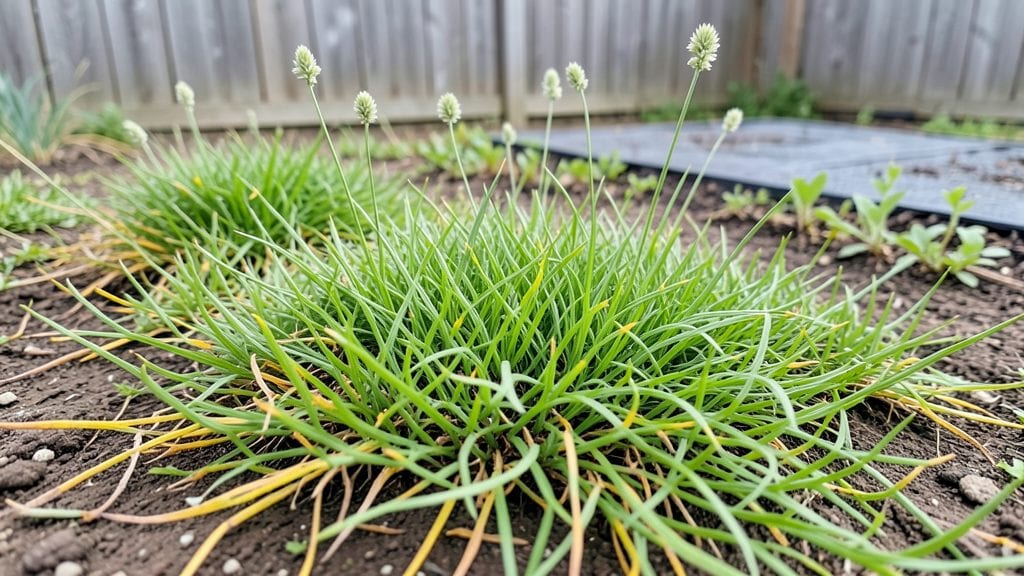
Grass isn't inherently invasive, but certain varieties like Bermuda or Kentucky bluegrass can dominate landscapes through rapid growth, seed dispersal, and expansive root systems, often outcompeting native plants when left unchecked.
While grass itself isn't classified as an invasive species like kudzu or Japanese honeysuckle, its aggressive growth habits in cultivated landscapes can create similar ecological challenges. 🌱 The key difference lies in intent—most turfgrass varieties weren't bred to spread uncontrollably, but their biological adaptations (like underground runners or prolific seeding) make them formidable competitors in managed spaces.
This is why you'll often see monoculture lawns crowding out wildflowers and ground covers, especially in drought-prone regions where native plants struggle to compete.
What makes this particularly relevant for homeowners is how quickly these grasses can transform a balanced ecosystem into a uniform green carpet. For instance, Kentucky bluegrass spreads via both seeds and underground stems called rhizomes, while Bermuda grass uses above-ground stolons to create dense mats.
Without regular maintenance, these traits can turn your carefully landscaped garden into a grass-dominated zone within just a few seasons.
💡 In This Article
- How Grass Spreads and Invades Landscapes
- Managing Grass Growth to Protect Native Plants
How grass spreads and invades landscapes
Here's what's actually happening beneath your lawn: certain grass varieties spread through specialized underground and above-ground structures. Rhizomes are horizontal stems that grow underground, producing new shoots at nodes every 1-2 inches.
Kentucky bluegrass, for example, can extend its rhizomes up to 3 feet in a single growing season, creating a dense network that smothers nearby plants by blocking sunlight and absorbing water.
Meanwhile, stolons (like those in Bermuda grass) spread above ground, forming a mat that roots at nodes every 4-6 inches, effectively choking out competitors through sheer physical dominance.
The science gets even more interesting when you consider seed germination. A single Bermuda grass plant can produce 10,000 seeds per square foot under ideal conditions, with germination rates exceeding 90% in warm, moist soil.
These seeds remain viable for years, waiting for the perfect moment to sprout—often triggered by disturbances like mowing or foot traffic.
Climate plays a huge role here: grasses like tall fescue thrive in cooler northern regions, while warm-season varieties like zoysia dominate southern climates, each adapted to exploit local growing seasons with 3-6 months of rapid growth per year.
What most people don't realize is how soil conditions accelerate this spread. Grass roots exude chemicals called allelochemicals that inhibit the growth of nearby plants, creating a biological moat around their territory.
In sandy soils, these chemicals spread more easily, while clay soils slow their diffusion but trap moisture—giving grasses a competitive edge in both cases. The result?
Native wildflowers and ground covers often can't compete with the grass's ability to monopolize resources, especially in drought conditions where their deeper root systems give grasses an 80% advantage in water access during dry spells.
Consider these key factors when you see grass taking over: temperature, moisture, and disturbance all work together. For instance, Bermuda grass can grow 0.5 inches per day during peak summer months, while cool-season grasses like ryegrass grow most aggressively in spring and fall.
This seasonal timing means grasses often outpace native perennials that have slower growth cycles, particularly in newly disturbed areas where competition is minimal. The visual effect? A once-diverse landscape transforms into a uniform green carpet within 2-3 years without intervention.
Interestingly, some grasses have evolved even more aggressive strategies. Creeping charlie (a type of ground ivy) combines grass-like growth with toxic compounds that further suppress competing plants, while crabgrass forms dense mats that prevent sunlight from reaching the soil surface.
These adaptations explain why even "non-invasive" grasses can create ecological monocultures—where biodiversity plummets and ecosystems become less resilient to pests and diseases. The lesson? Grass isn't inherently evil, but its biological toolkit makes it a formidable competitor when given the right conditions.
Here's the paradox: many grasses we consider "invasive" in landscapes are actually native species that have been selected for their aggressive growth traits. For example, Kentucky bluegrass originated in Europe but spread across North America because of its adaptability.
The key difference is context—what thrives in a managed lawn becomes problematic when it crowds out native species in natural areas. Understanding these mechanisms helps explain why your lawn might look perfect while the nearby meadow struggles with grass dominance.