
Lawn
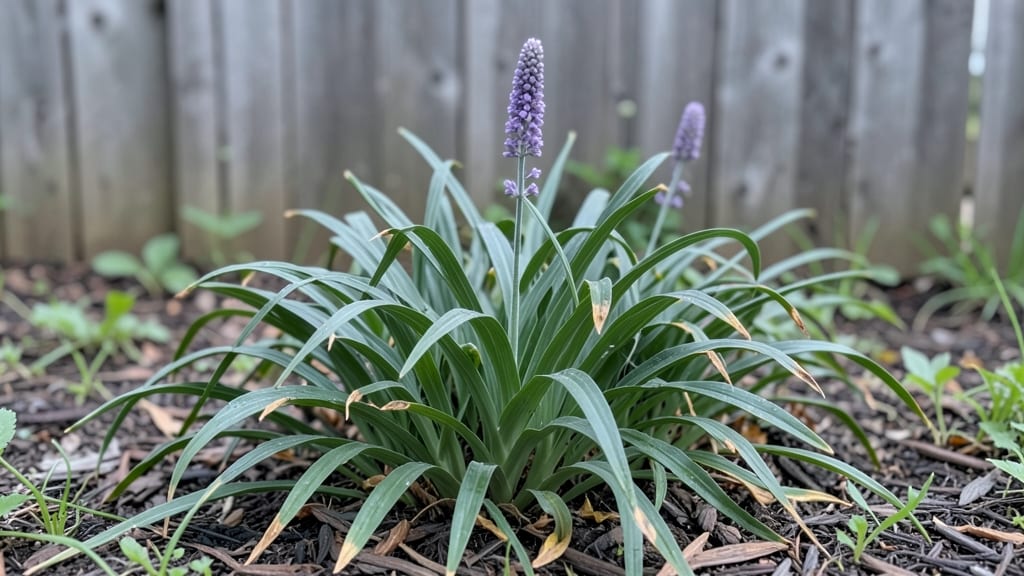
Growing dead monkey grass transforms shady spots into velvety green carpets that stay lush all year. 🌿 I’ve battled invasive ground covers for years, but this one finally gave me the dense, low-maintenance look I wanted—without taking over like mint.
The secret lies in its love for shade and moisture, plus a few simple tricks to keep it tidy.
Start with partial to full shade and well-draining soil—it thrives where most lawns give up. Planting in 3-inch-deep trenches spaced 12 inches apart creates that signature thick mat without the wild spread.
Water deeply once a week (more in summer), and you’ll see those signature grass-like blades fill in within 4-6 weeks.
By late summer, you’ll have a smooth, weed-blocking ground cover that handles foot traffic and drought better than most turf. The key? Cutting back flower spikes in early summer to redirect energy into foliage. No more bare patches, no more weeds—just that neighborhood-worthy density.
Works in containers too—great for patios or window boxes. The only downside? It does spread slowly if unchecked. Here’s how to keep it in line while enjoying its year-round green magic.
The Hidden Causes Behind Dying Grass
Monkey grass (often Liriope muscari or World grass) is a resilient, ornamental ground cover—but even the toughest plants can turn brown and crispy if conditions go wrong. Understanding the root causes (literally and figuratively) is the first step to reviving it.
Below, we break down the science behind why your monkey grass might be dying, so you can fix it fast.
###
💧 Overwatering or Poor Drainage
Monkey grass thrives in well-draining soil, but too much water—especially in heavy clay or compacted ground—can suffocate roots. Here’s why it happens:
- Root Rot: Excess moisture cuts off oxygen, triggering Phytophthora or Pythium fungi. These pathogens feast on roots, turning them mushy and black. Look for: Yellowing leaves, a foul smell at the base, and grass pulling away from the soil.
- Salt Buildup: If your water has high mineral content (common in tap or well water), salts accumulate in the soil. This disrupts nutrient uptake, causing fertilizer burn-like symptoms even without extra fertilizer.
- Waterlogged Soil: Clay-heavy soils or low-lying areas trap water. Monkey grass roots need 60% air and 40% water—any more, and they drown.
Actionable Fix:
- Test your soil’s drainage: Dig a 6-inch hole, fill it with water, and time how long it takes to drain. If it’s <1 hour, amend with sand or perlite.
- Water deeply but infrequently—aim for 1–1.5 inches per week (including rain). Use a soaker hose to avoid wetting leaves.
- For salty water: Flush the soil with rainwater or distilled water 2–3 times a year.
###
☀️ Extreme Heat or Sunburn
Monkey grass loves sunlight but can scorch in intense, dry heat—especially in USDA Zones 8–10 or during summer droughts. Here’s the science:
- Transpiration Stress: When soil moisture drops below 30%, grass cells lose water faster than roots can replace it. Leaves curl and crisp as a protective response.
- UV Damage: Direct afternoon sun (1–5 PM) can bleach chlorophyll, turning leaves white or straw-colored. This is common in sandy soils, which reflect heat.
- Heat Shock: Sudden temperature spikes (e.g., 95°F+) disrupt cell membranes, causing oxidative stress and leaf death.
Actionable Fix:
- Provide afternoon shade (30–50%) with a lattice or tall plants like ornamental grasses.
- Mulch with 2–3 inches of straw or wood chips to retain moisture and cool roots.
- Water early morning (5–8 AM) to reduce evaporation. Avoid evening watering—it promotes fungal growth.
###
❄️ Cold or Freeze Damage
While monkey grass is cold-hardy (most varieties tolerate Zone 5–10), prolonged sub-freezing temps or wet winters can kill it. Here’s how:
- Cell Freezing: Water in plant cells expands when it freezes, rupturing cell walls. This causes brown, mushy patches that stay dead even after thawing.
- Fungal Infections: Wet, freezing soil (e.g., 32°F with high humidity) creates the perfect conditions for snow mold (Typhula species), which smothers grass.
- Desiccation: Windy winter days dry out exposed leaves, while frozen roots can’t absorb water. The result? Brittle, straw-like foliage.
Actionable Fix:
- Apply a 4-inch layer of mulch (straw or leaves) before the first frost to insulate roots.
- In Zone 5 or colder, choose Liriope muscari (hardier than World grass) and plant in south-facing slopes for better sun exposure.
- If snow mold appears (white, cottony growth), rake away debris and avoid foot traffic until soil warms to 50°F+.
###
🌱 Nutrient Deficiencies or Toxicity
Monkey grass is low-maintenance, but imbalanced soil can starve it or poison it. Common culprits:
- Nitrogen Deficiency: Pale yellow leaves (especially older ones) signal low nitrogen. This weakens roots, making grass susceptible to drought or disease.
- Potassium Deficiency: Brown edges on leaves (like a "scorched" look) mean potassium is lacking. Potassium regulates water and disease resistance.
- Iron Chlorosis: Yellow leaves with green veins (common in alkaline soil, pH >7.5) indicate iron unavailability. Roots can’t absorb it, even if it’s in the soil.
- Over-Fertilizing: Too much synthetic nitrogen (e.g., 20-10-10 fertilizer) burns roots, turning leaves dark brown and crisp.
Actionable Fix:
- Test soil pH: Aim for 6.0–7.0. Amend with sulfur (to lower pH) or lime (to raise it) as needed.
- Feed lightly: Use a balanced fertilizer (10-10-10) in early spring and fall. Avoid summer feeding—it encourages weak growth.
- For chlorosis: Apply chelated iron (e.g., Ironite) or use compost tea to boost microbial activity.
Pro Tip: 💡 Before diagnosing, rule out pests! Check the undersides of leaves for aphids, spider mites, or scale insects—they sap nutrients, mimicking deficiency symptoms. A strong spray of neem oil often resolves the issue.
Fixing Brown or Dying Monkey Grass
Reviving your monkey grass (Liriope muscari) doesn’t have to be a mystery—even if it’s looking patchy or lifeless. Below are practical, step-by-step fixes based on the most common causes, plus prevention tips to keep it thriving year-round.
🌱 Fixing Overwatering or Poor Drainage
Signs: Yellowing leaves, mushy stems, or grass that feels soggy to the touch.
How to Fix It:
- 🔥 Stop Watering Immediately – Let the soil dry out completely before watering again.
- 🍳 Improve Drainage – Amend heavy clay soil with organic matter (compost or sand) to help water flow away.
- 👨🍳 Raise Planting Beds – If possible, elevate the area slightly to prevent water pooling.
- ⏰ Adjust Watering Schedule – Water deeply but infrequently (1-2 inches per week, depending on climate).
Prevention Tips: ✔ Test your soil – A simple drainage test (dig a hole, fill with water, and see how long it takes to drain) helps. ✔ Avoid mulch piles – Keep mulch 2-3 inches away from the base to prevent rot.
☀️ Reviving Sunburnt or Stressed Grass
Signs: Crispy, brown leaf tips or a faded, wilted appearance.
How to Fix It:
- 🌡️ Provide Afternoon Shade – If in a hot, sunny spot, add partial shade (dappled sunlight or a light shade cloth).
- 💧 Increase Watering (Temporarily) – Water early in the morning to reduce evaporation.
- 🎯 Trim Damaged Foliage – Snip off dead or crispy tips with clean shears to encourage new growth.
- ✨ Fertilize Lightly – Use a balanced, slow-release fertilizer (10-10-10) to boost recovery.
Prevention Tips: ✔ Choose the right variety – Some monkey grass (like Liriope spicata) tolerates more sun than others. ✔ Mulch properly – A 2-inch layer of mulch retains moisture without smothering roots.
🍄 Treating Fungal or Pest Damage
Signs: Black spots, white powdery mildew, or holes in leaves from insects.
How to Fix It:
- 🔪 Prune Infected Areas – Remove severely damaged leaves and dispose of them (don’t compost).
- 💡 Apply Fungicide – Use a copper-based or neem oil spray for fungal issues.
- 🐜 Combat Pests – Spray with insecticidal soap or introduce beneficial nematodes for grubs.
- 🌿 Improve Airflow – Thin out dense plantings to reduce humidity around the base.
Prevention Tips: ✔ Water at the base – Avoid wetting foliage to prevent fungal spores from spreading. ✔ Rotate treatments – If pests return, switch up natural remedies (e.g., garlic spray after neem oil).
🌿 General Revival Steps for All Issues
If your monkey grass is completely dormant (common in winter or extreme heat), try this:
- 🍳 Check Soil Moisture – Stick your finger 1-2 inches deep; if dry, water lightly.
- 🔥 Trim Back Dead Growth – Cut back brown, crispy leaves to redirect energy to healthy roots.
- 💪 Fertilize in Spring – Use a low-nitrogen, high-potassium fertilizer (5-10-10) to encourage regrowth.
- 🌱 Divide Overcrowded Clumps – If the center is bare, dig up and split the plant every 3-4 years to rejuvenate it.
Pro Tip: 💡 Patience is key! Monkey grass is tough—it may take 4-6 weeks to show new growth after fixes. If it’s still struggling after a month, consider replanting in a better spot with well-draining soil.
Frequently asked questions
Is dead monkey grass the same as liriope or world grass?
No, they’re related but different! Dead monkey grass (Dichondra argentea) is a trailing, silvery ground cover, while liriope (commonly called monkey grass) and world grass (Mondo grass) are upright, clumping ornamental grasses. All three thrive in shade but have distinct textures and growth habits.
Why does dead monkey grass spread so aggressively?
This plant spreads via stolons (horizontal runners) and self-seeding. While it’s not invasive like mint, it can fill gaps quickly. To control it, trim runners in early spring or plant in containers with deep borders. It’s perfect for erosion control but needs boundaries!
Can dead monkey grass survive in full sun?
It prefers partial to full shade but can handle morning sun in cooler climates. In hot zones (Zones 8–10), afternoon shade is a must—otherwise, leaves crisp and turn brown from heat stress. Test a small patch first if your yard is sunny.
How do I keep dead monkey grass from dying in winter?
Mulch with 2–3 inches of straw before frost to insulate roots. In Zone 5 or colder, choose Dichondra argentea varieties labeled cold-hardy. Avoid overwatering in winter—soggy soil leads to rot. Most varieties bounce back in spring with new growth.
Is dead monkey grass pet-safe?
Yes! It’s non-toxic to dogs, cats, and horses, making it a great pet-friendly ground cover. Unlike some ornamental grasses, it won’t irritate paws or cause stomach upset if nibbled. Just avoid fertilizers with high nitrogen—they can irritate pets.