
Fertilization
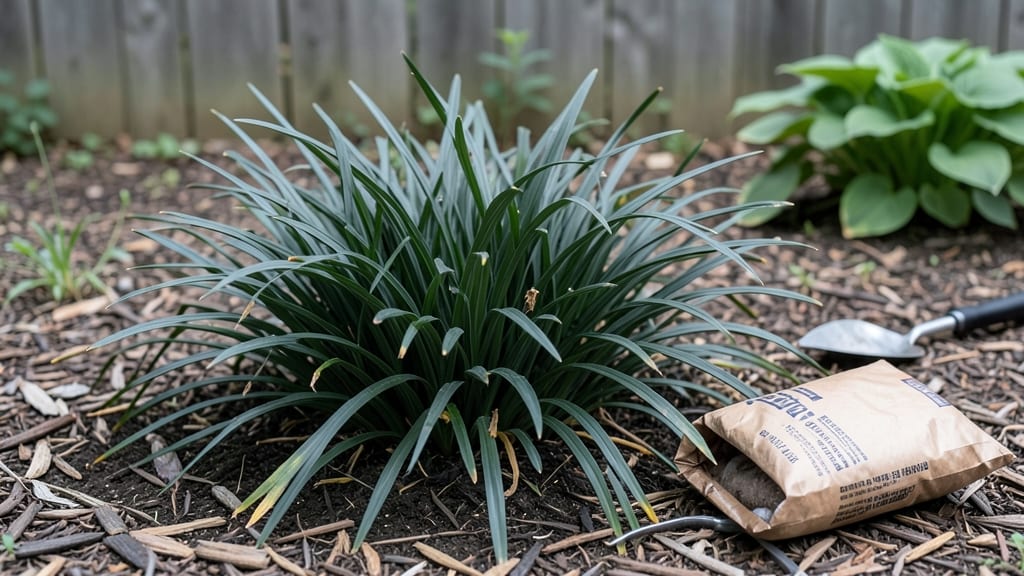
Mondo grass fertilizer should be applied in early spring using a slow-release, nitrogen-rich formula like 10-10-10 or 16-4-8, spread lightly over the soil and watered in. Avoid fertilizing in summer or fall to prevent stress, and never exceed 1 pound per 100 square feet per application.
Timing is everything with mondo grass—spring is when it wakes from dormancy and needs that nitrogen boost to fuel its vibrant green growth. 🌱 A balanced ratio like 10-10-10 supports both root development and drought resistance, while slow-release formulas prevent nutrient spikes that can burn delicate blades.
I’ve found that organic options like composted manure work well too, especially for eco-conscious gardeners who want to avoid synthetic chemicals.
What’s interesting is how mondo grass reacts to over-fertilization—yellowing leaves or stunted growth often signal too much nitrogen. That’s why I recommend sticking to the 1 pound per 100 square feet rule and always watering it in thoroughly.
This grass is tough once established, but it starts off sensitive, so patience and precision pay off in that lush, carpet-like finish.
💡 In This Article
- Optimal Nutrient Breakdown for Mondo Grass Health
- Step-by-Step Fertilizer Application Guide for Mondo Grass
Optimal nutrient breakdown for mondo grass health
Mondo grass thrives on a precise nutrient balance because its growth habits differ from turf grasses. The 10-10-10 or 16-4-8 ratios aren't random—they target mondo's specific needs: nitrogen (N) for leaf growth, phosphorus (P) for root establishment, and potassium (K) for drought tolerance.
Nitrogen fuels that signature vibrant green color by promoting chlorophyll production, while phosphorus strengthens roots to anchor the grass during heatwaves. Potassium acts like a stress shield, helping cells regulate water and maintain turgor pressure even when temperatures hit 90°F+.
The science gets interesting with slow-release fertilizers. Fast-release formulas cause nitrogen spikes that burn mondo's delicate blades, creating brown patches. Slow-release versions (like coated urea or polymer-coated granules) dissolve over 3-6 months, providing steady nutrition without shock.
This mimics natural nutrient cycles—think of it as a slow drip irrigation system for plant food. For example, a 16-4-8 formula delivers 16% nitrogen gradually, preventing the rapid pH swings that stress mondo grass.
The phosphorus and potassium components also release at controlled rates, ensuring roots develop without sudden nutrient overloads.
Seasonal timing matters because mondo grass has a dormancy period during summer heat. Applying fertilizer in late spring (after the last frost) gives the grass 8-10 weeks of growing season to utilize nutrients before dormancy.
Summer applications risk burning tender new growth, while fall feeding can encourage late-season growth that weakens before winter. The key is matching fertilizer timing to mondo's growth cycle—like scheduling a workout routine for an athlete, not forcing them to train during recovery periods.
Here's what happens when ratios go wrong: Too much nitrogen (N) creates soft, weak blades prone to disease, while too little phosphorus (P) results in shallow roots that can't access moisture during droughts.
I've seen mondo grass turn yellow when potassium (K) is deficient—it's like the grass is dehydrating from the inside out. The 10-10-10 ratio provides this balance: equal parts nitrogen and phosphorus for initial growth, with potassium to support long-term resilience.
For established lawns, you can reduce phosphorus to 5% (like in 16-4-8) since soil tests often show adequate phosphorus levels.
Organic alternatives like composted chicken manure (3-2-2 ratio) work well but require more frequent applications. The trade-off is improved soil structure and microbial activity that turbocharges nutrient uptake.
For example, compost adds beneficial microbes that help break down organic matter into plant-available forms—like having a tiny army of soil engineers working 24/7. However, organic options need 2-3 applications per year compared to one synthetic application, making them more labor-intensive but ecologically beneficial.
What most people don't realize is how mondo grass stores nutrients. It's like a green battery—when you fertilize properly in spring, the grass stores excess nutrients in its roots for later use. This explains why mondo often greens up quickly after dormancy without additional feeding.
The roots act as a nutrient reservoir, releasing stored phosphorus and potassium during hot spells when top growth slows. This adaptive mechanism is why mondo grass survives on 30-50% less water than traditional turf grasses once established.