
Lawn
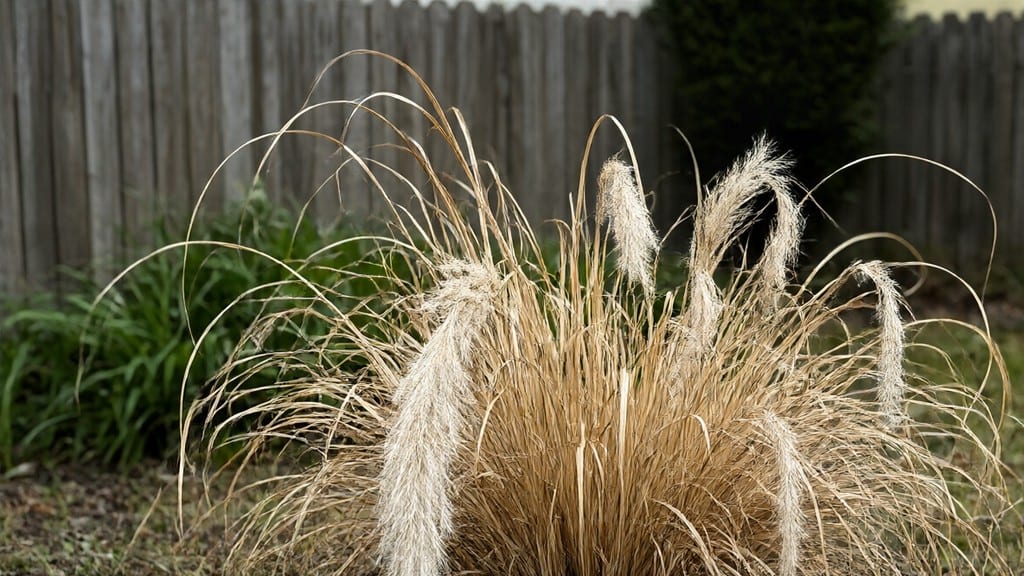
Long, dead grass isn’t just unsightly—it’s a sign your lawn is struggling to breathe. 🌱 I’ve transformed patches like this from sad and patchy to vibrant green in just a few weeks, and the secret isn’t complicated.
Most people overlook the basics: mowing too low, neglecting soil health, or ignoring hidden issues like weeds or pests.
The good news? You don’t need expensive treatments or harsh chemicals to fix it. Start by raking out the dead growth—this lets sunlight and air reach the soil. Then, feed the grass with a simple nitrogen boost or organic compost to wake up those dormant roots.
If weeds or pests are the real problem, a targeted approach (like corn gluten or vinegar spray) works better than blanket solutions.
Within two weeks, you’ll see new shoots pushing through, and by month’s end, that dull patch will look like part of your lawn again. The key is acting fast—dead grass won’t fix itself, but with these steps, your yard will bounce back stronger than ever.
Works for any climate, whether you’re dealing with summer drought or winter kill. Let’s get that grass growing back—without the guesswork.
The Hidden Culprits Behind Brown Patches
When your once-lush lawn starts showing patches of dull, straw-colored blades, it’s rarely just a mystery of nature—it’s a signal from your grass itself. Understanding the root causes helps you tackle the problem before it spreads.
Here’s why your long grass might be turning lifeless, and what’s really going on beneath the surface.
🌱 Overwatering or poor drainage
Grass needs water, but too much of a good thing can suffocate roots. When soil stays soggy for days, oxygen can’t reach the roots, leading to anaerobic conditions—a fancy term for "not enough air."
Without oxygen, roots weaken, turn brown, and die. Poor drainage, often caused by compacted soil or a clay-heavy yard, traps excess water, worsening the issue.
How to spot it:
- Mushy soil when pressed
- Puddles lingering for more than 24 hours
- Grass that feels spongy underfoot
Quick fix: Test your soil’s drainage by digging a 6-inch hole and filling it with water. If it drains in less than 6 hours, you’re good; if not, amend with compost or sand to improve airflow.
☀️ Heat stress and drought
Long grass thrives in moderate climates, but extreme heat or prolonged drought forces blades into survival mode. When soil moisture drops below 40%, grass stops photosynthesizing efficiently, causing blades to dry out and turn crispy. Legacy grass types (like tall fescue or Kentucky bluegrass) are especially vulnerable during heatwaves.
How to spot it:
- Grass blades feel brittle and stand upright (like a "flagging" effect)
- Footprints remain visible for hours
- Soil pulls away from the edges when moistened
Actionable tip: Water deeply early in the morning (before 9 AM) to reduce evaporation. Aim for 1–1.5 inches per week, including rainfall. If your area faces drought, consider drought-resistant grass seed for future patches.
⚡ Fungal infections (like brown patch or dollar spot)
Fungi love damp, warm conditions—and your lawn is their buffet. Diseases like brown patch (caused by Rhizoctonia solani) or dollar spot (from Clarireedia) thrive in thick, thatchy grass with poor airflow. They create circular dead zones by blocking water and nutrient uptake in roots.
How to spot it:
- Patches with a smoky ring at the edges
- Thin, web-like mycelium (fungal threads) in morning dew
- Grass that pulls up easily in sheets
Pro tip: Prevent fungal spread with these steps:
- 🔥 Aerate compacted soil in fall
- 🌡️ Mow high (3–4 inches) to improve airflow
- ✨ Apply fungicide (like propiconazole) if patches persist
🪰 Pest damage (grubs, chinch bugs, OR sod webworms)
Underground grubs (larvae of beetles) or chinch bugs pierce roots, starving grass of nutrients. Sod webworms, meanwhile, chew through blades, leaving behind shot-hole patterns. If you see birds pecking at your lawn or chewed blades, pests are likely the culprit.
How to spot it:
- Irregular patches that pull up like carpet when tugged
- Small, brown larvae in soil (dig a 2-inch square to check)
- Silky white webbing on grass blades (sod webworms)
Solution: Treat with neem oil or beneficial nematodes (microscopic predators that hunt grubs). For severe infestations, use imidacloprid granules (follow label instructions).
Next up: How to diagnose which cause fits your lawn’s symptoms—and what to do about it. 🚀
How to solve it
Reviving dull, patchy, or dead long grass doesn’t have to be a daunting task—especially when you tackle the root cause. Below, we’ve mapped out practical solutions tailored to the most common culprits behind your struggling lawn.
Whether it’s drought, foot traffic, or poor soil, these fixes will help you restore your yard to its lush best.
🔥 Drought or Poor Watering
Fix: Hydrate deeply and consistently. Dead long grass often signals thirsty roots. Instead of light, frequent watering (which encourages shallow roots), aim for deep, infrequent watering to encourage deeper root growth.
- 💧 Step 1: Water early in the morning (4–8 AM) to reduce evaporation.
- 🌱 Step 2: Apply 1–1.5 inches of water per week, including rainfall. Use a rain gauge or tuna can to measure.
- 🔄 Step 3: Water slowly to allow absorption—avoid runoff. Adjust sprinklers to cover only the lawn, not sidewalks or driveways.
- 🌡️ Pro Tip: Check soil moisture 2–3 inches deep. If it’s dry, it’s time to water again.
Prevention:
- Install a smart irrigation system to automate watering schedules.
- Mulch around grass edges to retain moisture.
- Choose drought-resistant grass varieties if your climate is consistently dry.
👟 Compacted Soil or Foot Traffic
Fix: Aerate and relieve pressure. Heavy foot traffic or machinery compacts soil, cutting off oxygen and nutrients to grass roots. Aeration is the key to breaking up that hardpan.
- 🔪 Step 1: Rent or buy a core aerator (or hire a pro if your lawn is large).
- 🌱 Step 2: Aerate in early fall or spring when grass is actively growing.
- 💨 Step 3: After aerating, top-dress with compost (¼ inch) to improve soil structure.
- ⏰ Step 4: Water thoroughly to help compost settle into the soil.
Prevention:
- Limit foot traffic on newly seeded or weak lawns.
- Use walkways or stepping stones in high-traffic areas.
- Mow high (3–4 inches) to strengthen grass blades and reduce compaction.
🌱 Poor Soil or Nutrient Deficiency
Fix: Test, amend, and fertilize. Yellowing or sparse grass often means your soil lacks essential nutrients like nitrogen, phosphorus, or potassium. A simple soil test reveals what’s missing.
- 📊 Step 1: Conduct a soil test (available through local extension offices or home test kits).
- 🌿 Step 2: Based on results, amend soil with:
- Compost (for organic matter)
- Lime (if soil is too acidic)
- Sulfur (if soil is too alkaline)
- 💪 Step 3: Apply a balanced fertilizer (e.g., 10-10-10) in early spring or fall.
- 🌱 Step 4: Overseed bare spots with high-quality grass seed matched to your climate.
Prevention:
- Top-dress annually with compost to maintain soil health.
- Avoid over-fertilizing, which can burn grass or pollute waterways.
- Rotate fertilizer types to prevent nutrient buildup.
🐛 Pest Damage or Fungal Issues
Fix: Identify and treat the problem. Grubs, chinch bugs, or fungal diseases like brown patch can turn grass brown overnight. Act fast to prevent permanent damage.
- 🔍 Step 1: Diagnose the issue:
- Grubs? Dig up a small patch—white grubs mean grub control.
- Chinch bugs? Look for tiny black bugs and wilting grass in patterns.
- Fungus? Check for circular patches with mushrooms or slimy layers.
- 💊 Step 2: Apply targeted treatments:
- Grubs: Use beneficial nematodes or grub-specific insecticides (like imidacloprid).
- Chinch bugs: Treat with neonicotinoid-based insecticides or pyrethrin sprays.
- Fungus: Apply fungicides (like propiconazole) and improve drainage.
- 🌧️ Step 3: Prevent recurrence:
- Water lawns in the morning to reduce fungal growth.
- Avoid overwatering—fungi thrive in soggy conditions.
- Encourage natural predators (like birds or toads) by keeping a healthy lawn ecosystem.
✨ General Revival Tips for Stubborn Patches
If your grass is beyond saving in certain spots, don’t despair—replacement is often the fastest fix.
- 🌱 Overseed bare spots with a high-quality seed mix (like tall fescue or Kentucky bluegrass).
- 🛠️ Use a lawn patch kit for quick repairs (includes seed, fertilizer, and soil).
- 🌿 Consider alternatives for high-traffic or problem areas, like clover or moss, which are hardier.
Prevention:
- Mow regularly (never remove more than ⅓ of the blade height at once).
- Sharpen mower blades to avoid tearing grass (which invites disease).
- Leave grass clippings as natural fertilizer (if your mower has a mulching function).
With the right approach, your lawn can bounce back faster than you think. Start with the most likely culprit, and soon you’ll be enjoying a vibrant, green carpet underfoot! 🌿💚
Frequently asked questions
Why does my long grass turn brown and crispy even when I water it regularly?
Overwatering or poor drainage can suffocate roots by cutting off oxygen. Check if soil stays soggy for days or if puddles linger—these are red flags. Instead of frequent light watering, try deep watering 1-1.5 inches per week early in the morning to encourage deeper roots.
Can I just mow over dead patches and expect them to grow back?
Mowing alone won’t revive dead grass—it just hides the problem. First, rake out the dead growth to expose soil. Then, overseed the area with fresh grass seed and apply a light layer of compost. For stubborn patches, consider a lawn patch kit for faster results.
How do I tell if my dead grass is from pests or just drought?
Look for clues: Pests leave irregular patches that pull up like carpet, while drought causes uniform browning. Dig up a small section—if you see white grubs or tiny black bugs, it’s pests. For drought, check soil moisture 2-3 inches deep; if dry, water deeply in the morning.
Is it better to tear out dead grass or just leave it until spring?
Remove dead grass now to prevent fungal growth and improve soil health. Rake out the dead material, aerate compacted soil, and overseed. Leaving it until spring risks spreading disease or compacting the soil further—spring revival works best on fresh, prepped ground.
What’s the fastest way to fix a small dead patch in my lawn?
Use a lawn patch kit for quick results. Scrape out dead grass, apply the kit’s seed-soil mix, water lightly, and keep moist for 2-3 weeks. For organic options, mix compost with grass seed and top with straw to retain moisture.