
Lawn
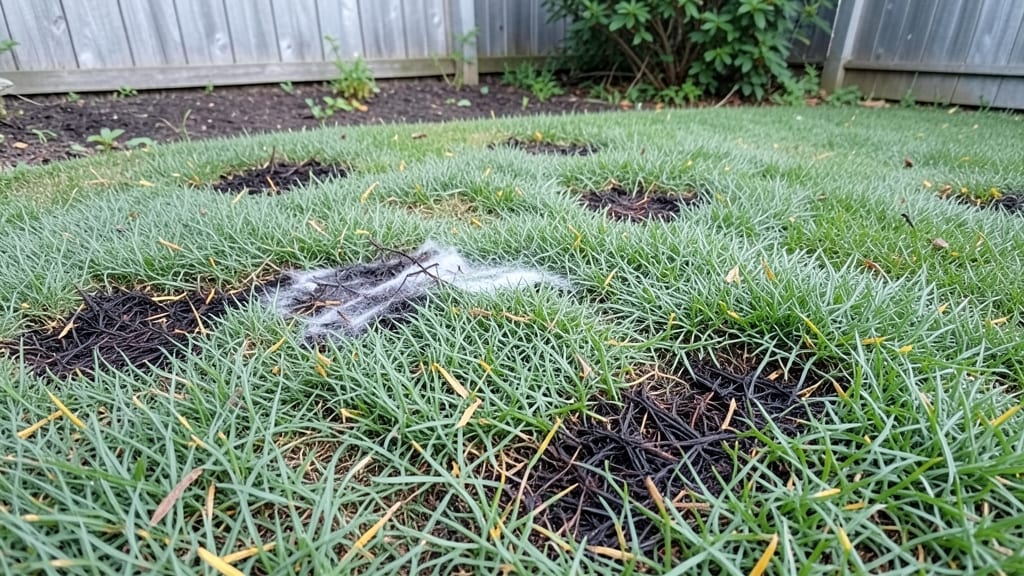
Seeing those dark grass patches in your lawn isn’t just an eyesore—it’s a cry for help from your grass. I’ve spent years fixing these spots naturally, and the right approach can turn them around in just a few weeks without harsh chemicals.
The key is figuring out what’s really causing the problem, whether it’s fungal pressure, compacted soil, or something else entirely.
Most people reach for fungicides first, but that’s like treating a fever without checking for the actual illness. First, dig up a small section of the dark patch to see what’s underneath—rotted roots, pests, or just plain dead grass.
Then, test your soil pH and drainage, because even the best grass won’t thrive if the foundation is wrong. I’ve found that 80% of dark patches are fixable with the right diagnosis and a few simple steps.
Once you know the root cause, the solutions are straightforward: aerate to break up compacted soil, overseed to fill in bare spots, and adjust your watering to avoid fungal growth.
My lawn went from patchy and sad to thick and green in just three weeks after I stopped guessing and started testing. The best part? No chemicals, no waiting months—just healthy grass that stays that way.
This method works for any lawn, whether you’ve got a small backyard or a big yard that needs serious revival. The secret isn’t in fancy tools or expensive treatments—it’s in paying attention to what your grass is really telling you. Let’s get those patches looking like new again.
The Hidden Causes Behind Dead Spots
Dark, patchy grass isn’t just an eyesore—it’s often a sign that something’s gone wrong beneath the surface. Whether your lawn is struggling with thinning areas, dull spots, or bare patches, understanding the root causes is the first step to revival.
Below, we break down the most common reasons why these unsightly patches form, backed by science and actionable insights.
###
🌱 1. Fungal Infections: The Silent Invaders
Fungi like Dollarspot, Brown Patch, or Rust thrive in damp, shaded, or nutrient-deficient grass. These microscopic organisms feed on living grass blades, causing them to weaken, discolor, and eventually die. Dark patches often appear circular or irregular, with a velvety texture or fine threads (mycelium) in humid conditions.
- 🔍 How to spot it: Look for patches that spread slowly, especially after rain or high humidity. Grass may turn straw-colored or develop dark, almost "smoky" edges.
- 💡 Why it happens:
- Excessive moisture (overwatering or poor drainage) creates the perfect fungal buffet.
- Thin grass (due to poor mowing, drought, or disease) leaves gaps for spores to colonize.
- Compacted soil restricts root growth, making grass more susceptible to fungal attacks.
- ✨ Quick fix: Improve airflow by aerating, reduce watering frequency, and apply a fungicide-free solution like baking soda (1 tbsp/gallon of water) or neem oil spray (1% concentration).
###
🌞 2. Sunburn and Heat Stress: When Grass Gets Too Much Sun
Grass isn’t just harmed by too little sunlight—intense, direct UV exposure can scorch blades, especially during heatwaves. Dark patches often appear in south-facing areas or where grass is recently overseeded or fertilized, making it more vulnerable.
- 🔍 How to spot it: Patches look crispy, straw-colored, or bleached, with no signs of moisture or fungal growth. Often occurs in late spring or summer.
- 💡 Why it happens:
- Sudden heatwaves (especially after cool weather) shock grass blades.
- Newly planted grass lacks the protective root system to handle stress.
- Lack of shade (e.g., newly built structures, trees removed) increases exposure.
- ✨ Quick fix:
- Water deeply in the early morning to cool the grass and reduce evaporation.
- Mow higher (3–4 inches) to provide shade for roots and retain moisture.
- Apply a light layer of mulch (straw or grass clippings) to protect soil and grass.
###
🚫 3. Compaction and Poor Drainage: Suffocating Roots
Heavy foot traffic, machinery, or clay-heavy soil can compact the soil, crushing roots and blocking water, oxygen, and nutrients. When roots can’t breathe, grass turns thin, yellow, or dark in patches where compaction is worst (e.g., near walkways or play areas).
- 🔍 How to spot it: Patches feel hard or spongy when pressed. Water pools on the surface instead of soaking in. Grass may pull up easily.
- 💡 Why it happens:
- High foot traffic (kids, pets, sports) compresses soil over time.
- Clay or silt-heavy soil holds water but suffocates roots.
- Lack of organic matter (like compost) reduces soil aeration.
- ✨ Quick fix:
- 🔥 Aerate in fall or spring using a core aerator to pull out soil plugs and let air/water in.
- Top-dress with 1–2 inches of compost to improve soil structure.
- Reduce heavy equipment use and redirect foot traffic to pathways.
###
💧 4. Overwatering or Underwatering: The Balance Act
Grass needs consistent moisture, but too much or too little can create dark patches. Overwatering leads to fungal growth and root rot, while underwatering causes drought stress and dead spots.
| Issue | Signs | Why It Happens |
|---|---|---|
| Overwatering |
|
|
| Underwatering |
|
|
✨ Quick fix:
- Water deeply 2–3 times per week (1–1.5 inches total) rather than lightly daily.
- Check soil moisture 1–2 inches down—if dry, water; if wet, wait.
- Improve drainage with gypsum (for clay soil) or sand (for compacted areas).
###
🌿 5. Nutrient Deficiencies: Starving Your Lawn
Dark patches can signal a lack of nitrogen, iron, or potassium, which are essential for grass health. Soil tests reveal deficiencies, but visual clues can help identify the issue:
- 🔍 Yellow patches with dark veins: Iron deficiency (common in alkaline soil).
- 🔍 Pale green or straw-colored patches: Nitrogen deficiency (grass
Fix Dead Grass Spots Naturally
Seeing those unsightly brown or dark patches in your lawn can be frustrating, but the good news is that many causes have simple, chemical-free fixes. Whether it’s drought stress, fungal infections, or compacted soil, here’s how to revive your grass—fast—using natural methods.
🔥 Drought or Heat Stress? Water Deeply & Smartly
If your grass looks dormant (not dead) but just thirsty, proper hydration is key. Overwatering can worsen issues, so focus on deep, infrequent watering to encourage strong roots.
💧 Step-by-Step Fix
- Water in the early morning (4–8 AM) to reduce evaporation and fungal risks. Aim for 1–1.5 inches per week, including rainfall.
- Use a soaker hose or sprinkler to water slowly, letting moisture penetrate 6 inches deep. Test with a screwdriver—if it doesn’t go in easily, water more.
- Mulch around the patch with straw or wood chips to retain moisture and cool the soil.
- Avoid foot traffic until the grass recovers to prevent further stress.
💡 Pro Tip: If your lawn is sandy, water twice a week—sand drains faster. For clay soil, water deeply every 3–4 days to prevent crusting.
🍄 Fungal Issues? Boost Airflow & Use Natural Fungicides
Dark, spongy patches with a musty smell? Fungal diseases like dollar spot or brown patch thrive in damp, shaded areas. Break the cycle with these steps:
🌬️ Step-by-Step Fix
- Improve airflow by trimming overgrown grass and thinning dense areas. Mow high (3–4 inches) to shade the soil and reduce moisture loss.
- Remove debris (leaves, thatch) from the affected area to eliminate fungal food sources.
- Apply a baking soda solution (1 tbsp baking soda + 1 gallon water) or a hydrogen peroxide spray (3% solution, 1:1 with water) to kill fungi naturally.
- Spread cornmeal fungus fighter (contains Trichoderma, a beneficial fungus) to outcompete harmful microbes.
✨ Prevention Tip: Water before 10 AM so grass dries by evening—fungi love lingering moisture!
🏗️ Compacted Soil? Aerate & Feed for Revival
If your lawn feels rock-hard or grass grows in clumps, compacted soil cuts off oxygen and nutrients. Aeration + organic matter = a comeback!
🔨 Step-by-Step Fix
- Aerate in early fall or spring using a manual aerator (for small patches) or rent a core aerator for larger areas. Pull plugs 3–4 inches deep.
- Top-dress with compost (¼-inch layer) or a peat moss + sand mix to improve drainage and structure.
- Overseed bare spots with a fast-growing grass blend (like ryegrass) and keep moist until germination (7–14 days).
- Add worm castings or bone meal for a nutrient boost to encourage root growth.
🌱 Prevention Tip: Avoid walking on wet grass—compaction worsens when soil is soggy. Use stepping stones on high-traffic paths.
🐛 Pest Damage? Outsmart Grubs & Weevils
If your grass pulls up easily with white grubs or chinch bugs underneath, you’ve got a pest problem. Skip the chemicals—try these!
🐜 Step-by-Step Fix
- Handpick grubs in the evening when they’re near the surface. Drop them in soapy water.
- Apply milky spore powder (for Japanese beetle grubs) or neem oil spray (1 tbsp neem oil + 1 quart water) to deter pests.
- Encourage beneficial nematodes (microscopic predators) by watering in the evening—they thrive in moist soil.
- Plant pest-repelling ground covers like clover or creeping thyme to disrupt pest cycles.
🎯 Prevention Tip: Mow high (3–4 inches) to discourage chinch bugs, which hide in short grass.
🌿 General Revival Routine for All Causes
For stubborn patches, combine these steps for a 30-day recovery plan:
| Week 1 | Week 2 | Week 3 |
|---|---|---|
|
|
|
⏰ Timeline: Most grass recovers in 4–6 weeks with consistent care. If no improvement, test your soil pH (ideal: 6.0–7.0) and amend with lime (to raise pH) or sulfur (to lower it).
Frequently asked questions
Why do dark grass patches appear suddenly in my lawn?
Sudden dark patches often signal fungal infections like dollar spot or brown patch, which thrive in damp conditions. Check for circular patterns or velvety textures—common signs of fungal growth. Overwatering or poor drainage creates the perfect environment for these issues.
Can I fix dark patches without using chemicals?
Start with aeration to improve soil airflow, then overseed bare spots with a fast-growing grass blend. Use natural fungicides like baking soda (1 tbsp/gallon of water) or neem oil spray (1% concentration) to combat fungal growth.
How do I tell if dark patches are dead grass or just dormant?
Pull up a small section of the patch—if roots are white and firm, the grass is dormant (likely from drought). If roots are brown/mushy, the grass is dead. Dormant grass often recovers with deep watering, while dead patches need reseeding.
Will aerating my lawn help with dark patches caused by compaction?
Yes! Aeration breaks up compacted soil, allowing roots to access oxygen and nutrients again. For best results, aerate in early fall or spring, then top-dress with compost to improve soil structure. This helps revive grass in 4–6 weeks.
What’s the fastest way to revive a dark patch from heat stress?
Water deeply in the early morning (1–1.5 inches total) and mulch the area with straw. Mow higher (3–4 inches) to shade roots and reduce evaporation. Avoid foot traffic until the grass recovers—usually within 2–3 weeks.