
Lawn
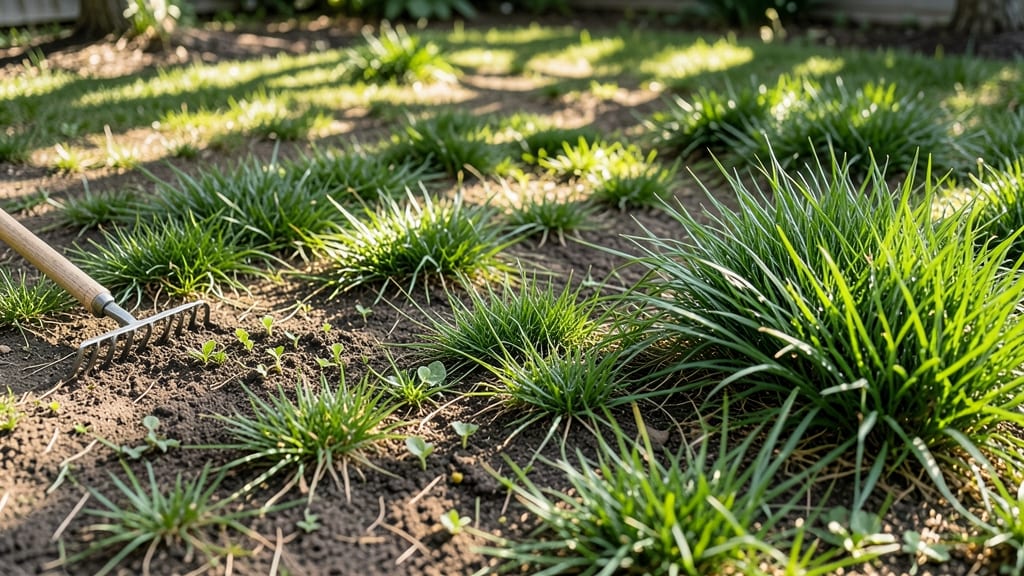
Your new lawn growing in patches isn’t a lost cause—it’s a fixable frustration. 🌱 I’ve nursed back more patchy lawns than I can count, and the secret lies in diagnosing the real problem (it’s rarely what you think).
Uneven seeding, compacted soil, or inconsistent watering can turn your dreamy green into a checkerboard of dirt and grass. The good news? You don’t need to tear it out and start over.
A targeted approach—reseeding bare spots, loosening compacted soil, and adjusting your watering schedule—can transform that patchwork into a lush, even carpet within 4-6 weeks. I’ll show you exactly how to spot the culprit and revive those thin areas without wasting time or money.
By the end, you’ll have a lawn that fills in smoothly, stays resilient through droughts, and stops competing with weeds for space. The key is working with your grass, not against it. Let’s get those patches playing catch-up!
Most patchy lawns suffer from one of three hidden issues: soil that’s too dense, seeds that didn’t get enough light or water, or weeds stealing nutrients.
I’ve seen homeowners reseed the same patch three times before realizing the soil was smothered under a thin layer of topsoil—or that crabgrass was choking the new seedlings before they could take root.
Start by testing your soil’s pH and drainage (a simple kit from your local garden center does the trick). If the ground feels like concrete when dry or mud when wet, aeration is your first step.
For watering, deep and infrequent beats light daily sprinkles—think 1 inch per week, all at once. This encourages roots to grow deep, not shallow.
Reseeding the right way makes all the difference. Use a high-quality blend (not just cheap ryegrass) and scatter seeds thinly—overcrowding leads to weak, patchy growth. After sowing, top with a light layer of compost (not soil) to protect seeds from birds and drying out.
Water gently twice daily until germination, then taper off to avoid fungal issues. The payoff? A lawn that fills in evenly, stays green through heatwaves, and requires less maintenance long-term. No more staring at dirt between blades—just a thick, healthy carpet that makes your neighbors green with envy.
Ready to turn those patches into perfection?
Root Causes Behind Patchy Growth
Understanding why your new lawn is sprouting in uneven patches starts with identifying the most common culprits. Each issue disrupts the seed’s ability to germinate, establish roots, or thrive—leaving bare spots where grass should be.
Below, we break down the science behind these problems and what’s really happening in your soil.
A patchy lawn often begins before the seed even hits the ground. If seeds aren’t spread evenly or buried at the right depth, germination becomes a game of chance.
- Why it happens: Seeds need consistent moisture and light to sprout. If they’re clumped together or buried too deeply (over ½ inch), they may not get enough oxygen or water to break through the soil.
Conversely, seeds left too shallow (under ¼ inch) dry out quickly. - Actionable insight: Use a broadcast spreader for even coverage and a rake to lightly press seeds into the soil.
Aim for a ¼-inch depth—just enough to protect them from birds or wind but not so deep they suffocate.
Even the best seeds struggle if they’re not in direct contact with moist, fertile soil.
- Why it happens: Soil compaction, dry patches, or uneven seed-to-soil pressure can create air pockets around seeds. Without proper contact, roots can’t anchor, and moisture can’t reach them.
Think of it like trying to grow a plant in a desert island—no matter how much water you pour nearby, the seed won’t get hydrated. - Actionable insight: After seeding, lightly water the area to settle seeds into the soil.
For compacted areas, aerate before seeding to improve seed-to-soil contact. A gentle roller (like a lawn roller filled with water or sand) can also help press seeds into the ground without damaging them.
Water is the #1 factor in seed germination—too little, too much, or at the wrong time can doom your lawn before it starts.
- Why it happens: - Underwatering: Seeds need constant moisture (like a damp sponge) to germinate.
If the soil dries out, seeds suffocate from lack of hydration. - Overwatering: Poor drainage or heavy watering can wash seeds away or create anaerobic conditions (no oxygen), leading to rot. - Inconsistent timing: Watering only once a day (especially in the heat) causes surface drying, while evening watering can promote fungal growth. - Actionable insight: - Water lightly but frequently—2-3 times daily for the first 7-10 days, keeping the top 1-2 inches of soil moist (not soggy). - Use a sprinkler with a fine mist to avoid displacing seeds. - Morning watering (before 10 AM) is ideal—it reduces evaporation and fungal risks.
Seeds have a sweet spot for germination—too hot, too cold, or sudden changes can halt growth.
- Why it happens: - Too cold: Most cool-season grasses (like fescue or ryegrass) germinate best at 60–75°F.
Below 50°F, growth slows or stops. - Too hot: Above 85°F, seeds can dry out or overheat, especially if they’re exposed. - Frost or drought: A sudden freeze or prolonged dry spell can kill emerging seedlings before they develop roots. - Actionable insight: - Check seed packet guidelines for optimal soil temps. - Mulch with straw (¼-inch layer) to retain moisture and moderate temperature. - Avoid seeding during extreme heatwaves or frost warnings.
Birds, rodents, insects, and even deer can turn your freshly seeded lawn into a buffet.
- Why it happens:
- Birds peck seeds out of the soil.
- Squirrels, rabbits, or voles dig up seeds for food.
- Grubs or insects (like chinch bugs) feed on seedlings, leaving brown, patchy dead spots.
- Ants may carry seeds away to their nests.
- Actionable insight:
- Cover seeds with a thin layer of straw (not plastic) to deter birds and rodents.
- Use pet-safe repellents (like predator urine or motion-activated sprinklers) if wildlife is a problem.
- Apply neem oil or insecticidal soap if grubs/insects are present (but wait until seeds germinate to avoid harming them).
Soil that’s too acidic, alkaline, or lacking essential nutrients can starve your seeds before they grow.
- Why it happens: - pH issues: Most grasses thrive in pH 6.0–7.5. Below 5.5 (too acidic) or above 8.0 (too alkaline), seeds struggle to uptake nutrients. - Lack of nitrogen/phosphorus: Seeds need phosphorus (P) for root development and nitrogen (N) for leaf growth.
Poor soil may not provide enough. - Compacted or clay-heavy soil: Restricts root penetration and water absorption. - Actionable insight: - Test your soil (kits are cheap and available at garden centers). - Amend soil with compost, peat moss, or lime (for acidity) before seeding. - Use a starter fertilizer (high in phosphorus, like 5-10-5) to kickstart growth.
Fungal infections like damping-off or Pyricularia can turn healthy seeds into mushy, rotting messes.
- Why it happens:
- Overly wet conditions create the perfect environment for fungi.
- Old or diseased soil may harbor pathogens that attack new seedlings.
- Poor airflow (from thick mulch or dense grass) traps moisture and spores.
- Actionable insight:
- Avoid overhead watering—use drip irrigation or soaker hoses.
- Sterilize soil with a fungicide treatment (like copper-based sprays) before seeding.
- Space seedlings properly (thin if overcrowded) to improve airflow.
If your lawn isn’t bare or properly prepped, weeds and grass clumps can outcompete new seedlings for resources.
- Why it happens:
- Weeds steal water, nutrients, and sunlight.
- Existing grass (if not fully removed) can choke out new growth.
- Thatch buildup (a layer of dead grass) blocks seeds from reaching the soil.
- Actionable insight:
- Kill existing grass with glyphosate (if needed) and remove thatch before seeding.
- Mulch weeds with cardboard or landscape fabric (temporarily) to suppress regrowth.
- Hand-pull weeds as they emerge to give seedlings a fighting chance.
Fix Your Patchy Lawn for Good
A patchy lawn can feel like a never-ending battle, but the right approach turns it into a victory lap. Whether your grass is struggling due to poor soil, uneven seeding, or environmental stress, these targeted solutions will help you revive those bare spots and restore a lush, uniform lawn.
Below, we’ve mapped the most common causes to their fixes—plus prevention tips to keep your grass thriving long-term.
If your lawn is growing in patches because seeds didn’t spread evenly or germinated inconsistently, here’s how to correct it:
🔥 Step 1: Test Your Soil
Before reseeding, check your soil’s pH and nutrient levels. A simple soil test kit (available at garden centers) will tell you if your lawn lacks nitrogen, phosphorus, or potassium—or if the pH is too high or low.
Aim for a pH of 6.0–7.0 for most grasses.
🍳 Step 2: Prep the Bare Spots
- Remove debris: Rake out dead grass, weeds, or thatch from the patchy areas.
- Loosen the soil: Use a garden rake or hand tiller to aerate the soil about 1–2 inches deep.
This helps roots establish better. 3. Level the ground: Fill low spots with a mix of topsoil and compost (ratio: 2 parts soil, 1 part compost) and smooth it out with a rake.
👨🍳 Step 3: Choose the Right Seed
- Match your existing grass: Pick a seed blend that matches your current lawn type (e.g., cool-season grasses like Kentucky bluegrass or warm-season grasses like Bermuda).
- Use high-quality seed: Look for certified seed with a high germination rate (80%+).
- Overseed lightly: Sprinkle seed sparingly over the bare spots (or the entire lawn if needed) and lightly rake to ensure good soil contact.
🥘 Step 4: Water Like a Pro
- First 2 weeks: Keep the soil consistently moist (not soggy). Water lightly 2–3 times daily (morning, afternoon, and evening).
- After germination: Gradually reduce watering to deep, infrequent sessions (1–1.5 inches per week) to encourage deep root growth.
⏰ Step 5: Fertilize for Strength
Apply a starter fertilizer (high in phosphorus) when you seed, then switch to a balanced lawn fertilizer (like 10-10-10) 4–6 weeks later. Follow the package rates to avoid overfeeding.
If your lawn is struggling due to extreme heat, drought, or inconsistent watering, these fixes will bring it back to life:
💡 Adjust Your Watering Schedule
- Deep and infrequent: Water early morning (4–8 AM) to reduce evaporation and fungal risks.
Aim for 1–1.5 inches per week, including rainfall. - Check soil moisture: Stick your finger 2 inches into the soil—if it’s dry, water; if it’s damp, wait.
🔥 Improve Drainage
- For soggy spots: If water pools in certain areas, create shallow trenches or French drains to redirect excess water.
- For compacted soil: Rent a core aerator to pull out small soil plugs, improving airflow and water absorption.
🌡️ Choose Drought-Tolerant Grass
If your lawn frequently suffers in heat, consider switching to heat-resistant grasses like:
- Zoysia (warm-season, drought-tolerant)
- Buffalo grass (low-water needs)
- Fine fescue (cool-season but drought-resistant)
Weeds and fungus can choke out grass and leave unsightly patches. Here’s how to tackle them:
🔪 Kill Weeds the Right Way
- Hand-pull young weeds before they seed.
- Use a spot herbicide (like vinegar-based or glyphosate-free options) for stubborn weeds. Avoid broad-spectrum herbicides if you plan to reseed soon—they’ll kill new grass too.
- Prevent regrowth: Apply corn gluten meal (a natural pre-emergent) in early spring to stop weed seeds from sprouting.
✨ Treat Fungal Infections
If your lawn has brown, circular patches (common with dollar spot or brown patch fungus):
- Improve airflow: Mow higher (3–4 inches) and avoid leaving clippings.
- Water in the morning to let grass dry quickly.
- Apply a fungicide: Use a copper-based or propiconazole fungicide following label instructions.
- Aerate and overseed: Once the fungus clears, reseed thin areas to restore density.
Once your lawn is back in shape, keep it thick and healthy with these long-term strategies:
- Mow high: Set your mower to 3–4 inches to shade soil and retain moisture.
- Fertilize seasonally: Apply spring (high nitrogen) and fall (balanced NPK) fertilizers for steady growth.
- Aerate annually: Do a core aeration in spring or fall to prevent soil compaction.
- Dethatch if needed: If your lawn has a thatch layer thicker than ½ inch, rent a dethatcher to improve water and nutrient absorption.
- Monitor soil health: Test soil every 2–3 years and amend as needed (e.g., add lime for low pH or sulfur for high pH).
| Problem | Quick Solution | Prevention Tip |
|---|---|---|
| Thin seeding | Reseed + starter fertilizer + consistent water | Use a spreader for even coverage |
| Drought stress | Deep watering + mulch grass clippings | Plant drought-resistant grass varieties |
| Weed invasion | Hand-pull or spot herbicide | Apply corn gluten meal in early spring |
| Fungal patches | Fungicide + improve airflow | Water early, mow high, aerate regularly |
| Compacted soil | Core aeration + compost top-dressing | Aerate annually and avoid heavy foot traffic |
With these targeted fixes, your patchy lawn will transform into a uniform, vibrant carpet in no time. Start with the most pressing issue, then layer in prevention strategies to keep your grass looking its best year-round! 🌿✨
Frequently asked questions
Why do some areas of my new lawn stay bare while others grow thick?
Uneven growth usually happens when seeds weren't spread evenly or buried at the right depth (¼-inch). Other culprits include soil compaction blocking root growth, inconsistent watering, or wildlife (like birds) eating seeds. Check for these issues first—they're often easier to fix than you think!
How long should I wait before reseeding bare patches?
Wait until your existing grass reaches 3 inches tall before reseeding. This usually takes 4-6 weeks after initial germination. Reseeding too soon can smother new growth, while waiting too long lets weeds move in. Test soil moisture first—it should be damp but not soggy.
Will overwatering my patchy lawn help it grow faster?
No—overwatering actually harms new grass by washing away seeds or creating anaerobic conditions (no oxygen) that rot roots. Water lightly 2-3 times daily for the first 10 days to keep soil consistently moist, then switch to deep, infrequent watering (1-1.5 inches per week). Morning watering prevents fungal growth too.
Can I use grass clippings to fill in bare spots?
Grass clippings alone won't grow new grass—they're just fragments of existing plants. For bare spots, you need seed mixed with a thin layer of soil. Save clippings for mulching established lawn areas instead—they return nutrients to the soil naturally.
How do I know if my patchy lawn needs aeration?
Test for compaction by pushing a screwdriver into the soil—if it won't go in 3 inches, your lawn needs aeration. Other signs include water pooling after rain or footprints staying visible for hours. Rent a core aerator in spring or fall for best results. Compacted soil strangles new roots!