
Lawn
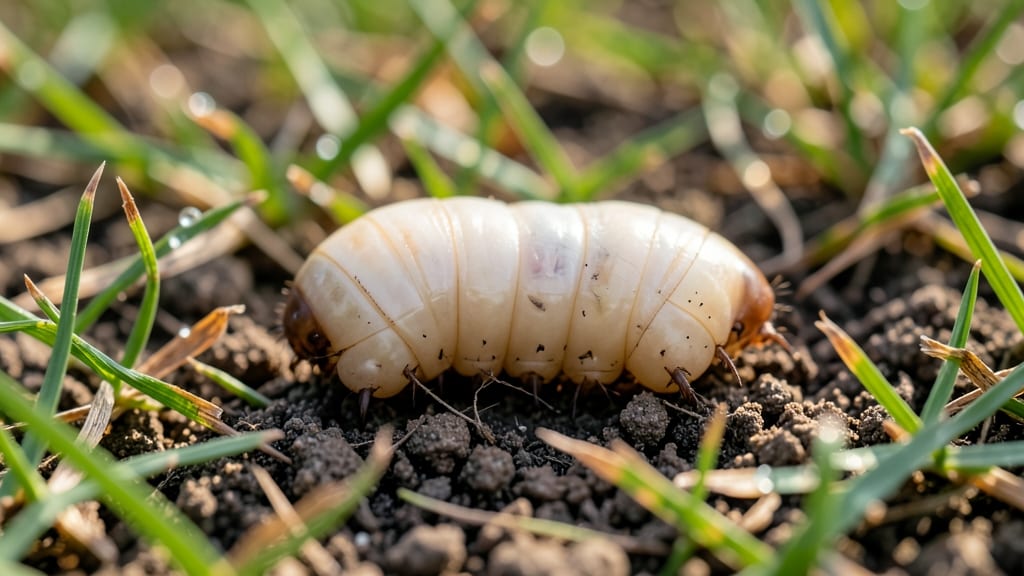
Why do I have grubs in my lawn?—those C-shaped critters aren’t just a nuisance, they’re silent destroyers that turn lush grass into patchy brown death zones. 🌱 I’ve pulled hundreds of these pests from my yard, and I’ll tell you exactly why they show up and how to kick them out for good without harsh chemicals that harm your soil (and your kids’ bare feet).
The problem starts when Japanese beetles or other scarab beetles lay eggs in your lawn—usually in late summer. Those eggs hatch into grubs that feast on grass roots, and by fall, you’re left with turf that pulls up like sodden carpet.
The good news? You can break their cycle naturally with simple, targeted methods that work faster than waiting for winter to freeze them out.
By next spring, your lawn will bounce back with thicker, greener grass if you act now. The secret is combining milky spore treatment, beneficial nematodes, and cultural fixes like proper watering and overseeding. No more guessing—just results that actually last.
Whether you’re dealing with a small patch or a full-blown invasion, these steps adapt to any lawn size. Let’s get those grubs out for good—without turning your yard into a chemical warzone.
The Hidden Triggers Behind Grubs
Grubs aren’t just random pests—they’re the result of specific conditions in your lawn that create the perfect breeding ground for these C-shaped larvae. Understanding why they’re there is the first step to eliminating them naturally. Let’s break down the key factors that turn your grass into a grub buffet.
Grubs thrive in moist, nutrient-rich soil, which means your lawn might be too well-cared-for. Here’s how it happens:
- Excessive Watering: Grubs need moisture to survive, and overwatering (especially deep, frequent irrigation) keeps their environment ideal. A soggy lawn is like an all-you-can-eat buffet for them. 🍽️ - Actionable Fix: Water deeply but infrequently—aim for 1–1.5 inches per week, including rainfall.
Early morning watering (before 10 AM) reduces waste and fungal risks.
- Over-Fertilization: Too much nitrogen (common in fast-acting fertilizers) makes grass grow rapidly, providing grubs with an endless food source.
Think of it like a fast-food joint for larvae. - Actionable Fix: Use a slow-release, organic fertilizer (like compost or bone meal) and follow the 3-1-4 rule: 3 parts nitrogen, 1 part phosphorus, 4 parts potassium. Test your soil first!
Thatch—a layer of dead grass, roots, and debris—acts as a protective blanket for grubs. It shields them from predators, drought, and even some pesticides. If your lawn has more than ½ inch of thatch, you’ve got a problem.
- Why It Matters: Grubs tunnel just below the thatch layer, where it’s dark, damp, and safe.
Birds, beetles, and microbes can’t reach them easily. - Actionable Fix: - Dethatch in early spring or fall using a rake or power dethatcher. - Aerate your lawn to break up compacted soil and improve airflow. - Top-dress with compost to encourage beneficial microbes that compete with grubs.
Grubs are the larval stage of beetles—most commonly the Japanese beetle (Popillia japonica), though other species (like June bugs) also contribute. Here’s how their life cycle sets up the infestation:
| Stage | What Happens | When It Peaks |
|---|---|---|
| Egg Laying | Adult beetles lay eggs 1–2 inches deep in warm, moist soil. | June–August |
| Larva (Grub) | Eggs hatch into grubs, feeding on roots for 10–12 months before pupating. | Late summer–fall |
| Pupa | Grubs burrow deeper, overwinter, then emerge as beetles the next spring. | Spring (April–May) |
- Actionable Fix:
- Monitor beetle activity in summer—if you see them, handpick and drown them in soapy water.
- Mow high (3–4 inches) to discourage egg-laying; beetles prefer short, stressed grass.
- Use nematodes (Heterorhabditis bacteriophora)—microscopic worms that paralyze grubs naturally.
Grubs love warm, well-aerated soil—but if your lawn is compacted (from foot traffic, heavy equipment, or clay soil), it traps heat and moisture, creating a grub paradise.
- Why It Works for Them:
- Compacted soil limits predator access (like ants, birds, and toads).
- It reduces beneficial microbes that would otherwise compete with grubs.
- Actionable Fix:
- Aerate annually (especially in spring/fall) to loosen soil.
- Reduce foot traffic on the lawn during grub season (June–August).
- Add organic matter (compost, peat moss) to improve soil structure.
Stressed grass is easier prey for grubs. If your lawn has:
- Fungal infections (like brown patch or dollar spot),
- Insect damage (from chinch bugs or sod webworms),
- Drought stress,
…grubs will move in faster because the roots are already compromised.
- Actionable Fix:
- Treat fungal issues with neem oil or baking soda spray (1 tbsp baking soda + 1 gallon water).
- Encourage deep roots with kelp meal or mycorrhizal fungi—these help grass fight off pests naturally.
- Avoid synthetic pesticides, which can kill beneficial insects that eat grubs.
If your lawn has a history of:
- Poor drainage (leading to waterlogged spots),
- Heavy pesticide use (killing natural predators),
- Lack of diversity (monoculture grass like Kentucky bluegrass attracts more grubs),
…grubs will colonize more aggressively.
- Actionable Fix:
- Test your soil (pH should be 6.0–7.0 for most grasses).
- Plant grub-resistant grasses like tall fescue or buffalo grass if possible.
- Introduce predator insects (like ground beetles or parasitic wasps) with habitat-friendly practices (e.g., leaving leaf litter in borders).
How to Treat and Prevent Grubs
Now that you know why grubs are invading your lawn, it’s time to take action! The good news? You can eliminate them naturally and prevent future infestations without resorting to harsh chemicals.
Below, we’ve mapped out targeted solutions based on the most common causes—plus prevention tips to keep your lawn grub-free long-term.
Grubs thrive in soggy soil, so improving drainage is your first line of defense.
👨🍳 Step 1: Test Your Soil’s Drainage
- Dig a small hole (6 inches deep) and fill it with water.
- If the water drains in under 4 hours, your soil drains well.
- If it takes longer than 6 hours, you’ve got poor drainage.
🥘 Step 2: Aerate Your Lawn
- Rent a core aerator (or hire a pro) to pull out small soil plugs, improving airflow and drainage.
- Best time: Early fall or spring, when grubs are active but before they pupate.
⏰ Step 3: Adjust Your Watering Schedule
- Water deeply 2–3 times per week (early morning) instead of daily light sprinkles.
- Aim for 1–1.5 inches per week—let the top inch of soil dry between waterings.
💡 Pro Tip: If your lawn has heavy clay soil, mix in compost or sand (top 2–3 inches) to improve drainage over time.
If grubs are already munching on your roots, act quickly with these non-toxic treatments:
🔪 Milky Spore (Best Long-Term Solution)
- How it works: A natural bacterium (Bacillus popilliae) that infects and kills Japanese beetle grubs (the most common lawn pest).
- How to apply:
- Purchase milky spore powder (e.g., GrubOut or Nematac).
- Sprinkle 1–2 lbs per 1,000 sq ft over damp soil in early fall or spring.
- Water lightly to help it spread.
- Wait time: Takes 1–2 years to establish but provides 10+ years of protection.
🌡️ Beneficial Nematodes (Fast-Acting)
- How it works: Microscopic worms (Heterorhabditis bacteriophora) that parasitize grubs.
- How to apply:
- Buy nematodes (e.g., NemaSeek or GrubGuard).
- Mix with water and apply evenly at dusk (they die in sunlight).
- Water lightly afterward.
- Best for: Immediate relief—works in 2–3 weeks.
🎯 Diatomaceous Earth (Physical Barrier)
- How it works: Sharp, microscopic particles that dehydrate and kill grubs on contact.
- How to apply:
- Sprinkle food-grade DE lightly over the lawn (avoid windy days).
- Reapply after rain or watering (it loses effectiveness when wet).
- Best for: Small infestations or as a preventative dusting in high-risk areas.
An ounce of prevention is worth a pound of grub treatment! Follow these easy habits to keep your lawn unappealing to beetles:
🔥 Choose Grub-Resistant Grass Types
Some grasses are less appealing to Japanese beetles. Consider:
- Tall fescue
- Fine fescue
- Perennial ryegrass (less preferred than Kentucky bluegrass)
💪 Maintain a Healthy Lawn Grubs target weak, thin lawns.
Strengthen yours with: - Proper mowing height (3–4 inches tall—taller grass shades out weeds, which beetles love). - Regular fertilizing (use low-nitrogen, high-potassium in late summer to deter beetles). - Weed control (beetles lay eggs in crabgrass and clover—pull them out!).
✨ Natural Deterrents
- Neem oil spray (disrupts beetle life cycles—apply in late spring/early summer).
- Plant marigolds or catnip around lawn edges (repels beetles naturally).
- Encourage birds & toads (they eat grubs—install a birdbath or leave some bare soil spots).
If your lawn is severely damaged (large brown patches that pull up easily) or grubs persist despite treatments, consider:
- Professional lawn care services (they can apply milky spore or nematodes at scale).
- Grub-specific insecticides (if organic methods fail—opt for imidacloprid or trichlorfon, but use sparingly).
Final Thought: With consistent prevention + targeted treatments, you can kick grubs out for good—without chemicals. Start with drainage fixes and nematodes, then keep your lawn strong and uninviting to beetles. Your grass will thank you! 🌿💚
Frequently asked questions
How do I know if my lawn damage is caused by grubs?
Look for spongy, brown patches that pull up easily like sod when wet. If you see C-shaped white larvae (about ½ inch long) when you dig up the grass, those are grubs. Also check for increased mole or skunk activity—they eat grubs too!
Can grubs survive winter in my lawn?
Yes! Grubs overwinter in the soil and continue feeding until spring. They burrow 4–6 inches deep where it’s warmer. The key is to treat them in early fall (September–October) before they pupate, or in late spring (April–May) when they’re most vulnerable.
Will my dog get sick from eating grubs?
Grubs aren’t toxic, but they can cause mild stomach upset if eaten in large quantities. More concerning are the parasites (like heartworm) dogs pick up from beetles—consider a monthly preventative if you see Japanese beetles in your yard.
How long does it take for nematodes to work?
Beneficial nematodes typically take 2–4 weeks to fully eliminate grubs, depending on temperature and moisture. For fastest results, apply them when soil temps are between 50–85°F and water lightly afterward to help them move through the soil.
Is it too late to treat grubs in late summer?
Not at all! Late summer (August–September) is actually a critical time to treat grubs before they pupate. Focus on nematodes or milky spore—both work well this late in the season. Just avoid heavy fertilizing, which attracts more beetles.