
Pruning
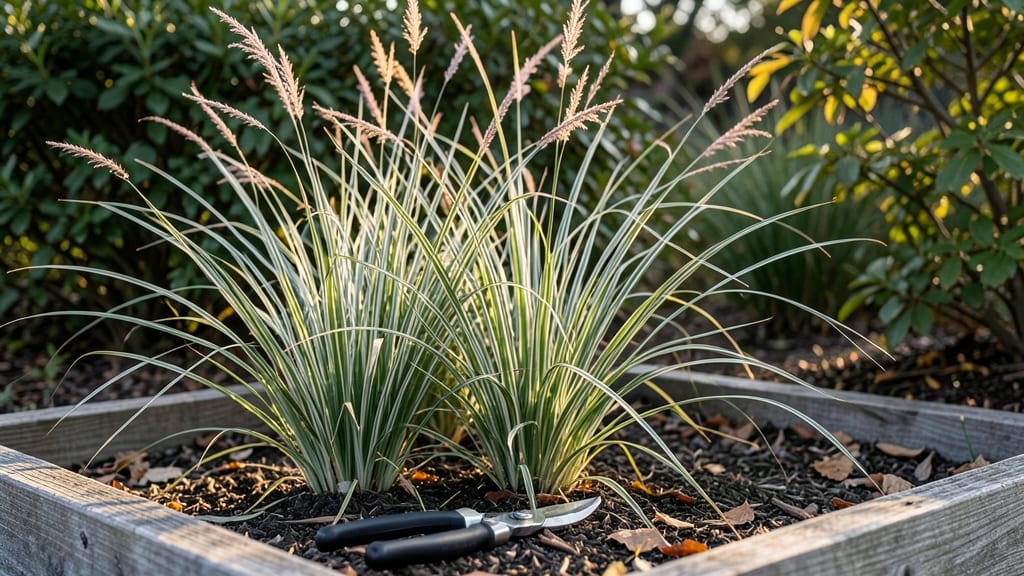
Ornamental grasses need sharp cuts to stay sharp-looking all year. ✨ I learned the hard way that skipping this step turns lush clumps into messy, bare-eyed clumps by summer—no one wants that.
The right timing and technique make all the difference, whether you're dealing with feathery Miscanthus or tight Carex tufts.
Timing is everything: late winter or early spring is ideal, right before new growth starts. Use clean, sharp pruners or hedge shears to avoid tearing leaves, and never cut more than one-third of the plant's height.
Some grasses, like Pennisetum, can handle a light trim in fall, but most prefer a spring reset to encourage fresh, upright growth.
When done right, you'll see dense, upright clumps that sway dramatically in the breeze. The texture contrast against perennials and shrubs becomes stunning, and you prevent those unsightly bare spots that make gardens look neglected.
Plus, healthy grasses resist pests and diseases better—no one wants to fight a losing battle with powdery mildew.
Different grasses have different personalities: Miscanthus and Panicum appreciate a more dramatic cut, while Carex and Fescue grasses benefit from a gentle tidying. Avoid cutting into old, woody stems—those won't regrow.
With these tips, your ornamental grasses will look like they belong in a high-end garden center, not just your backyard.
📚 In This Guide
- What you need
- Instructions
- Tips and common mistakes
- Wrapping up and next steps
What you need
- ● Sharp pruning shears or hedge shears – Choose bypass-style shears (not anvil-type) for clean cuts. Look for 5- to 7-inch blades for precision.
- ● Heavy-duty pruning loppers – For thicker stems (e.g., Miscanthus or Pennisetum), opt for 20- to 24-inch loppers with bypass blades.
- ● Hedge trimmer or grass-specific trimmer – A corded electric or battery-powered trimmer (e.g., Black & Decker or Fiskars models) works best for large patches.
- ● Work gloves – Heavy-duty, cut-resistant gloves (e.g., Mechanix or Tough Outdoors) to protect hands from sharp blades and thorns.
- ● Knee pads or a small stool – For comfort during long sessions, especially if your grass is 3+ feet tall.
- ● Sharpener or honing tool – A file or whetstone to keep blades razor-sharp between cuts.
- ○ Garden twine or stakes – Optional but helpful for marking straight lines or curves before cutting.
- ● String trimmer (weed whacker) – For quick cleanup of stray blades or overgrowth in tight spots.
- ● Pruning saw – If dealing with very thick, woody bases (e.g., Giant Reed).
- ● Mulch or compost – To disguise cuttings and nourish the soil afterward.
- ● Safety glasses – Protects eyes from flying debris, especially when using power tools.
How to cut ornamental grass for sharp, year-round definition
Here's the straightforward approach I use to keep ornamental grasses looking crisp all season long.
🪴 Step 1: Gather the Right Tools and Safety Gear
Start with a sharp pair of hedge shears or a pruning saw for thicker clumps. I always use long-handled tools to avoid straining my back when reaching into dense grasses. Pair them with thick work gloves—ornamental grasses have razor-sharp edges that can slice skin unexpectedly.
Lay out a drop cloth underneath your work area to catch debris. This keeps your workspace tidy and makes cleanup easier. I also grab a small rake or stiff brush to sweep up clippings afterward—it saves time and prevents mess from spreading.
✂️ Step 2: Time Your Cut for Seasonal Health
For most ornamental grasses, the best time to cut is late winter or early spring, just as new growth begins. This ensures you're not removing the plant's winter interest or cutting back into dormant growth that hasn't yet emerged. If you're shaping grasses for a specific design, wait until they've reached about 60% of their mature height—this gives you enough material to work with while keeping the plant full.
Here's the thing—if you're dealing with seed heads or plumes, never cut them until they've fully matured and turned brown. These provide winter interest and food for wildlife. I always mark grasses that need winter interest with bright flags so I don't accidentally trim them too early.
☀️ Step 3: Shape with Precision Using the "Thirds" Rule
Step back and visually divide the grass into three equal sections—top, middle, and bottom. This mental trick helps create natural-looking layers. Start by trimming the top third first, then work downward. Use your shears to make clean, straight cuts at a 45-degree angle if you're creating a layered effect, or level cuts for a uniform look.
Watch for dead or discolored growth—these areas often hide in the center of clumps. Snip them out first to reveal fresh, green growth underneath. I like to cut in stages: first remove the dead material, then shape the living growth. This prevents over-trimming and keeps the plant looking full.
💧 Step 4: Clean Up and Maintain Year-Round
After cutting, rake up all clippings immediately to prevent them from smothering new growth or attracting pests. I spread them around my compost pile or use them as mulch in garden beds—it's a great way to recycle plant material. For grasses that spread aggressively, like Miscanthus or Pennisetum, I also edge the perimeter with a spade to keep them contained.
Throughout the year, spot-check your grasses monthly for straggly growth or overgrown edges. A quick trim with shears keeps them looking intentional. In fall, I avoid heavy cutting—just remove any dead foliage to keep the garden tidy without disturbing the plant's structure.
⏰ Step 5: Store Tools and Plan Next Year's Design
Clean your shears and tools with rubbing alcohol to remove sap and prevent rust. I store them in a dry, shaded area with the blades facing downward to protect the sharp edges. Before winter, take photos of your grass designs—this helps you replicate or refine the layout next year.
Real talk: the first time I cut ornamental grasses, I over-trimmed and nearly killed a Little Bluestem clump. Now I measure twice and cut once—literally. I use a tape measure to mark the height I'm aiming for before I start cutting. It's a small habit that saves a lot of stress.
Tips & tricks for perfect ornamental grass cuts
A few simple tricks will transform your ornamental grasses from wild to polished—without the stress of trial and error.
Tool Sharpness is Non-Negotiable: Dull tools crush grass blades instead of cutting cleanly, which leads to ragged edges and stress on the plant. I test my hedge shears by cutting a piece of paper—if it tears instead of slices cleanly, it's time to sharpen. For thicker clumps, a pruning saw with a fine-tooth blade will make the job easier without damaging the plant.
The Thirds Rule in Action: When you're shaping in Step 3, imagine the grass as a three-layer cake. Cutting the top third first creates a natural taper that looks intentional. Pro tip: hold your shears at a 45-degree angle for the top layer to create subtle depth, then switch to level cuts for the middle and bottom sections. This visual trick makes even beginner cuts look like they were designed by a pro.
Seasonal Timing Secrets: Late winter or early spring is ideal because new growth is just emerging, but don't rush it. Wait until you see 2-3 inches of fresh green growth at the base—this tells you the plant is ready. For seed heads, I wait until they've fully dried and turned brown before cutting, even if it means leaving them through winter. The wildlife will thank you!
Cleanup Hack: After cutting, I collect clippings by gently shaking the grass over a drop cloth—this catches most debris. For stubborn bits, a stiff brush works better than raking, which can tear the grass. Spread the clippings around your garden as mulch or compost; they break down quickly and add nutrients to the soil. Just avoid piling them near the base of your grasses, as this can smother new growth.
Pro Tips for Cutting Ornamental Grass
- A few simple tricks will transform your ornamental grasses from wild to polished—without the stress of trial and error.
- Tool Sharpness is Non-Negotiable: Dull tools crush grass blades instead of cutting cleanly, which leads to ragged edges and stress on the plant.
- The Thirds Rule in Action: When you're shaping in Step 3, imagine the grass as a three-layer cake.
Frequently asked questions
Got questions about keeping your ornamental grass looking sharp and stylish?
Here are some of the most common ones—and their answers—to help you master the art of cutting ornamental grass with confidence!
When is the best time to cut ornamental grass for a clean look?
The ideal time to trim ornamental grass is late winter or early spring, just before new growth begins. For year-round shape, you can lightly trim after flowering (summer/fall) to maintain form, but avoid cutting more than ⅓ of the plant’s height at once. Avoid trimming in fall if frost is expected—it can damage tender new growth.
How often should I trim ornamental grass to keep it looking sharp?
Most ornamental grasses need 1-2 trims per year for shape, with occasional touch-ups as needed. Fine-textured varieties (like Miscanthus) may require more frequent trimming, while bold, architectural types (like Pennisetum) can hold their shape longer. Check monthly in growing season for stray stems or overgrowth.
What’s the best way to trim ornamental grass without damaging it?
Use sharp, clean pruners or hedge shears (never dull tools—they tear foliage). Cut at a 45-degree angle just above a leaf node or joint to encourage regrowth. For large clumps, use string trimmers with a blade guard or a heavy-duty grass shears. Always trim after rain when grass is slightly damp for cleaner cuts.
Can I cut ornamental grass down to the ground, or will it die?
Most ornamental grasses are hardy and resilient, but cutting them all the way to the ground can stress the plant. Instead, leave 2-3 inches of stubble to protect the crown (where new growth emerges). Exceptions: Dead or winter-damaged grass can be cut back in early spring, but healthy varieties thrive with minimal trimming.
What are some alternatives to cutting ornamental grass for a tidy look?
If trimming feels too high-maintenance, try these low-effort alternatives:
- Natural shape: Leave it be! Many ornamental grasses grow in textured, wispy forms that add winter interest.
- Mulch or hide: Use fallen leaves or evergreens to camouflage overgrowth until spring.
- Divide & replace: Every 3-5 years, split large clumps to rejuvenate growth.
- Select low-maintenance varieties: Try Carex or Calamagrostis—they stay tidy with minimal trimming.
Wrapping up and next steps
Transforming your outdoor space with cutting ornamental grass is a rewarding way to add structure, texture, and elegance to any landscape—year-round! 🌿 Whether you're pruning for shape, health, or sheer aesthetic appeal, the key lies in timing, technique, and tools.
With the right approach, you’ll keep your ornamental grasses looking sharp while encouraging lush, vibrant growth.
Ready to take the next step? Grab your shears, mark your calendar for the best cutting seasons, and start small—even a single clump can make a big impact. Your garden’s newfound precision will be the talk of the neighborhood! 🌟