
Pruning
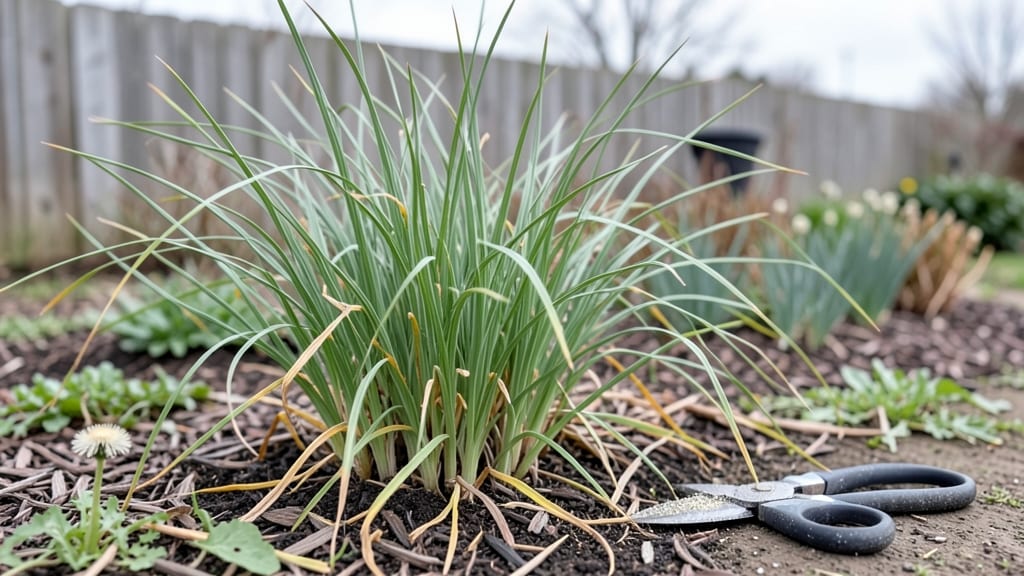
Cutting back fountain grass in late winter gives your yard a clean slate before spring growth explodes. 🌱 I used to dread this task—until I learned the right timing and technique turned it from a chore into a quick, satisfying reset.
The key is patience: cutting too early stresses the plant, while waiting too long lets it get ragged.
You’ll need sharp pruners or a hedge trimmer, gloves, and a clear day when temps stay above freezing. Grab a tarp to catch the clippings, and work in sections if your grass is large.
The goal isn’t to shear it like a hedge—just remove the dead growth while leaving the base intact for new shoots.
After cutting, you’ll see fresh green shoots emerge within weeks, with full regrowth by summer. The plant stays compact, resists flopping, and looks intentional all season. Just avoid cutting below the base—this kills the crown and takes years to recover.
This method works for all fountain grass varieties, from the classic ‘Little Bunny’ to towering ‘Jade Frost.’ The same principles apply whether you’re maintaining a small border or a 6-foot-tall statement piece. Ready to transform that wild clump into structured beauty?
📚 In This Guide
- What you need
- Instructions
- Tips and common mistakes
- Wrapping up and next steps
What you need
- ● Heavy-duty pruning shears or hedge clippers – Look for bypass-style blades (8–12 inches long) for clean cuts. Sharpness is non-negotiable!
- ○ Long-handled loppers (optional but helpful for tall clumps, 3–4 feet long)
- ● Garden gloves – Thick, cut-resistant (fountain grass has serrated edges!)
- ● Wheelbarrow or tarp – For hauling clippings (aim for 3–5 cubic feet of space)
- ● Pruning saw (if dealing with thick, woody stems over 1 inch in diameter)
- ● Compost or mulch – 2–3 bags (for amending soil post-prune)
- ● Fertilizer – Slow-release balanced formula (10-10-10) or grass-specific (1–2 lbs per 100 sq ft)
- ● Hose with nozzle – For rinsing blades and wetting grass before cutting (reduces dust)
- ● Rake or stiff broom – To clear debris after pruning
- ○ Optional: Knee pads (if you’re really getting down in the dirt)
- ● Safety goggles (for dusty or windy days)
- ● Disinfectant spray (70% isopropyl alcohol) – To wipe blades between cuts
- ● Choose the right time – Prune in early spring (March–April) or after flowering (late fall). Avoid cutting back harder than 1/3 of the plant’s height in one season.
- ● Check the weather – Do it on a dry, calm day (no rain for 24 hours post-prune).
- ● Know your variety – Some fountain grasses (like Pennisetum) need harder cuts than others (e.g., Miscanthus).
How to cut back fountain grass for a clean, year-round Look
Here's the straightforward method I use to keep fountain grass lush and manageable without stressing the plant.
✂️ Step 1: Time Your Cut Back Strategically
Wait until late winter or early spring—right before new growth begins—to cut back fountain grass. This is typically February or March in most climates, but watch for 2-3 inches of fresh green shoots emerging from the base. Cutting too early removes winter protection, while waiting too long risks damaging new growth.
I always check for new shoots at the crown before cutting. If you see nothing but brown, wait another week. The goal is to trim just above the lowest healthy growth point, leaving the plant ready to rebound with vigor. Avoid cutting in fall or winter unless your grass looks diseased or dead—healthy grass should stay upright through winter.
✂️ Step 2: Use Sharp Tools for Clean Cuts
Grab your pruners or hedge shears and give the blades a quick wipe with rubbing alcohol to prevent spreading disease. Fountain grass can get thick and woody, so dull blades tear instead of cleanly cutting. I like to make a 45-degree angle cut about 2-3 inches above the base—this encourages fuller regrowth from the center.
If your grass is very tall or overgrown, cut it in stages. Remove one-third of the height at a time over 2-3 days to avoid shocking the plant. You'll know you're doing it right when you see green stems with tight nodes at the base—these are the growth points that will sprout fresh foliage.
✂️ Step 3: Remove Debris and Fertilize
After cutting, rake up all the old growth and dispose of it in the trash or compost bin—do not leave it around the base. Fountain grass can harbor pests and diseases in dead material. Once cleared, spread a 2-3 inch layer of compost around the base to replenish nutrients lost during dormancy.
Now's the time to add a slow-release fertilizer if your grass looks tired. I sprinkle a handful around the base and water it in lightly. This gives the plant a nutrient boost for the growing season ahead. Avoid heavy fertilizers—they can burn new shoots, so a light feeding is best.
🌿 Step 4: Monitor for New Growth
Within 2-4 weeks, you should see bright green shoots emerging from the center. If growth is sparse, your cut might have been too low—next time, leave 3-4 inches of stem above the base. Water deeply once a week if rainfall is light, keeping the soil 2-3 inches moist but never soggy.
Here's the thing—fountain grass is tough, but it won't regrow if you cut it back too aggressively. If you see no new growth after 6 weeks, try a different approach next year: trim only the top third of the plant instead of cutting it all the way down. Patience pays off with a fuller, healthier clump.
Tips & tricks for perfect fountain grass maintenance
These simple strategies will help you keep your fountain grass looking its best year after year without causing stress to the plant.
Timing is Everything: The late winter/early spring timing in Step 1 is crucial because fountain grass stores energy in its lower stems during winter. Cutting too early removes this natural insulation, while waiting too long risks damaging the new growth that's just beginning. I've learned the hard way that patience here pays off—wait until you see those 2-3 inches of fresh green shoots before making a single cut. This ensures your plant has the energy to bounce back strong.
Tool Selection Matters: Don't underestimate the importance of sharp tools in Step 2. I've used everything from dull scissors to hedge shears, and the difference is night and day. Dull blades crush the stems instead of cleanly cutting them, which can damage the plant and make it more susceptible to disease. A quick wipe with rubbing alcohol before cutting also helps prevent spreading any potential pathogens from plant to plant. For stubborn clumps, I find that a 45-degree angle cut about 2-3 inches above the base gives the cleanest results and encourages fuller regrowth.
Gradual Cutting for Overgrown Grass: If your fountain grass has gotten tall and leggy, resist the urge to cut it all at once. In Step 2, the instructions mention cutting in stages over 2-3 days, and this is a game-changer. I once cut back a 6-foot fountain grass all at once and nearly killed it—it took months to recover. Instead, remove one-third of the height at a time and watch for those green stems with tight nodes at the base. These are your growth points for the coming season, and protecting them is key to a fuller plant.
Post-Cut Care is Critical: After you've made your cuts in Step 3, don't just walk away. The debris removal is just as important as the cutting itself. Fountain grass can harbor pests and diseases in old growth, so rake up all the cut material and dispose of it properly. Then, that 2-3 inch layer of compost around the base works wonders for replenishing nutrients. I've found that adding a light application of slow-release fertilizer at this stage gives the plant a gentle boost without risking burn from heavy feeding. Think of it as giving your grass a little energy drink after its winter nap.
Pro Tips for Cutting Back Fountain Grass
- These simple strategies will help you keep your fountain grass looking its best year after year without causing stress to the plant.
- Timing is Everything: The late winter/early spring timing in Step 1 is crucial because fountain grass stores energy in its lower stems during winter.
- Tool Selection Matters: Don't underestimate the importance of sharp tools in Step 2.
Frequently asked questions
Got questions about cutting back fountain grass?
You’re not alone! Here are some of the most common concerns—plus straightforward answers to keep your yard looking sharp.
When is the best time to cut back fountain grass?
Late winter or early spring (just before new growth starts) is ideal. Avoid cutting in fall, as the grass stores energy in its foliage for winter. If you missed the window, never cut it down to the ground—leave at least 6 inches of height to protect the crown. For tropical varieties, trim lightly year-round to maintain shape.
How short can I cut fountain grass without harming it?
Never trim below 6 inches—this risks damaging the crown and inviting pests or disease. For most varieties, aim for 12–18 inches in height. If your grass looks ragged, focus on thinning out the center rather than shearing everything evenly. Pro tip: Use sharp pruners or a string trimmer for clean cuts!
Can I cut fountain grass in summer? What about deadheading?
Light trimming in summer is fine, but avoid heavy cuts—heat stress can weaken the plant. Deadhead (remove spent flower stalks) in late spring or early summer to encourage bushier growth. Never cut back brown or dormant foliage in winter; it provides insulation. Wait until spring to reveal fresh growth.
What if my fountain grass looks sad after trimming?
Over-trimming or cutting too late can stress the plant, but don’t panic! Water deeply after pruning, and fertilize lightly in spring. If the center looks bare, it may need thinning out (remove old growth from the middle) rather than a uniform haircut. Yellowing leaves? Check for overwatering or poor drainage.
Are there alternatives to cutting fountain grass for a tidy look?
Yes! For low-maintenance options, try switchgrass or muhly grass—they self-clean and rarely need trimming. If you love fountain grass but hate the upkeep, opt for dwarf varieties (like ‘Karl Foerster’) that stay compact. Bonus: Mulch around the base to suppress weeds and reduce trimming needs!
Wrapping up and next steps
Cutting back fountain grass doesn’t have to be a daunting task—with the right tools, timing, and technique, you can keep your yard looking neat and thriving all year. Remember, sharp cuts in late winter or early spring encourage fresh, lush growth, while safety and patience ensure a stress-free process.
Whether you’re a seasoned gardener or a beginner, a little effort now will reward you with stunning, low-maintenance foliage for seasons to come. 🌿
Ready to tackle the job? Grab your tools, follow the steps, and enjoy the satisfaction of a beautifully pruned fountain grass! Next, explore seasonal care tips to keep your garden flourishing year-round.