
Pruning
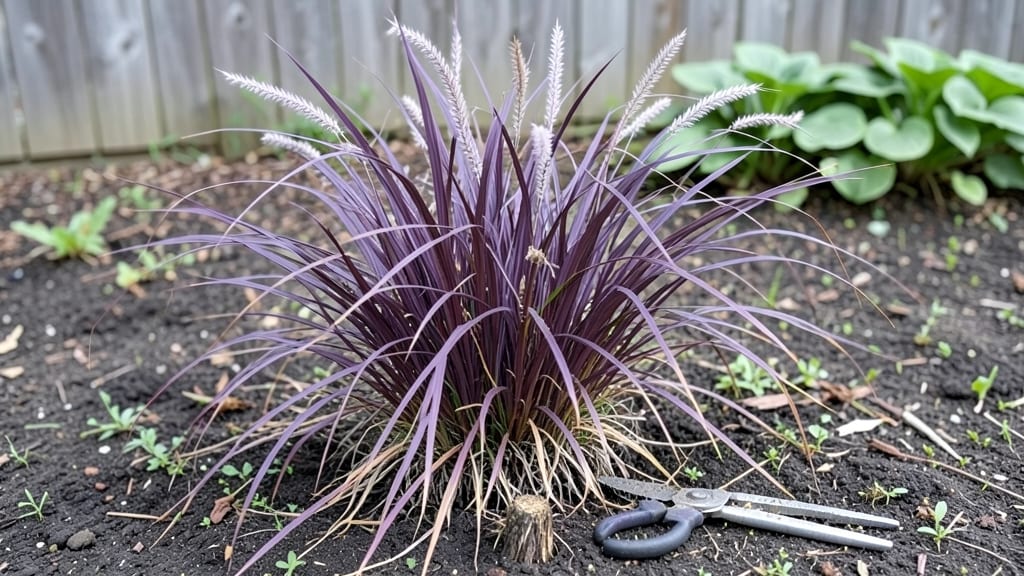
Cutting back purple fountain grass transforms it from a wild tangle into a showstopping fountain that lasts all year. ✨ I’ve learned the hard way that timing and technique make all the difference—over-trimming kills the plant, while the right cuts keep it lush and full.
The secret lies in late winter or early spring, when the grass is dormant but ready to bounce back.
You’ll need just three tools: sharp pruners, gloves, and a broom for cleanup. Start by sweeping away dead leaves and stems—this prevents disease and makes the job easier.
Then, cut back the old growth by about one-third, leaving the newer, inner stems intact. This encourages fresh growth while keeping the plant’s natural shape.
The result? A velvety purple cascade that starts new growth within weeks, staying vibrant from spring through frost. The key is patience—never cut more than a third at once, and avoid trimming in fall, when the grass needs its energy reserves.
With this method, your fountain stays full and healthy, year after year.
Works for both landscaping borders and container gardens—just adjust the height based on your space. Here’s how to do it without a single mistake (I’ve made enough for both of us).
📚 In This Guide
- What you need
- Instructions
- Tips and common mistakes
- Wrapping up and next steps
What you need
- ● Heavy-duty pruning shears or hedge clippers: Choose bypass-style (for clean cuts) or anvil-style (for thicker stalks). A 10–12-inch blade works best for fountain grass.
- ● Loppers: For thicker stems (3–4 inches in diameter). Opt for bypass loppers with long handles (24+ inches) for leverage.
- ● Garden gloves: Heavy-duty, cut-resistant (e.g., mechanized or Kevlar-reinforced) to protect against splinters and sharp edges.
- ● Pruning saw: A bow saw or pruning saw with a fine-tooth blade (10–12 teeth per inch) for stubborn, woody stalks.
- ● Wheelbarrow or large trash bags: For hauling debris. A 30–50-gallon capacity is ideal for moderate-sized clumps.
- ● Rake: A bow rake with sturdy tines (¼–½ inch spacing) to clear fallen leaves and clippings post-prune.
- ● Disinfectant (70% isopropyl alcohol or bleach solution): Wipe tools between cuts to prevent disease spread.
- ● Knee pads or a small stool: For comfort when working with tall or dense clumps.
- ● String trimmer (weed whacker): For initial rough trimming of very tall grass (3+ feet) before detailed pruning.
- ● Compost bin or mulch: Repurpose clippings as mulch or compost (if disease-free).
- ● Weather: Prune on a dry, calm day (avoid windy conditions to prevent debris spread).
- ● Timing: Best done in late winter/early spring (before new growth) or fall (after frost).
- ● Safety gear: Wear eye protection (goggles) and closed-toe shoes—fountain grass can be sharp!
- ● Check for pests/disease: Inspect clumps for brown patches, holes, or webbing before pruning.
Step-by-Step instructions for pruning purple fountain grass
Here's how I keep my purple fountain grass lush and vibrant with just a few simple cuts.
✂️ Step 1: Time Your First Cut for Late Winter
Wait until late winter, just as new growth begins to emerge from the base. You'll see tiny green shoots pushing through the old foliage—this is your signal. Cutting too early removes next season's growth, while waiting too long risks damaging new shoots. I like to prune in February in most climates, but adjust for your last frost date.
Use sharp pruners to make a clean cut 2-3 inches above the ground. This height prevents the grass from looking too short while encouraging fresh, compact growth. Avoid cutting into the crown where the grass emerges—this can harm the plant's center.
✂️ Step 2: Remove Dead or Brown Foliage in Early Spring
Once new growth reaches 4-6 inches tall, it's time for the second cut. Look for any remaining brown or dead stems—these won't regrow and can harbor pests. Snip them off at the base with clean pruners. You'll notice the fresh green growth standing out against the old brown, making it easy to target.
This step is all about tidying up. Don't worry about perfect symmetry—purple fountain grass thrives on natural movement. Just remove anything that looks dry or brittle. The goal is to create space for the new shoots to spread and thicken.
✂️ Step 3: Light Maintenance Throughout the Growing Season
During the growing season, I only make one more cut—after flowering in late summer. Once the seed heads fade and turn brown, trim them back to 3-4 inches from the base. This keeps the plant looking neat and redirects energy back into root growth for winter.
Skip the shears if the grass looks healthy. Purple fountain grass is incredibly low-maintenance—it only needs attention when you see dead foliage or overgrowth. A quick sweep with pruners every few months keeps it looking intentional without overworking you.
✂️ Step 4: Final Cut Before Winter Dormancy
In late fall, give the grass one last trim before the first hard frost. Cut back all dead foliage to 1-2 inches above the ground. This prevents snow or ice from collecting in the old stems and protects the crown from winter damage.
Leave any remaining green growth—it provides insulation for the roots. You'll see the plant emerge stronger in spring because you've removed the weight of dead material. This final cut is the easiest of all—just a quick pass to clean up before winter.
Tips & tricks for pruning purple fountain grass
Keeping your purple fountain grass vibrant with minimal effort is all about timing and technique—here's how to avoid the most common pruning mistakes.
Watch for New Growth: In Step 1, those tiny green shoots emerging in late winter are your cue to prune. If you cut too early, you'll remove next season's growth—trust me, I've learned this the hard way! Look for the fresh shoots pushing through the old foliage before making your first cut in February. This ensures you're only removing what's already spent.
Precision Height Matters: When you make that initial 2-3 inch cut in Step 1, think of it as creating a fresh canvas. Cutting too low risks damaging the crown where new growth emerges, while cutting too high leaves the grass looking scraggly. Use a straightedge or measuring tape to verify your height—consistency is key for that polished look.
Clean Tools Prevent Problems: Before you start any pruning, sharpen your shears and wipe them with rubbing alcohol. Dirty blades can introduce bacteria that cause disease, and dull blades tear stems instead of making clean cuts. I keep a small bottle of alcohol and my pruners in a tool caddy by my gardening area—it takes 30 seconds and saves hours of cleanup later.
Seasonal Color Cues: In Step 2, those brown stems stand out dramatically against the fresh green growth—this visual contrast makes it easy to identify what needs removing. Use this color difference as your guide rather than trying to achieve perfect symmetry. The plant's natural movement is actually what gives it character!
Pro Tips for Cutting Back Purple Fountain Grass
- Keeping your purple fountain grass vibrant with minimal effort is all about timing and technique—here's how to avoid the most common pruning mistakes.
- Watch for New Growth: In Step 1, those tiny green shoots emerging in late winter are your cue to prune.
- Precision Height Matters: When you make that initial 2-3 inch cut in Step 1, think of it as creating a fresh canvas.
Frequently asked questions
Got questions about keeping your Pennisetum setaceum (purple fountain grass) looking its best? You’re not alone!
Here are some of the most common concerns—and straightforward answers—to help you prune like a pro.
When is the best time to cut back purple fountain grass?
Late winter or early spring (just before new growth starts) is ideal. This timing ensures you remove dead foliage while leaving room for fresh, vibrant shoots. Avoid cutting back in fall—this can expose tender growth to winter damage.
How short should I trim purple fountain grass?
Aim to cut back about 3–6 inches from the base, but never shave it down to the soil. This grass grows from the base, so leaving some stubble protects the crown and encourages healthy regrowth. Use sharp pruners or shears for clean cuts!
What if my purple fountain grass looks brown and dead—should I cut it back?
Yes! Brown, dry foliage means it’s time for a trim. If the grass is completely dormant (common in winter), wait until spring. If it’s still green at the base, cut back the dead parts to encourage new growth. Pro tip: Wear gloves—those leaves can be sharp!
Can I cut purple fountain grass in summer? What about fall?
Summer trims are only needed if the grass looks overgrown or leggy. Lightly shape it to maintain its form, but avoid heavy cuts. Fall pruning is a no-go—cutting back too early can stress the plant before winter. Save it for late winter!
What if my purple fountain grass isn’t regrowing after cutting back?
Check for root health—if the base is mushy or smells bad, it may be rotting (often from overwatering). Trim back further to healthy tissue, improve drainage, and avoid waterlogging. If the crown is still firm but no growth appears, wait a few weeks—new shoots may emerge slowly.
Are there alternatives to pruning purple fountain grass for winter?
If you prefer minimal effort, mulching with straw or leaves can protect the base. However, light pruning still improves airflow and reduces pests. For a low-maintenance look, consider Pennisetum varieties like ‘Fireworks’—they handle winter better with minimal trimming.
Still unsure? Snap a photo of your grass and ask in garden forums—most pruning puzzles have simple fixes!
Wrapping up and next steps
Cutting back your purple fountain grass doesn’t have to be a daunting task—with the right timing and tools, you can keep it lush and vibrant year after year! 🌿 Whether you’re trimming for aesthetics, health, or winter prep, remember that less is often more with this hardy plant.
The key is patience, observation, and a little seasonal TLC.
Now that you’re equipped with the know-how, grab those shears and give your grass the care it deserves! Start small—maybe tackle one section at a time—and soon, your garden will be the talk of the neighborhood. Happy pruning! 🌸