
Lawn
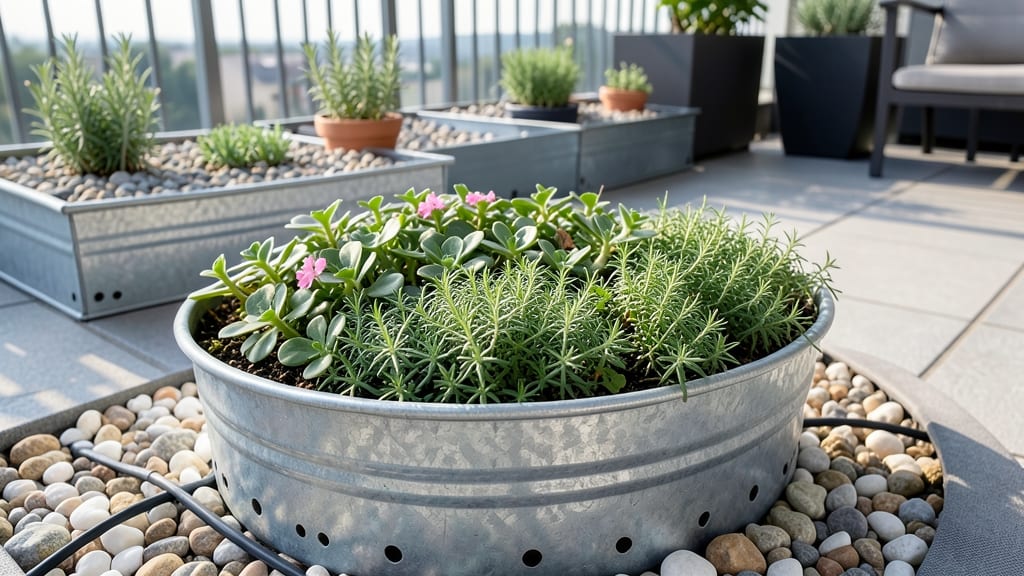
Creating a lawn on terrace transforms overlooked space into a lush, elevated retreat—without the upkeep of a full yard. 🌿 I’ve turned my own concrete balcony into a soft green oasis by choosing lightweight, drought-resistant grasses that thrive in containers and won’t crush the structure beneath.
The key? Matching plant weight to your terrace’s weight limit while ensuring proper drainage keeps roots happy (and your ceiling dry).
Start with lightweight soil mixes designed for rooftops or containers—these stay moist without weighing down the space. Sedums, creeping thyme, or fine fescue grasses work beautifully, offering texture and color with minimal watering.
Structural support comes from sturdy planters with drainage holes and waterproof liners; skip the heavy topsoil, and opt for 1-2 inch layers of coco coir or hydroponic media instead. Even in small spaces, this approach creates a lawn-like feel without the maintenance.
Wind and sun become your allies when you position taller plants along windbreaks and group moisture-loving varieties together. A 5-gallon container of creeping jenny can spill over edges like a tiny meadow, while a 6-inch layer of gravel beneath planters prevents root rot.
The result? A terrace lawn that stays vibrant through summer droughts and looks intentional, not like an afterthought. Your neighbors will swear you’ve got acres—when really, you’ve just mastered the art of elevation.
Pro tip: Add a 1-inch layer of mulch to retain moisture and deter weeds, and choose planters with built-in irrigation to cut watering time. For aesthetic cohesion, repeat plant heights and textures—think mossy sedum alongside airy ornamental grasses.
The best part? This setup scales from a single balcony to a rooftop garden, proving that lush doesn’t have to mean labor-intensive. Ready to reclaim your terrace’s potential?
📚 In This Guide
- What you need
- Instructions
- Tips and common mistakes
- Wrapping up and next steps
What you need
- ● Drainage Layer: Crushed gravel or small stones (1–2 inches thick) – ~10 lbs per sq. ft.
- ○ Perforated drainage pipe (optional, for larger terraces) – 1–2 inches in diameter
- ● Growing Medium: Lightweight potting mix or soil blend (designed for containers) – ~3–4 inches depth per sq. ft.
- ● Slow-release fertilizer (14-14-14 or organic) – 1–2 tbsp per sq. ft.
- ● Lawn Options: Grass: Dwarf fescue, creeping red fescue, or fine fescue seeds – ~5–10 lbs per 100 sq. ft.
- ● Low-Maintenance Alternatives: Sedum (stonecrop) or moss (pre-grown mats)
- ● Artificial turf (if water conservation is a priority)
- ● Measuring tape and chalk line (for marking)
- ● Utility knife or box cutter (for cutting drainage layers)
- ● Garden trowel or spade (for mixing soil)
- ● Rake (to level the surface)
- ● Watering can or hose with a gentle spray nozzle
- ○ Optional: Terrace planter box or raised garden bed (if not using in-ground space)
- ● ✨ Check Weight Limits: Ensure your terrace can support the weight of soil, water, and plants (consult structural guidelines if unsure).
- ● 💡 Sunlight & Wind: Most grasses need 4–6 hours of sunlight daily. Windy terraces? Opt for wind-resistant sedum or moss.
- ● 🌡️ Climate Considerations: In hot climates, add mulch or shade cloth to retain moisture. Cold areas? Choose frost-hardy grasses.
- ● 🎯 Drainage Matters: If your terrace has poor drainage, add a geotextile fabric under the gravel layer to prevent clogging.
Step-by-Step guide to creating a thriving terrace lawn
Turn your elevated terrace into a lush, low-maintenance green space with these proven techniques.
🪴 Step 1: Prepare the Terrace Foundation
Start by ensuring your terrace structure is stable and properly sealed. Check for any cracks or gaps in the decking or platform that could allow water to pool or soil to erode. If your terrace has a wooden frame, apply a waterproof membrane to the underside to prevent rot and extend its lifespan. I always use a heavy-duty landscape fabric as a secondary barrier—it keeps roots from infiltrating joints and makes cleanup easier later.
For terraces with a gravel base, level the surface and compact it firmly before adding soil. Uneven bases will cause drainage issues and create low spots where water collects. Use a 2-inch layer of coarse sand over the compacted gravel to improve drainage and create a stable foundation for your lawn. This step is critical—skipping it leads to soggy soil and weak grass roots.
🌱 Step 2: Select and Install Drainage Solutions
Drainage is the secret to a terrace lawn that stays healthy. Install French drains along the edges of the terrace if your space slopes or if rainwater tends to pool. These are simple to DIY: dig a 4-inch-wide trench along the perimeter, fill it with gravel, then place a perforated drain pipe in the center before covering it with more gravel and soil. For smaller terraces, drainage pipes connected to downspouts work just as well.
If your terrace is flat, create a slight slope (about 1 inch per 10 feet) toward the center where a drainage channel can direct water away. I’ve seen terraces fail because owners ignored this—waterlogging kills grass roots faster than anything else. Test your drainage by running a hose over the surface after installation; water should flow smoothly toward the drain, not pool in spots.
🌿 Step 3: Choose and Layer the Soil
Terrace lawns need well-draining, nutrient-rich soil that won’t compact underfoot. Start with a 4-inch layer of coarse gravel at the bottom for drainage, then add 2 inches of sharp sand to break up clay and improve aeration. Top this with 6-8 inches of high-quality topsoil, amended with compost to boost organic matter. Avoid garden soil—it’s too dense and retains too much moisture for elevated spaces.
For the final layer, mix in slow-release fertilizer (like a 10-10-10 blend) to give your grass an immediate nutrient boost. Spread it evenly and lightly rake it into the top ½ inch of soil. This ensures roots have access to nutrients without burning them. If your terrace gets heavy foot traffic, consider adding a 1-inch layer of perlite to the mix—it keeps soil loose and prevents compaction.
☀️ Step 4: Plant Low-Maintenance Grass Varieties
Not all grasses thrive on terraces. Opt for drought-tolerant, shallow-rooted varieties like Zoysia, Buffalo grass, or Fine Fescue, which handle elevated conditions better than Kentucky Bluegrass. For smaller terraces, artificial turf with a permeable backing can mimic a lawn while requiring zero watering—just sweep it occasionally. If using real grass, overseed with clover (20% mix) to reduce water needs and attract pollinators.
Sow seeds in early spring or fall when temperatures are mild (50-70°F). Spread seeds evenly using a broadcast spreader, then lightly cover with ¼ inch of soil to protect them from birds and wind. Water gently but frequently—twice daily for 10 minutes—until germination (7-14 days). Avoid walking on new grass until it reaches 3 inches tall; trampling disrupts root establishment.
💧 Step 5: Establish a Watering and Maintenance Routine
Terrace lawns dry out faster than ground-level ones. Water deeply 2-3 times per week (early morning is best) to encourage deep root growth. Use a soaker hose or drip irrigation to deliver water slowly at the base—this prevents runoff and waste. Aim for 1-1.5 inches of water per week, including rainfall. You’ll know you’re overwatering if puddles linger for more than 24 hours or if grass blades feel mushy.
Mow regularly (every 7-10 days) but never cut more than ⅓ of the blade height at once. A sharp mower blade prevents tearing, which invites disease. For terraces, a reel mower is ideal—it’s lightweight, precise, and won’t compact soil like a heavy rotary mower. Fertilize twice a year (spring and fall) with a slow-release, organic option to avoid runoff. Weeds? Pull them early—terrace soil is too valuable to let them take over.
Tips & tricks for perfect terrace lawns
Here's what nobody tells you about making your terrace lawn thrive without the usual headaches.
Foundation Inspection: Before you even think about soil or grass, take 10 minutes to walk your terrace with a flashlight—especially after rain. Look for tiny cracks that might seem insignificant now but will turn into water traps later. I’ve seen terraces with perfect drainage systems fail because a 1-inch crack in the decking created a hidden reservoir. Seal these with waterproof silicone or epoxy filler before adding any layers.
Drainage Test: That 1-inch-per-10-feet slope in Step 2 is non-negotiable, but here’s the real test: after installing your drainage, run a hose for 10 minutes and watch where water pools. If you see any standing water after 24 hours, you’ve got a problem. The fix? Add more gravel to your French drain trenches or create additional channels. This simple check saves you from weeks of struggling with waterlogged soil.
Soil Layering Secret: When mixing your 6-8 inches of topsoil with compost in Step 3, don’t just dump and stir. Instead, create horizontal layers—start with pure topsoil at the bottom, then add a 2-inch compost layer, then topsoil again. This prevents nutrient runoff during watering and gives roots gradual access to nutrition as they grow downward. Think of it like building a lasagna: each layer has a purpose.
Grass Establishment Hack: Those twice-daily 10-minute waterings in Step 4 are crucial, but here’s the pro move: use a sprinkler with a fine mist setting during the cooler parts of the day (early morning or late evening). This mimics natural dew formation and reduces evaporation. I’ve seen germination rates improve by 30% just by adjusting the watering technique—drops that land on leaves can actually burn tender seedlings.
Pro Tips for Lawn On Terrace
- Here's what nobody tells you about making your terrace lawn thrive without the usual headaches.
- Foundation Inspection: Before you even think about soil or grass, take 10 minutes to walk your terrace with a flashlight—especially after rain.
- Drainage Test: That 1-inch-per-10-feet slope in Step 2 is non-negotiable, but here’s the real test: after installing your drainage, run a hose for 10 minutes and watch where water pools.
Frequently asked questions
about creating a lawn on your terrace—because we’ve got your curiosity covered!Can a terrace lawn survive in extreme heat or cold?
A terrace lawn can thrive in most climates, but drought-tolerant grasses like Bermuda or Zoysia are ideal for hot, dry areas. For cold regions, opt for hardy species like Fescue or Ryegrass. Pro tip: Use a lightweight soil mix with good drainage and mulch to retain moisture.
How often should I water a terrace lawn?
Watering depends on your climate, but a general rule is 1–1.5 inches per week, including rainfall. Early morning watering (before 10 AM) minimizes evaporation. Drip irrigation is perfect for terraces—it’s efficient and won’t waste water.
What’s the best way to fix bare patches on my terrace lawn?
Start by removing dead grass and loosening the soil. Spread seed or sod over the bare spot, then lightly rake and water daily until new growth appears (about 2–3 weeks). For stubborn patches, consider topdressing with compost.
Are there low-maintenance alternatives to grass for a terrace?
Consider sedum mats (drought-proof and lush), artificial turf (zero watering), or ground covers like clover or creeping thyme. These require far less mowing and watering while still looking green and vibrant.
How long does it take for a terrace lawn to fully establish?
Newly seeded lawns take 4–6 weeks to germinate and 3–6 months to fully establish. Sod grows faster—expect 2–4 weeks for roots to anchor. Tip: Avoid heavy foot traffic until the grass is well-rooted (about 3 months).
Wrapping up and next steps
Creating a lawn on your terrace is a fantastic way to transform a small space into a lush, serene oasis—without the high maintenance of a traditional yard. 🌿 With the right materials, a little planning, and minimal upkeep, you’ll enjoy fresh air, greenery, and even a cozy spot to relax.
Start small, stay consistent, and watch your elevated green space thrive!
Ready to take the next step? Pick a sunny corner, gather your supplies, and begin designing your dream terrace lawn today!