
Pruning
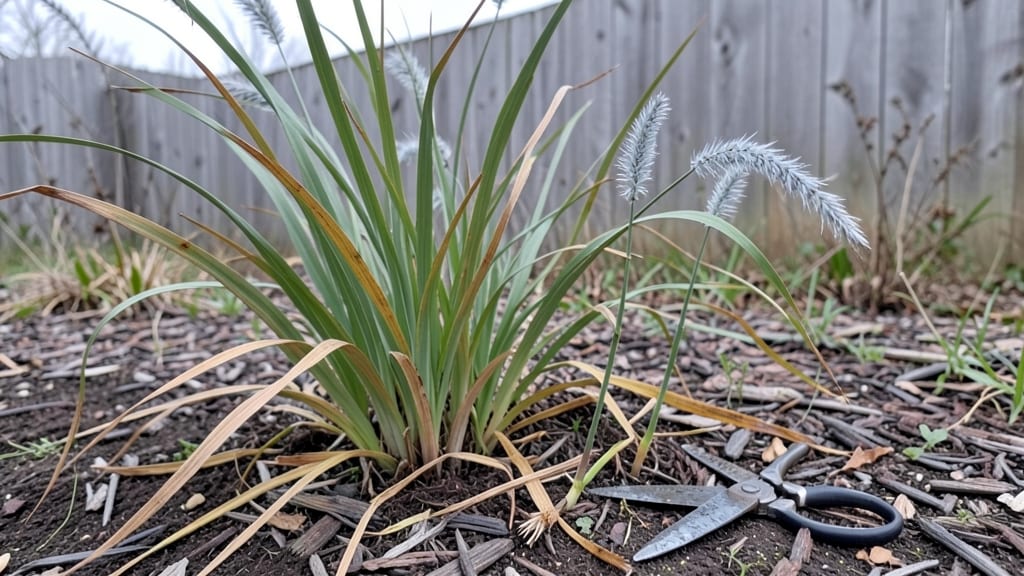
Cutting back decorative grasses in late winter reveals what you’ve been missing—how they’ll explode into shockingly lush growth by summer. I’ve learned the hard way that timing and technique make all the difference between a graceful renewal and a sad, bare clump.
The key isn’t just when to cut, but how to do it so the plant doesn’t panic and send out weak, scraggly shoots.
You’ll need sharp bypass pruners or a clean pair of hedge shears—dull tools crush stems and leave ragged cuts that invite disease. Grab a bucket for clippings and wear gloves; some grasses have razor-sharp edges.
The process takes 10-20 minutes per plant, depending on size, and the results are worth every minute. I’ve seen dormant clumps transform into velvety-green clouds by early spring.
Start by removing any dead or damaged foliage first—it’s the easiest part and prevents hidden pests from moving into fresh growth. Then cut back the previous year’s growth by about one-third to one-half, always cutting just above a node where new growth emerges.
The goal is to expose fresh, healthy tissue without scalping the plant. Afterward, a light application of compost around the base gives them a nutrient boost for their comeback.
Here’s the secret most people miss: don’t rush it. If you cut too early, you risk damaging new shoots trying to push through.
Wait until new growth appears—usually by late February or early March in most climates—and you’ll have a foolproof way to keep your grasses looking their best all season. The payoff? Grasses that stay full, vibrant, and ready to handle summer heat without wilting.
📚 In This Guide
- What you need
- Instructions
- Tips and common mistakes
- Wrapping up and next steps
What you need
- ● Pruning shears or hedge clippers – Choose bypass pruners (sharp, clean cuts) for grasses under 1 inch thick. For thicker stalks (1–2 inches), opt for bolster-cutting shears or loppers.
- ● Heavy-duty gloves – Look for gardening gloves with reinforced palms (e.g., mechanized or leather-coated) to protect against sharp edges and thorns.
- ● Pruning saw – For overgrown ornamental grasses taller than 4 feet or with thick, woody stems (e.g., Miscanthus, Pennisetum).
- ● Garden kneeler/pad – A comfortable, non-slip pad for kneeling or crouching during detailed trims.
- ● Trash bags or compost bin – Heavy-duty contractor bags (30–50 gallon) for clippings, or a compostable bin if repurposing.
- ● Rake or leaf blower – A stiff-bristle rake (for small areas) or leaf blower (for large volumes) to clear debris.
- ● Disinfectant spray – 70% isopropyl alcohol or hydrogen peroxide to sterilize tools and prevent disease spread.
- ● Hand pruners with extendable handles – For hard-to-reach areas (e.g., tall Giant Reed or Feather Reed Grass).
- ● Garden hose with spray nozzle – To rinse off tools and remove dust/debris from clippings.
- ● Labeling tags or markers – If identifying different grass varieties for future reference.
- ● Safety glasses – Recommended if working with very thick, dry grasses that may release dust.
Instructions for cutting back decorative grasses
Here’s how I refresh ornamental grasses for vibrant regrowth—no guesswork involved.
Time Your Cut Back for Seasonal Health
Late winter or early spring, before new growth begins, is the ideal time to cut back ornamental grasses. Look for the first signs of fresh shoots emerging from the base—this is your cue that the plant is waking up. If you live in a mild climate, you can trim back grasses after they’ve gone dormant in late fall, but wait until late winter in colder regions to avoid damaging tender new growth.
Never cut back in the middle of summer unless the grass is dead or diseased. This stresses the plant and removes the protective foliage that shields the crown from extreme temperatures. I always mark my calendar for early March to ensure I’m ready before the first flush of green appears.
Use the Right Tools for Clean Cuts
Grab your clean, sharp pruners or hedge shears—dull blades tear stems and leave jagged cuts that invite disease. I prefer bypass pruners because they make precise cuts without crushing the stems. Avoid using lawnmowers or string trimmers, as they can shred the grass and create uneven cuts that look unkempt.
Start by removing any dead, brown, or damaged foliage first. Cut these stems back to the base, but leave any healthy-looking stems intact until you’ve assessed the plant’s overall condition. If the grass looks completely dead, you can cut it back more aggressively, but most ornamental grasses will bounce back with just a light trim.
Trim to the Right Height for Renewal
For most ornamental grasses, cut back the foliage to about 2-3 inches above the ground. This height allows the plant to regrow while still protecting the crown from frost or harsh weather. If your grass has a thick, woody base, you can trim slightly higher—around 4 inches—to avoid cutting into the hardier lower stems.
Watch for the crown, which is the dense cluster of stems at the base. Never cut into it, as this can kill the plant. If you’re unsure where the crown ends, err on the side of leaving more foliage. You’ll see new shoots emerge from the center within a few weeks, signaling that your cut was successful.
Clean Up and Fertilize for Strong Regrowth
After trimming, gather all the clippings and dispose of them in your yard waste or compost bin. Leaving old foliage around the base can trap moisture and encourage fungal growth. I always rake the area lightly to remove any debris and ensure good airflow around the plant’s base.
Apply a balanced, slow-release fertilizer at half strength to encourage fresh growth. I use a 10-10-10 formula in early spring, following the package instructions for application rates. Water the grass thoroughly after fertilizing to help the nutrients absorb into the soil. Within 4-6 weeks, you should see lush, new growth filling out the plant.
Monitor and Adjust for Seasonal Changes
Keep an eye on your grasses throughout the growing season. If they start to look leggy or sparse, a light trim in mid-summer can encourage bushier growth. Avoid heavy cuts at this time, as it can stress the plant. Instead, focus on shaping and removing only the oldest or most unsightly stems.
In fall, once the grasses have turned golden or brown, you can leave them standing for winter interest. If you prefer a tidy look, cut them back in late fall, but avoid trimming too early—this removes the protective layer that shields the crown from winter cold. I always wait until the first hard frost before making any final cuts.
Tips & tricks for cut-back decorative grasses
Perfecting the art of cutting back ornamental grasses transforms them from tired to thriving—here’s how to avoid common pitfalls and achieve the best results.
Seasonal Timing is Everything: The late winter to early spring window is critical because it coincides with the plant’s natural dormancy period. If you’re in a mild climate, you can trim after dormancy in late fall, but in colder regions, waiting until late winter prevents damaging tender new growth that emerges early. I’ve learned the hard way that cutting too early can stress the plant and leave it vulnerable to frost damage.
Tool Selection Makes All the Difference: Using dull or improper tools can ruin your efforts. Bypass pruners are my go-to because they create clean cuts without crushing stems, which helps prevent disease. I avoid lawnmowers or string trimmers—they shred the grass and leave uneven cuts that look messy. Always clean your tools with rubbing alcohol between uses to prevent spreading any potential pathogens from plant to plant.
Height Matters for Healthy Regrowth: When cutting back to 2-3 inches above the ground, you’re striking the perfect balance between encouraging new growth and protecting the crown. For grasses with thicker, woody bases, you can trim slightly higher—around 4 inches—to avoid cutting into the hardier stems. I’ve found that leaving too much foliage can trap moisture, while cutting too low risks damaging the crown, which is the heart of your plant.
Fertilizer Timing and Technique: Applying a balanced, slow-release fertilizer like a 10-10-10 formula at half strength in early spring gives your grasses the nutrients they need without overwhelming them. Watering thoroughly after fertilizing helps the nutrients absorb into the soil. I’ve noticed that within 4-6 weeks, the difference in growth is remarkable—just be sure to follow the package instructions for the correct application rate to avoid over-fertilizing, which can harm the plant.
Pro Tips for Cut Back Decorative Grasses
- Perfecting the art of cutting back ornamental grasses transforms them from tired to thriving—here’s how to avoid common pitfalls and achieve the best results.
- Seasonal Timing is Everything: The late winter to early spring window is critical because it coincides with the plant’s natural dormancy period.
- Tool Selection Makes All the Difference: Using dull or improper tools can ruin your efforts.
Frequently asked questions
Got questions about cutting back decorative grasses?
You’re not alone! Here are the most common concerns—and straightforward answers—to help you tackle the task with confidence.
When is the best time to cut back ornamental grasses?
Timing depends on your climate and the grass type. In cold climates, wait until late winter or early spring (just before new growth starts). In milder zones, trim in late winter or early spring to avoid removing seed heads that provide winter interest. Never cut back in fall—this removes protective insulation for roots.
How short should I cut my decorative grasses?
Leave 3–6 inches of stubble (or half the plant’s height) to protect roots and encourage fresh growth. For example, if your grass is 4 feet tall, trim it down to 1.5–2 feet. Avoid cutting into woody bases—this can harm the plant. Use sharp shears or a string trimmer for clean cuts.
What if my grasses look dead after cutting back?
Don’t panic! Many grasses dormant in winter and re-sprout once temperatures rise. If your grass stays brown into spring, check for root rot (soggy soil) or pests. Give it time—some varieties like Miscanthus or Pennisetum may take 2–3 weeks to bounce back. Pro tip: Water lightly if your area has a dry spell.
Are there alternatives to cutting back grasses in winter?
Yes! If you love the textural winter interest, skip the trim and just tidy up debris around the base. For messy seed heads, use pruning shears to snip them off above the foliage instead of cutting the whole plant. Another option: Leave them for wildlife—birds adore the seeds!
How often should I cut back decorative grasses?
Most ornamental grasses only need one annual cut in late winter/early spring. However, if your grass grows very tall (like Giant Reed or Pampas Grass) or flops over, you may trim it once more in mid-summer to shape it. Always avoid over-trimming—healthy grasses thrive with minimal intervention.
Wrapping up and next steps
Cutting back your decorative grasses isn’t just about tidying up—it’s the secret to revitalizing their growth and keeping your landscape thriving year after year. Whether you’re trimming in late winter or early spring, the key is patience and precision. You’ve got this! 🌿✨
Ready to see the magic unfold? Grab your pruners and schedule your next pruning session—your grasses will thank you with bold, lush foliage that steals the show. Check out our seasonal pruning calendar for a foolproof timeline!