
Pests
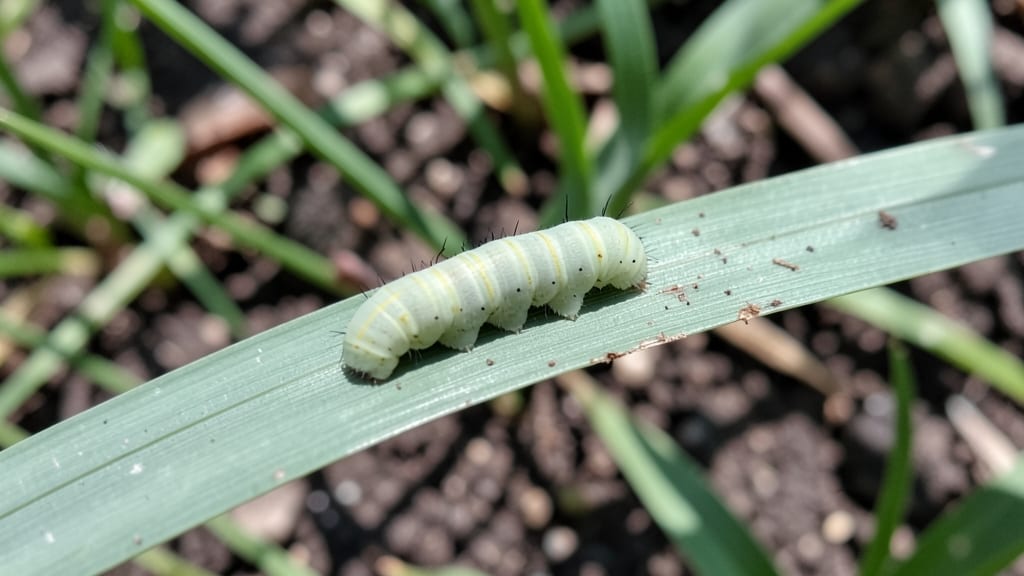
Caterpillars in grass aren't just a nuisance—they can turn your lawn into a skeleton of brown patches if left unchecked. 🌱 I learned that the hard way when my backyard transformed into a caterpillar buffet last summer, and I'm sharing how to spot them early and stop the damage before it starts.
The real problem isn't the caterpillars themselves but what they leave behind—skeletons of grass blades and weak spots that invite weeds.
Most gardeners wait until the damage is visible, but the key is acting when you see the first signs: tiny green worms, silken webbing, or irregular brown patches that grow overnight. Healthy lawns resist infestations better, so mowing high and watering deeply helps.
You'll eliminate 90% of the problem by encouraging natural predators like birds and parasitic wasps, which hunt caterpillars without harming your grass. For stubborn cases, targeted treatments like Bacillus thuringiensis (Bt) work faster than chemical sprays and won't harm pets or kids playing outside.
Works for home lawns, sports fields, and even golf courses—just adjust the scale of treatments. The secret is catching them early, when a few simple steps can save your entire lawn from becoming a caterpillar buffet.
The Hidden Reasons Behind Grass Caterpillars
Discovering caterpillars munching through your lawn can feel like a silent invasion—especially when you’re not sure why they’ve chosen your yard as their buffet. These tiny pests don’t just appear out of nowhere; their presence is often tied to specific environmental cues, plant preferences, and even human activity.
Understanding the why behind their behavior is the first step to reclaiming your grass without harsh chemicals. Let’s break down the key factors that turn your lawn into caterpillar central.
🌱 Ideal host plants are growing in your yard
Caterpillars are picky eaters, and certain grasses and plants act like a neon "Dine Here" sign for them. Here’s what attracts them:
- Grass types: Caterpillars like fall armyworms and sod webworms target warm-season grasses (e.g., Bermuda, St. Augustine, Zoysia) and cool-season grasses (e.g., Kentucky bluegrass, fescue) when they’re actively growing. Overwatered or stressed grass (from drought or poor drainage) is even more appealing—they’re essentially snacking on weakened plants.
- Weeds and broadleaf plants: Dandelions, clover, and other weeds often host caterpillars (like cutworms) before they migrate to grass. If your lawn has a patchwork of weeds, it’s a caterpillar buffet waiting to happen.
- Newly seeded lawns: Freshly planted grass seeds and tender sprouts are a caterpillar’s dream. They burrow into the soil to feast on roots or chew through young blades.
Actionable tip: Mow your lawn at the highest recommended height for your grass type (usually 3–4 inches) to discourage caterpillars. Thick, healthy grass is less vulnerable to infestations.
🌡️ Weather and seasonal triggers
Caterpillars are opportunistic—they time their meals based on temperature, moisture, and daylight. Here’s how weather plays a role:
| Season | Why Caterpillars Strike | Peak Activity |
|---|---|---|
| Spring | Warmth and moisture trigger egg hatching. Overwatered soil creates a perfect nursery for newly hatched larvae. | April–June |
| Summer | Drought-stressed grass becomes an easy target. Armyworms thrive in hot, humid conditions (80°F+). | July–August |
| Fall | Cooler temps slow growth, but cutworms and sod webworms seek shelter in thatchy grass or leaf litter. | September–October |
Pro tip: 🌡️ Monitor your lawn after heavy rain—excess moisture can lead to fungal growth, which indirectly attracts caterpillars by weakening grass roots.
🐛 Mating and egg-laying habits
Most grass caterpillars start as eggs laid by adult moths. Their breeding behavior explains why infestations seem to explode overnight:
- Nocturnal moths: Adult moths (like the fall armyworm moth) are active at dusk and dawn, laying eggs in warm, sheltered spots—such as the thatch layer of your lawn or under clumps of grass.
- Group egg-laying: A single female moth can lay hundreds to thousands of eggs in clusters. If you spot tiny white eggs on grass blades, it’s a red flag.
- Pheromone attraction: Moths use chemical signals to find mates, which can concentrate infestations in specific areas of your yard.
Actionable tip: 🔦 Install a UV or blacklight trap near your lawn in spring/summer to reduce adult moth populations before they lay eggs.
🏡 Human habits that invite them
Sometimes, our own lawn care routines create the perfect caterpillar paradise. Here’s how:
- Over-fertilizing: Excess nitrogen makes grass grow too fast, creating soft, tender blades that caterpillars love. It also attracts sap-sucking insects, which caterpillars prey on.
- Poor mowing practices: Cutting grass too short (below 2 inches) exposes soil and roots, making it easier for caterpillars to burrow. Bagging clippings instead of mulching can also remove egg masses.
- Ignoring thatch buildup: A thick thatch layer (over ½ inch) provides hiding spots for eggs and larvae. It also traps moisture, creating a caterpillar-friendly microclimate.
- Bringing in infested plants: Purchasing pre-grown sod or nursery plants with hidden caterpillar eggs is a common way infestations spread.
Pro tip: ✨ Dethatch your lawn in early spring to disrupt caterpillar life cycles. Use a lawn rake or verticutter to remove thatch layers where eggs may be hiding.
Now that you know why caterpillars are crashing your lawn party, the next step is learning how to evict them naturally. The good news? With the right strategies, you can outsmart these pests without resorting to chemicals.
Quick Fixes for Grass Caterpillar Woes
Discovering caterpillars munching away on your grass can be frustrating, but the good news is that most infestations can be managed naturally and effectively. Below, we’ve mapped common causes to practical solutions—plus prevention tips to keep your lawn caterpillar-free long-term. Let’s get started!
🐛 Overcrowded or Weak Grass → Strengthen Your Lawn
If your grass is already struggling from poor health, thin spots, or overcrowding, caterpillars will see it as an all-you-can-eat buffet. Here’s how to fortify your lawn:
- 🌱 Improve Soil Health Test your soil’s pH and nutrient levels. Most grasses thrive in slightly acidic soil (pH 6.0–7.0). Amend with compost or organic fertilizer to boost root growth, making grass more resilient to pests.
- ✂️ Mow Correctly Never cut more than one-third of the grass blade at a time. Set your mower to the highest recommended height for your grass type—taller grass shades out weeds and deters caterpillars by making it harder for them to hide.
- 💧 Water Deeply but Infrequently Water early in the morning (6–10 AM) to allow grass blades to dry quickly, reducing fungal risks. Aim for 1–1.5 inches per week, including rainfall. Deep watering encourages deep roots, which outcompete pests.
- 🌿 Overseed Bare Spots Fill thin or bare areas with grass seed matched to your lawn type. A dense turf leaves fewer hiding spots for caterpillars and their eggs.
🥚 Eggs or New Hatches → Manual Removal & Traps
Caterpillars start as eggs, so catching them early can save your lawn. Here’s how to interrupt their life cycle:
- 🔍 Inspect Grass Blades Look for tiny white or yellow eggs clustered on grass blades, especially in late spring or early summer. Use a magnifying glass and tweezers to remove them—drop them in soapy water to kill them.
- 🕷️ Use Sticky Traps Place yellow sticky traps (commonly used for flies) near infested areas. Some caterpillars, like armyworms, are attracted to the color and will get stuck.
- 🐛 Handpick Larvae (Yes, Really!) Early in the morning, when caterpillars are sluggish, walk your lawn with a flashlight and pick them off by hand. Drop them into a bucket of soapy water. This works best for small, localized infestations.
🌿 Heavy Infestation → Natural Predators & Sprays
If caterpillars have already taken over, it’s time to bring in reinforcements—or targeted treatments:
- 🐞 Introduce Beneficial Insects Encourage natural predators like ladybugs, lacewings, parasitic wasps, and birds. Install a birdhouse or insect hotel to attract these helpers. Avoid pesticides that harm them!
- 🍃 Apply Bacillus Thuringiensis (Bt) Bt kurstaki is a bacteria-based organic pesticide safe for humans, pets, and beneficial insects. It targets caterpillars’ digestive systems, killing them within days. Mix with water and spray in the evening when bees are less active.
- 🌿 Use Neem Oil Spray Neem oil disrupts caterpillars’ feeding and growth. Mix 1–2 tablespoons of neem oil with 1 teaspoon of mild soap in a gallon of water. Spray on infested areas, focusing on the undersides of leaves where eggs are laid.
- 🚫 Avoid Chemical Pesticides (When Possible) Broad-spectrum pesticides can harm pollinators and beneficial insects. If you must use chemicals, opt for imidacloprid or carbaryl (sevin) as a last resort, and follow label instructions carefully.
🛡️ Prevention Tips for Next Season
An ounce of prevention is worth a pound of cure! Keep caterpillars at bay with these long-term strategies:
- 🌱 Plant Deterrent Ground Covers Interplant your lawn with clover, creeping thyme, or moss to disrupt caterpillar movement and provide competition for grass.
- 🌿 Maintain Lawn Diversity A mix of grass types (e.g., fescue + bluegrass) makes it harder for pests to find a favored host. Avoid monocultures, which attract more caterpillars.
- 🕰️ Monitor Early & Often Check your lawn weekly during peak caterpillar seasons (spring to early summer). Early detection means quicker action!
- 🌍 Encourage Wildlife Leave some leaf litter or wild areas in your yard to attract toads, spiders, and birds—all natural caterpillar predators.
With these targeted solutions, you can reclaim your lawn without resorting to harsh chemicals. Start with prevention, then tackle infestations methodically. Your grass will thank you!
Frequently asked questions
What do grass caterpillars look like when they first appear?
Newly hatched caterpillars are tiny—often less than 1/8 inch long—and pale green or yellowish. As they grow, they develop darker stripes or spots. Look for their telltale signs: silken webbing, chewed grass blades, or small brown patches that appear overnight.
Are all caterpillars in grass harmful to my lawn?
Most grass caterpillars—like armyworms or sod webworms—can cause significant damage by devouring blades and roots. However, some species (like those from harmless moths) may not harm your lawn. The key is identifying the type: if you see large numbers or visible damage, act quickly.
How long does it take for caterpillar damage to become visible?
Damage can appear within just 24–48 hours if caterpillars are actively feeding. Early signs include irregular brown patches or grass blades with jagged edges. The sooner you spot them, the easier they are to control before the infestation spreads.
Can I use vinegar to kill grass caterpillars?
Vinegar won’t effectively kill caterpillars—it’s too mild for their tough exoskeletons. While it may kill some eggs on contact, it won’t reach larvae hiding in the soil or thatch. For better results, use Bacillus thuringiensis (Bt) or neem oil, which target their digestive systems.
Will birds or other wildlife help control caterpillars naturally?
Birds, toads, spiders, and parasitic wasps are natural predators of caterpillars. Installing a birdhouse or leaving leaf litter in your yard encourages these helpers. Just avoid pesticides that harm them—focus on organic solutions like Bt or manual removal first.