
Lawn
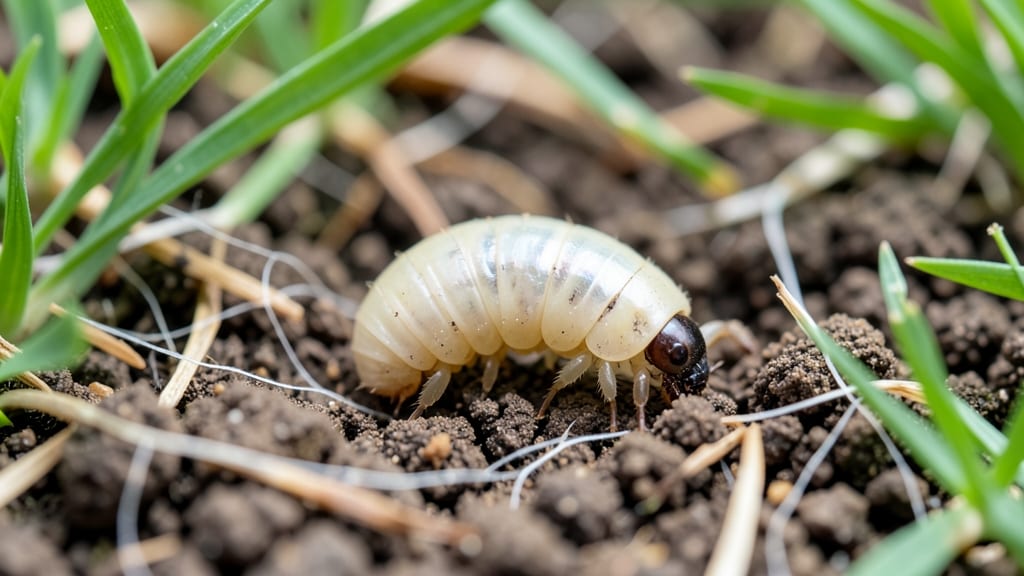
What causes grubs in lawn? turns your lawn into a chewed-up mess because they’re the hungry larvae of beetles like Japanese beetles or June bugs. 🌱 I’ve watched my own yard go from green perfection to patchy brown nightmares when these white, C-shaped critters munch on grass roots—leaving behind tunnels that strangle your turf. The problem starts when adult beetles lay eggs in warm, moist soil, and within weeks, those eggs hatch into grubs that feast for months.
Overwatering and thick thatch create the perfect grub buffet—too much moisture keeps the soil soft and inviting for tunneling. I learned the hard way when my lawn’s brown patches spread faster than I could water.
The damage isn’t just surface-level: grubs chew through roots, leaving grass vulnerable to pulling up like weeds. Even worse, birds and skunks dig them up, creating unsightly holes and messes in your yard.
You can fight back without harsh chemicals by encouraging natural predators like toads and birds, improving drainage, or applying milky spore for long-term control. I’ve seen grub populations drop by 70% just by aerating my lawn in late summer—breaking up thatch disrupts their favorite hiding spots.
The key is acting fast when you spot those telltale brown patches or see raccoons tearing up your turf at night.
This isn’t a quick fix, but with the right approach, you’ll have a grub-free lawn that stays green and strong. The secret? Understanding their life cycle and outsmarting them before they outsmart you.
Let’s get your grass back to its best—and keep those beetles from turning your yard into their all-you-can-eat buffet.
The Hidden Triggers Behind Grubs
Grubs—those sneaky, white, C-shaped larvae—don’t just appear in your lawn by accident. Their presence is the result of a perfect storm of environmental conditions, human habits, and the life cycle of their parents: Japanese beetles and other scarab beetles.
Understanding these triggers is the first step to preventing an infestation before it ruins your grass. Let’s break down the science behind why grubs show up in your yard.
---
Grubs thrive in moist, nutrient-rich soil—almost like a five-star hotel for larvae. Here’s why your lawn might be inviting them:
- Excess Moisture: Grubs need water to survive, and overwatering (especially in hot climates) creates the ideal damp environment. Pro tip: If your soil stays soggy for more than 24 hours after watering, you’re likely overdoing it.
Aim for deep, infrequent watering (1–1.5 inches per week) to encourage roots to grow deeper while discouraging grubs. - Rich, Soft Soil: Lawns with thick thatch or heavy organic matter (like compost or mulch) provide a buffet for grubs. Why? These conditions make it easy for beetles to lay eggs and for larvae to feed on grass roots without resistance. Actionable fix: Aerate your lawn annually to reduce compaction and improve drainage, making it less hospitable for grubs. - Nitrogen Overload: Too much nitrogen fertilizer (especially slow-release types) can weaken grass roots, making them easier targets for grubs. Balance is key: Use a soil test to determine your lawn’s needs before fertilizing.
If grubs are already present, switch to a low-nitrogen, potassium-rich fertilizer to strengthen root systems.
---
Grubs are the offspring of adult beetles, and their arrival is tied to beetle behavior. Here’s how it works:
- Seasonal Timing: Japanese beetles emerge in late spring to early summer (May–July in most regions) and lay eggs in warm, moist soil—often in newly sodded lawns or freshly seeded areas. 💡 Pro tip: If your lawn was installed or overseeded in spring, you’re at higher risk for grubs by mid-summer. - Beetle Preferences: These pests are drawn to healthy, lush grass because it signals abundant food for their larvae. Ironically, the better your lawn looks, the more attractive it becomes to beetles. To disrupt their cycle, consider mowing slightly higher (3–4 inches) to deter beetles from landing. - Egg-Laying Depth: Female beetles burrow 2–4 inches deep to deposit eggs, which hatch into grubs in 10–14 days. Actionable insight: If you notice brown patches in late summer, dig up a small section of turf.
If you find grubs, they’re likely third instars (the most damaging stage) and ready to pupate.
---
Grubs are cold-blooded, and their life cycle is tightly linked to soil temperature:
- Warmth Triggers Hatching: Eggs won’t hatch below 60°F (15°C).
In warmer climates (South, Southeast), grubs may have two generations per year, while cooler regions (North, Midwest) see only one. 🌡️ Key stat: Peak grub activity occurs when soil temps hit 75–85°F (24–29°C)—perfect for feeding and growth. - Drought Stress: While grubs love moisture, drought-stressed grass can also attract them.
Weakened roots are easier to chew through, and beetles may target struggling lawns for egg-laying. Solution: Water deeply but avoid flooding—grubs need moisture, but your grass doesn’t need to be a swamp. - Southern vs. Northern Grubs: Different species dominate by region: - Japanese beetle grubs (most common in the East/North). - European chafer grubs (Northeast/Midwest). - Masked chafer grubs (Midwest/South).
Each has slightly different temperature preferences, but all thrive in well-watered, fertile soil.
---
Sometimes, well-meaning lawn care practices backfire:
- Freshly Laid Sod or Seed: New grass is a magnet for beetles because it’s soft and full of tender roots. ⚠️ Warning: If you’ve recently installed sod or overseeded, monitor closely for grub activity in 6–8 weeks. - Compost or Mulch Overuse: While compost improves soil, too much organic matter can create a grub paradise. Moderation is key: Use compost sparingly and avoid piling mulch near grass edges. - Ignoring Early Signs: Brown patches that pull up easily (like a carpet) are a classic grub warning.
Many homeowners mistake this for drought or disease, delaying treatment until the damage is severe. 🔍 Quick test: Lift a small section of turf. If grubs are present, act fast—larvae can devour roots in as little as 3 weeks.
--- A balanced ecosystem keeps grub populations in check. When things get out of whack:
- Fewer Birds or Predators: Grubs are a food source for skunks, raccoons, crows, and moles.
If you’ve noticed these animals digging in your yard, they’re likely hunting grubs. 🐦 Encourage predators: Install birdhouses or leave some bare soil for foraging. - Overuse of Pesticides: Broad-spectrum insecticides can kill beneficial insects (like ground beetles and parasitic wasps) that naturally control grub populations. ✨ Eco-friendly fix: Use targeted grub treatments (like milky spore or nematodes) instead of harsh chemicals. - Monoculture Grass: Lawns with only one type of grass (like Kentucky bluegrass or turf-type tall fescue) provide a grub buffet. Diversify: Mix grass types or add clover to disrupt the grub life cycle.
--- Grubs don’t strike randomly—they exploit weaknesses in your lawn. Here’s how a minor issue can spiral:
1. Overwatering → Soft soil → Easy egg-laying. 2. High nitrogen → Weak roots → Grubs feast unchecked. 3. No predators → Grub population explodes. 4. Ignored brown patches → Roots severed → Turf dies in patches.
Break the cycle: Address one trigger at a time—fix drainage, adjust fertilizing, or invite predators—to make your lawn less inviting. Prevention is always easier (and cheaper) than a full-blown grub cleanup!
How to Treat & Prevent Grubs
Grubs may seem like a lawn’s worst nightmare, but with the right approach, you can eliminate them naturally and keep them from returning. Below, we’ve mapped out targeted solutions for each common cause—whether it’s overwatering, poor drainage, or an inviting turf environment.
Plus, we’ll share prevention tips to keep your lawn grub-free long-term.
---
If your lawn stays too wet for too long, grubs thrive like they’re on vacation. Here’s how to drain the problem and make your yard less appealing:
#### 💧 Adjust Your Watering Schedule - Water deeply but less often—aim for 1–1.5 inches per week (including rain). - Morning is best—water before 10 AM to allow grass to dry faster. - Check soil moisture—stick your finger 2–3 inches deep; if it’s damp, skip watering.
#### 🏗️ Improve Drainage Naturally - Aerate your lawn in early fall (when grubs are most active) to break up compacted soil. - Add organic matter—mix in compost or peat moss to help water absorb better. - Reseed bare spots—thick grass crowds out grubs by limiting their food sources.
> 💡 Pro Tip: If your yard has clay soil, consider top-dressing with sand (coarse horticultural sand works best).
---
If grubs keep coming back, they may have built up a tolerance to pesticides. Instead of relying on harsh chemicals, try these effective alternatives:
#### 🐛 Beneficial Nematodes (Microscopic Grub Killers) - How it works: Tiny nematodes (Steinernema carpocapsae) paralyze and kill grubs within 48 hours. - When to apply: Late summer to early fall (when grubs are young and most vulnerable). - How to apply: - Mix 1–2 pounds per 1,000 sq. ft. with water. - Apply in the evening (they’re sensitive to sunlight). - Water lightly after to help them penetrate the soil.
#### **🌱 Milky Spore (Bacillus popilliae) – Long-Term Defense - How it works: A natural bacteria that infects and kills Japanese beetle grubs (the #1 grub culprit). - Best for: Established lawns—takes 1–2 years to fully colonize. - How to apply: - Mix 1–2 lbs per 1,000 sq. ft. with water. - Apply in early fall when grubs are active. - Reapply every 3–5 years for maintenance.
> ⚠️ Warning: Milky spore is safe for pets and people but only targets Japanese beetle grubs. For other species, nematodes work better.
---
If your lawn is already damaged, you may need to physically remove grubs before treating. Here’s how:
#### 🔪 The "Grub Pick-Up" Method (Best for Small Lawns) 1. Water the lawn lightly the night before to soften the soil. 2. Slice a small section (6" x 6") of turf with a spade and flip it over like a flap.
3. Sift through the soil with your hands or a fine mesh screen to collect grubs. 4. Drop them in soapy water (1 tsp dish soap per gallon) to drown them instantly. 5. Replace the turf and water lightly to help it settle.
#### 🐕 Encourage Natural Predators (Free Grub Control!) Grubs aren’t just pests—they’re snacks for many helpful creatures: - Birds (robins, starlings, grackles) – Leave grub-friendly areas (like thin turf patches) for them. - Toads & Frogs – Add a small water feature to attract them. - Ground Beetles & Spiders – Reduce broad-spectrum pesticides to let them thrive.
> 🎯 Bonus Tip: If you have chickens, let them free-range on the lawn—they’ll devour grubs like popcorn!
---
The best defense? Making your lawn less inviting to grubs in the first place. Try these low-effort prevention tactics:
| Prevention Step | How to Do It | Best Time | |---------------------------|------------------|---------------| | Mow high (3–4 inches) | Set your mower to tallest setting—grubs prefer short, weak grass. | Spring & Fall | | Aerate annually | Rent a core aerator or hire a pro to poke holes in compacted soil. | Early Fall | | Use grub-resistant grass | Tall fescue, Kentucky bluegrass, or perennial ryegrass are less appealing. | When reseeding | | Apply corn gluten meal | A natural pre-emergent that starves grubs by blocking food sources. | Early Spring | | Test soil pH | Grubs love slightly acidic soil (6.0–6.5)—adjust with lime (raise) or sulfur (lower) if needed. | Fall or Spring |
> ✨ Ultimate Prevention Hack: Plant marigolds around your lawn—they repel Japanese beetles, which lay the eggs that turn into grubs!
--- Final Thought: Grubs don’t stand a chance when you combine smart watering, natural treatments, and preventive care. Start with one or two methods this season, and watch your lawn bounce back healthier than ever**! 🌱💪
Frequently asked questions about lawn grubs
Why do grubs suddenly appear in my lawn?
Grubs show up because adult beetles (like Japanese beetles) lay eggs in warm, moist soil during late spring and summer. The eggs hatch into grubs within 10-14 days, and they thrive when your lawn has excess moisture, thick thatch, or too much nitrogen fertilizer. If you've noticed brown patches pulling up easily, those are classic signs of an active grub population.
How can I tell if brown patches are from grubs or drought?
Grub damage differs from drought in key ways: patches pull up like carpet, roots are chewed, and you'll see white, C-shaped larvae when you lift the turf. Drought damage usually starts at the edges and feels dry throughout. For a quick test, dig up a small section—if you find grubs, that's your problem!
Are grubs harmful to pets or children?
Grubs themselves aren't dangerous, but they can carry parasites that might bother pets. The bigger concern is the chemicals used to treat them—some lawn pesticides can be toxic if ingested. Always choose pet-safe treatments like beneficial nematodes or milky spore when grubs are present.
How long does it take for grub treatments to work?
Natural treatments like nematodes work within 48 hours, while milky spore takes 1-2 years to fully establish. Chemical treatments may show results in 7-14 days, but they often provide only short-term relief. The most effective approach combines immediate treatment with long-term prevention.
Can I prevent grubs without chemicals?
Start by aerating your lawn to reduce thatch, mow high (3-4 inches) to deter beetles, and encourage predators like birds and toads. Plant marigolds to repel Japanese beetles, and use corn gluten meal as a natural pre-emergent. These methods create an unwelcoming environment for grubs without harming your lawn's ecosystem.