
Lawn
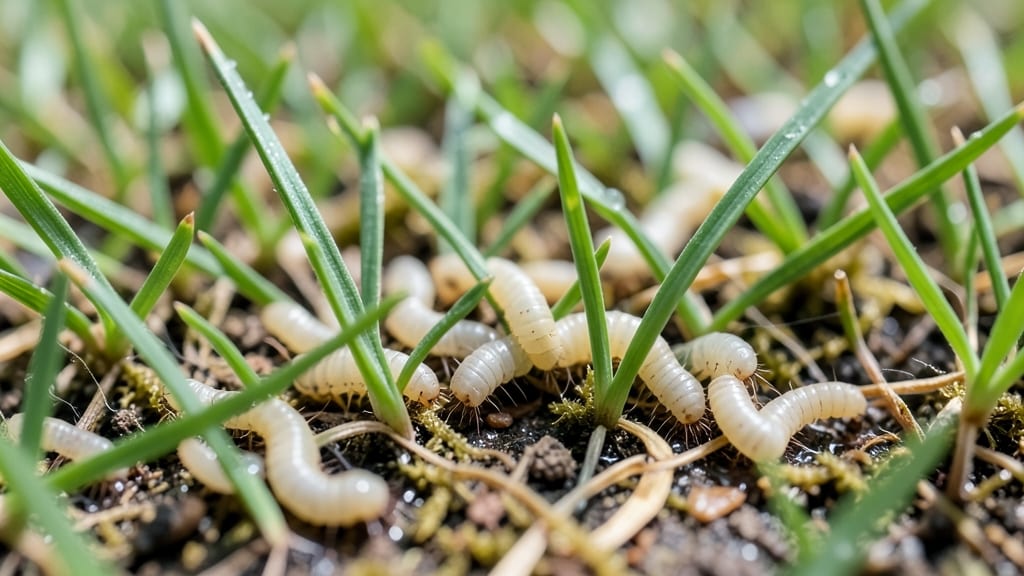
Maggots in your lawn aren’t just gross—they’re a warning sign your grass is under attack. 🌱 I’ve watched entire lawns turn into Swiss cheese from Japanese beetle larvae, and the key to stopping them isn’t just killing what’s there, but breaking their life cycle before they multiply.
The good news? You can disrupt their growth in 48 hours with the right approach—no harsh chemicals required.
These squirming white grubs aren’t picky eaters—they devour roots, leaving behind brown patches that look like drought damage. Birds pecking at your lawn? That’s their way of saying, “Dinner’s ready.”
The real issue isn’t the maggots themselves, but the adult beetles or crane flies that laid the eggs in the first place. Without intervention, one generation turns into hundreds in weeks.
What you’ll learn here is how to starve them out, drown their eggs, and restore your lawn’s health so it becomes an unwelcoming place for future infestations. No more guessing whether those brown spots are grubs or just dry grass—you’ll spot the signs early and act fast.
The best part? These methods work for both organic gardeners and those who prefer a stronger hand.
We’ll cover everything from quick fixes to long-term prevention, so whether you’re dealing with a small patch or a full-blown invasion, you’ll have the tools to turn your lawn back into the lush green carpet it should be. Let’s get started—your grass is waiting.
The Hidden Triggers Behind Lawn Larvae
If your lawn is suddenly hosting an unwelcome party of wriggling larvae, don’t panic—it’s usually a sign of a few predictable (and fixable!) conditions. Understanding why these critters show up helps you disrupt their life cycle fast. Here’s the science-backed breakdown of what’s inviting them to your yard.
Moist, soggy lawns are like all-you-can-eat buffets for fly larvae. When soil stays damp for too long—whether from overwatering, poor drainage, or heavy rainfall—it creates the perfect breeding ground for flies (like house flies or fungus gnats) to lay their eggs.
Within 24–48 hours, those eggs hatch into maggots, feasting on organic matter in the soil.
- Why it happens: Flies seek moist environments to lay eggs because larvae need hydration to survive. If your lawn stays wet longer than 48 hours, you’re signaling: "Free meal here!"
- Actionable fix:
- Test your soil’s drainage—poke a hole with a screwdriver. If water pools after 6+ hours, amend with sand or compost.
- Water deeply but less often (early morning is best) to avoid surface moisture buildup.
- 💡 Pro tip: Aerate compacted soil in fall to improve airflow and reduce soggy spots.
Maggots thrive where organic matter decomposes—think grass clippings, fallen leaves, or thick thatch layers. These layers trap heat and moisture, accelerating bacterial and fungal growth, which in turn attracts flies to lay eggs. A thatch layer thicker than ½ inch is a red flag.
- Why it happens: Decomposing plant matter releases ammonia and other compounds that flies detect as "food signals." The thicker the thatch, the longer moisture lingers, extending the larval feast.
- Actionable fix:
- Rake up debris regularly—especially after mowing or in fall.
- Dethatch your lawn in early spring using a rake or dethatching machine (set to no deeper than ¼ inch to avoid damaging roots).
- 🔥 Quick hack: Spread a thin layer of dry sand over the lawn to absorb excess moisture and disrupt egg-laying sites.
Too much nitrogen—especially from synthetic fertilizers—spikes microbial activity in the soil. While this might seem like a good thing for grass, it also creates a maggot magnet. Flies are drawn to soils with high ammonia levels (a byproduct of rapid decomposition), and certain fertilizers can even attract egg-laying flies.
- Why it happens:
- High-nitrogen fertilizers (like quick-release formulas) cause grass to grow fast, but the roots can’t keep up, leading to thatch buildup and anaerobic (oxygen-poor) zones—maggot paradise.
- Some broadleaf herbicides or fungicides can stress grass, making it more susceptible to fly infestations.
- Actionable fix:
- Switch to slow-release or organic fertilizers (like compost or fish emulsion) to avoid nitrogen spikes.
- 🌡️ Test your soil: A pH of 6.0–7.0 is ideal. If it’s off, amend with lime (to raise pH) or sulfur (to lower it).
- ✨ Natural deterrent: Sprinkle diatomaceous earth (food-grade) lightly over the lawn—it dehydrates larvae on contact.
Yes, even your dog’s "business" is a maggot buffet. Feces contain proteins and moisture that flies love for egg-laying. Within 12–24 hours, those eggs hatch into larvae, burrowing into the soil to feed on organic waste—and sometimes, your grass roots.
- Why it happens: Dog urine and feces raise soil nitrogen levels 10x faster than fertilizer, creating a temporary "hotspot" for fly activity. Even horse or rabbit droppings can trigger infestations.
- Actionable fix:
- Pick up pet waste immediately—don’t let it sit overnight.
- 👨🍳 DIY fix: Sprinkle baking soda over dog urine spots to neutralize nitrogen (but rinse after 24 hours to avoid harming grass).
- 🎯 Preventative step: Train pets to use a designated area (like a gravel patch) away from the lawn.
Now that you know the real culprits behind your lawn’s larval party, the next step is disrupting their life cycle in 48 hours. The good news? Most of these fixes are simple, natural, and fast—no harsh chemicals required.
Quick Fixes for Lawn Grubs
Discovering maggots wriggling in your lawn can feel like a nightmare, but the good news is that most infestations can be resolved in 48 hours or less with the right approach.
The key is identifying the root cause—whether it’s overwatering, poor drainage, or an overabundance of organic debris—and applying targeted solutions. Below, we break down the most effective fixes, organized by the most common causes of maggot invasions.
If your lawn stays soggy for days after rain or watering, it creates the perfect breeding ground for grubs. Excess moisture traps organic matter, which attracts flies to lay eggs.
#### 💧 Step 1: Improve Drainage - Test your soil: Dig a small hole (6 inches deep) and fill it with water. If it drains in under 6 hours, your soil is fine. If not, you need help. - Aerate compacted soil: Rent a core aerator to create holes (2–3 inches deep) every 3–4 inches. This helps water absorb faster. - Add sand or compost: Mix coarse sand or organic compost into the top 2–3 inches of soil to improve drainage. #### 🌱 Step 2: Reduce Moisture Retention - Water deeply but less often: Instead of daily light sprinkles, water 1–1.5 inches per week (including rain) and let the soil dry between sessions. - Rake up thatch: A thick layer of dead grass and debris holds moisture. Use a rake to break it up and improve airflow. - Consider a French drain: If your yard has low spots, install a shallow underground drain to redirect water. #### ⏰ Prevention Tip:💡 Pro Tip: Install a rain gauge or use a tuna can to measure rainfall—overwatering is the #1 cause of maggot outbreaks!
Leaves, grass clippings, and even pet waste provide food and shelter for grubs. A quick cleanup can disrupt their life cycle fast.
#### 🧹 Step 1: Remove Debris Immediately - Rake up leaves and clippings—especially in shaded or damp areas where they pile up. - Bag and dispose of grass clippings (don’t mulch them back into the lawn). - Pick up pet waste—dog and cat feces are a magnet for flies. #### 🌡️ Step 2: Adjust Mowing & Fertilizing - Mow high (3–4 inches): Taller grass shades out moisture and discourages fly landings. - Avoid nitrogen-heavy fertilizers in late summer/fall—grubs thrive on fresh organic matter. - Use slow-release, organic fertilizers instead to reduce food sources for larvae. #### ✨ Prevention Tip:🌿 Pro Tip: Spread a thin layer of diatomaceous earth (food-grade) over affected areas—it dehydrates grubs naturally without chemicals!
Female flies seek out damp, organic-rich soil to lay eggs. Breaking their cycle early stops new infestations.
#### 🪰 Step 1: Use Fly Traps - Hang protein bait traps (like those for houseflies) near the lawn—flies get caught before they lay eggs. - DIY apple cider vinegar trap: Mix vinegar, sugar, and a drop of dish soap in a bowl. Cover with plastic wrap, poke holes, and place near grubs. #### 🌡️ Step 2: Apply Natural Repellents - Neem oil spray: Mix 2 tbsp neem oil with 1 gallon of water and 1 tsp mild soap. Spray on soil—it disrupts fly reproduction. - Coffee grounds: Sprinkle used grounds around the lawn edge—flies dislike the smell. - Citrus or eucalyptus essential oils: Dilute 10 drops of oil in water, spray on soil, and reapply after rain. #### 🎯 Prevention Tip:🔥 Pro Tip: Plant marigolds, lavender, or catnip around your lawn—their scents repel flies naturally!
If your lawn looks like a buffet for grubs (brown patches, spongy soil, or animals digging), you’ll need a stronger approach.
#### 🐛 Step 1: Hand-Pick or Dethatch - For small areas: Dig up sections of sod, sift out grubs with a fine mesh screen, and replant healthy turf. - For large areas: Rent a dethatcher to remove the top ½ inch of thatch where grubs hide. #### 💊 Step 2: Use Beneficial Nematodes - Order Heterorhabditis bacteriophora nematodes (sold online or at garden centers). - Apply at dusk: Mix with water, spray on soil, and water lightly to help them spread. - Reapply in 2 weeks if infestation persists. #### 🚫 Chemical-Free Emergency Fix:💡 Pro Tip: Spread food-grade diatomaceous earth over the entire lawn—it’s safe for pets once settled but deadly to grubs within 48 hours!
Once you’ve kicked the maggots out, these habits will keep them from moving back in:
- 📅 Water in the morning—evening watering keeps soil damp overnight, inviting flies.
- 🌱 Test soil pH—grubs prefer slightly acidic soil (6.0–6.5). Adjust with lime if needed.
- 🐦 Encourage predators—birds (like robins), toads, and ground beetles eat grubs. Leave some "wild" areas of your yard.
- 🍂 Fall cleanup is critical—remove leaves and debris before winter when flies emerge.
With these fixes, your lawn can go from maggot-infested mess to lush, grub-free paradise in just a few days. The key is acting fast—don’t let those flies turn your yard into their nursery!
Frequently asked questions
Why do maggots suddenly appear in my lawn?
Maggots show up when flies detect damp, organic-rich soil—perfect breeding grounds. Heavy rainfall, overwatering, or thick thatch layers create the ideal conditions. Flies lay eggs in these spots, and within 24-48 hours, they hatch into maggots feeding on roots and debris.
Are maggots harmful to my grass?
Yes, they damage grass by eating roots, causing brown patches that look like drought stress. Severe infestations can kill entire sections of lawn. The good news? You can reverse damage by removing maggots and improving soil health.
How do I tell if my brown patches are maggots or drought?
Lift a small section of grass—if you see white, worm-like larvae (½ inch long), it's maggots. Drought damage has dry, brittle roots, while maggot damage shows spongy soil and increased bird activity digging for grubs.
Can I use vinegar to kill maggots?
Vinegar won't kill maggots directly, but a 1:1 vinegar-water spray can help dry out soil and discourage future fly egg-laying. For immediate results, use food-grade diatomaceous earth or beneficial nematodes instead—they're more effective.
Will my lawn recover after maggot treatment?
Once you remove maggots and improve drainage, grass typically recovers within 2-4 weeks. Overseed bare spots with grass seed and maintain proper watering to restore a healthy lawn. The key is acting fast before roots weaken further.