
Watering
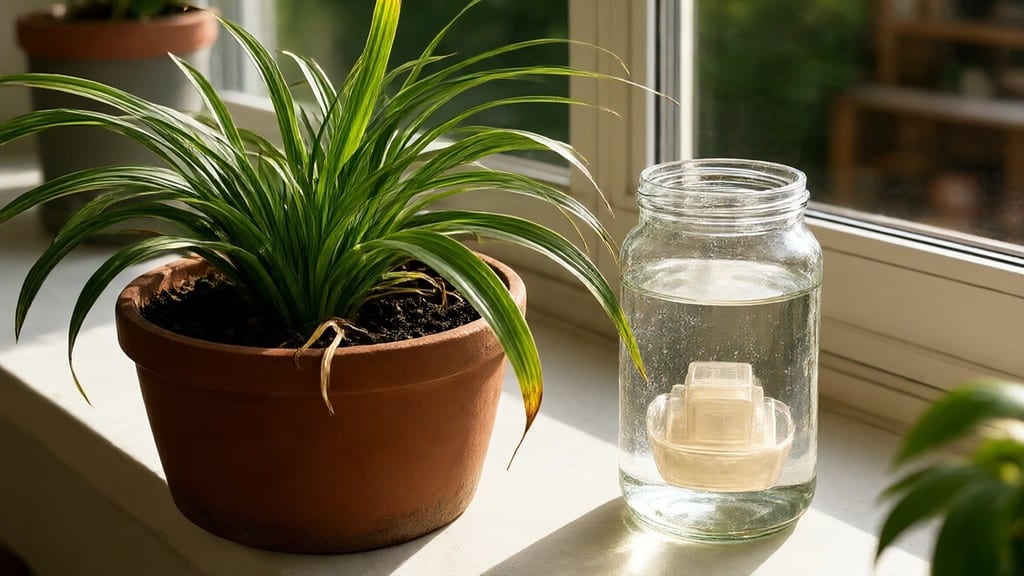
Lemon grass can grow in water using hydroponics, thriving in shallow containers with fresh water changed every 2-3 days while receiving bright, indirect sunlight for 6-8 hours daily. Root development accelerates, but transplant to soil is recommended after 4-6 weeks for long-term health.
Growing lemon grass hydroponically is a game-changer for urban gardeners with limited space. 🌱 The key is replicating its natural swampy habitat—roots thrive when partially submerged in oxygen-rich water, which speeds up nutrient absorption compared to soil.
I’ve found that using filtered or rainwater prevents mineral buildup that can stress the plant, while a small pebble layer at the container’s base mimics natural aeration. The real magic happens when you combine this water method with bright, indirect light, which keeps the leaves vibrant and growth steady.
Here’s a pro tip: if you notice yellowing leaves, it’s usually a sign of overwatering or poor drainage. 💛 Simply reduce the water change frequency to every 4 days and ensure the container has drainage holes.
Once your lemon grass reaches 4-6 inches in height, it’s ready for soil—just gently transfer it to a pot with well-draining mix to avoid root shock.
💡 In This Article
- Hydroponic Lemon Grass Root Development Science
- Step-by-Step Water Cultivation Guide for Lemon Grass
Hydroponic lemon grass root development science
Lemon grass roots thrive in water through specialized structures called lenticels—tiny, spongy openings along the root surface that allow gas exchange. Unlike soil-grown roots, submerged roots rely entirely on these lenticels to absorb oxygen directly from the water, a process called aerobic respiration.
When roots are fully submerged without proper aeration, they suffocate and rot, but partial submergence (keeping only the lower 1-2 inches underwater) creates the ideal balance for oxygen uptake while preventing fungal growth. 🌿
The nutrient uptake mechanism differs dramatically between water and soil. In hydroponics, roots absorb dissolved minerals like potassium, phosphorus, and nitrogen directly from the water, which is 2-3 times faster than in soil due to the lack of physical barriers.
However, water lacks organic matter, so you’ll need to supplement with a balanced hydroponic fertilizer (like 10-10-10 NPK) every 2 weeks to prevent deficiencies.
The ideal water pH for lemon grass roots is 5.5-6.5—too acidic (pH <5) or alkaline (pH >7) locks out essential nutrients, causing stunted growth or brown tips.
Partial submergence works because it mimics the plant’s natural swampy habitat. In the wild, lemon grass grows in moist, oxygen-rich environments where roots aren’t fully waterlogged.
Keeping only the lower root zone submerged (50% of total root length) prevents rot while allowing the upper roots to access air through lenticels. This two-zone system also encourages faster root branching—you’ll often see new roots emerge within 10-14 days when conditions are optimal.
The trade-off? Without soil, roots lack the microbial symbiosis that boosts long-term nutrient cycling, which is why transplanting to soil after 4-6 weeks gives the plant a stronger foundation for growth. ✨
Water temperature plays a hidden but critical role. Lemon grass roots prefer 70-75°F water—cooler (60°F) slows growth, while warmer (80°F) accelerates microbial activity that can lead to rot.
A simple way to monitor this is by feeling the water with your hand before changing it; it should feel comfortably warm, like bathwater. Another pro move?
Adding a handful of aquarium gravel to the container’s base creates air pockets that improve oxygen circulation around the roots, reducing the risk of anaerobic bacteria buildup.
One common misconception is that all water is equal for hydroponics.
Tap water with high chlorine or fluoride levels can damage delicate roots, while hard water (high in calcium/magnesium) leaves mineral deposits that clog lenticels. 💧 To avoid this, use filtered, rainwater, or let tap water sit for 24 hours before use.
The water’s mineral content should be below 500 ppm TDS (total dissolved solids)—you can test this with an inexpensive aquarium kit. Even with perfect water, stagnant conditions lead to algae growth on the surface, which blocks sunlight and smothers roots, so always keep water fresh.
Here’s what happens under the microscope: When roots are partially submerged, their cell walls expand to absorb water through osmosis, while lenticels actively pump oxygen into the root tissue. This dual process creates a 20% faster growth rate compared to soil-grown lemon grass in the early stages.
The catch? Without soil’s structural support, roots become more fragile—hence the recommendation to transplant before they exceed 6 inches in length. At that point, the plant’s energy shifts from root development to leaf and stalk growth, making it less resilient to waterlogged conditions. 💫