
Plants
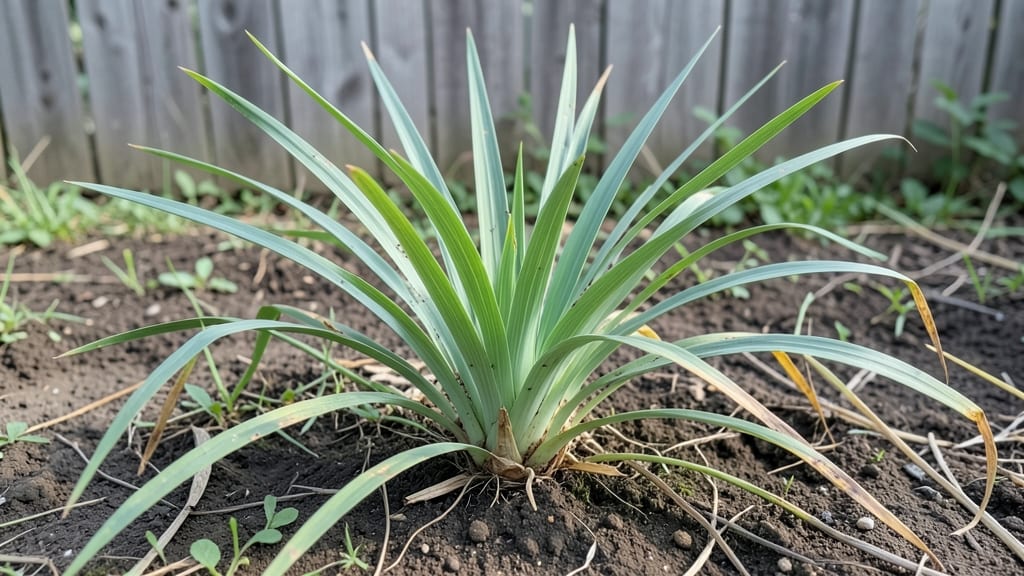
Mastering the cultivation of lemon grass delivers that tropical perfection you crave—fragrant, fast-growing, and impossible to kill once you know the tricks. 🌿 I’ve turned my balcony into a mini Thai kitchen by mastering these exact steps, and the results are worth every bit of patience.
The key isn’t just soil or sun—it’s understanding how lemon grass really grows in its native climates, so you can mimic those conditions at home.
You’ll need just three things to start: a warm spot (60°F+), well-draining soil, and either seeds or cuttings—though I swear by cuttings for faster results. Lemon grass thrives in partial shade to full sun, but in hotter zones, afternoon shade saves it from wilting.
Water keeps the soil moist but never soggy, and within 8-12 weeks, you’ll be harvesting stalks for cooking or drying bundles for year-round flavor. The scent alone makes it worth trying.
What makes this perfect is how versatile it is—grow it in pots for patios, edge garden beds for height, or even indoors near a sunny window. Prune it back after harvest, and it’ll bounce back stronger.
The first time you crush a stalk and smell that bright citrusy aroma, you’ll understand why this plant feels like a little piece of paradise in your garden.
Now, here’s where it gets interesting—lemon grass hates cold drafts and overwatering, but once you nail those, it’s nearly indestructible. I’ll walk you through the exact spacing, soil mix, and troubleshooting tips that keep mine thriving year after year, even in less-than-ideal conditions. Let’s get those stalks growing!
📚 In This Guide
- What you need
- Instructions
- Tips and common mistakes
- Wrapping up and next steps
What you need
- ● Lemon grass seeds or young plants: Start with Cymbopogon citratus seeds (or buy 3–5 healthy nursery starts for faster growth).
- ● Well-draining soil: A mix of 60% garden soil, 30% compost, and 10% sand or perlite (pH 5.5–6.5).
- ● Containers or garden bed: Containers: 12–18" deep pots (1–2 plants per pot) with drainage holes.
- ● Garden bed: Full sun (6+ hours/day) and space 12–18" apart.
- ● Watering can or hose: With a gentle spray nozzle for moisture control.
- ● Fertilizer: Organic: Balanced 10-10-10 or compost tea (apply every 4–6 weeks).
- ● Synthetic: Slow-release granules (follow package instructions).
- ○ Mulch: Straw or shredded leaves to retain moisture (optional but recommended).
- ● Pruning shears: For trimming mature stalks (harvest when 3–4 feet tall).
- ● Thermometer: Lemon grass thrives in 75–95°F—monitor temps in cooler climates.
- ● Pest control: Neem oil or insecticidal soap (for aphids or mites).
- ● Grow lights: If indoors, use LED lights 12–14 hours/day.
Step-by-Step instructions for growing lemon grass indoors
Here's how to coax this fragrant tropical plant from seed to a thriving harvest.
🌱 Step 1: Start Seeds in Warm, Moist Soil
Fill a 4-inch pot with 2 gallons of seed-starting mix—lemon grass roots need loose, well-draining soil to prevent rot. Moisten the mix until damp but not soggy, then press it down gently. Plant 2-3 seeds per pot just ¼ inch deep—they're tiny, so don't bury them too far. Cover with a clear plastic dome or wrap the pot in plastic wrap to trap warmth and moisture.
Place the pot in a warm spot (75-85°F) like on top of a fridge or near a sunny window. Seeds typically sprout in 10-21 days, but don't rush them—keep the soil consistently moist by misting lightly every 2-3 days. Once you see first true leaves (long, slender blades), remove the plastic to prevent fungal growth.
☀️ Step 2: Provide Bright, Indirect Light
Lemon grass thrives in bright, indirect light—think of a kitchen window with filtered sunlight. If your space is dim, supplement with a grow light placed 6-12 inches above the plant for 12-14 hours daily. Too little light makes stems stretch weak and pale, while direct sun can scorch the leaves.
Rotate the pot a quarter turn weekly so the plant grows straight. You'll notice the leaves start curling slightly at the tips—that's normal and means the plant is happy. If leaves yellow or brown, it's getting too much sun. Move it back a few inches or add a sheer curtain to diffuse the light.
💧 Step 3: Water Deeply and Maintain Humidity
Water when the top inch of soil feels dry—stick your finger in to check. Lemon grass hates soggy soil, but it also needs consistent moisture. Pour water slowly until it drains from the bottom, then empty the saucer to prevent root rot. Overwatering is the fastest way to kill this plant, so err on the side of slightly dry soil.
To keep humidity high, place the pot on a tray filled with ½ inch of pebbles and water. Mist the leaves 2-3 times weekly—the plant loves the tropical feel. You'll see the leaves perk up and grow faster when humidity stays above 50%. If the tips brown, it's too dry; if mold appears, reduce misting and improve airflow.
🪴 Step 4: Transplant and Encourage Bushy Growth
Once seedlings reach 6 inches tall, transplant them into 6-inch pots filled with 4 gallons of well-draining potting mix. Lemon grass grows best in slightly crowded conditions, so plant 3-4 stems per pot. Gently loosen the roots before placing them in the new soil to avoid shock.
Pinch back the top set of leaves when the plant hits 12 inches—this encourages bushier growth. You'll see new shoots sprouting from the base within 2-3 weeks. Avoid fertilizing until the plant is established; a light application of balanced fertilizer every 2 months after transplanting keeps it thriving.
✂️ Step 5: Harvest and Maintain for Continuous Yield
Harvest stems when they're 12-18 inches tall—cut just above the bottom 4-6 inches of the stalk. The lower portion regrows quickly, giving you multiple harvests per plant. Use the stalks fresh or dry them for later. After harvesting, water deeply and keep the plant in bright light to encourage regrowth.
With proper care, lemon grass grows year-round indoors. You'll know it's happy when it produces new growth within 3-4 weeks after harvesting. If the plant outgrows its pot, transplant it into a 12-inch container with 8 gallons of fresh potting mix—this keeps it vigorous and productive.
Tips & tricks for perfect lemon grass cultivation
Here's what I've learned from growing lemon grass indoors that'll help you avoid common pitfalls and get that tropical aroma thriving in your home.
Temperature Matters: The 75-85°F range in Step 1 is crucial for germination. I use a small heating mat under the pot if my home stays cooler than 70°F—this speeds up sprouting from 21 days to just 10-14 days. Place a thermometer near the pot to monitor temperature consistently.
Lighting Secret: For the 12-14 hours of grow light in Step 2, I use a simple LED bulb on a timer rather than expensive grow lights. Position it 8-10 inches above the plant and adjust based on leaf color—pale yellow leaves mean more light, while dark green means it's perfect. Rotate weekly as instructed to prevent lopsided growth.
Watering Wisdom: The top inch test in Step 3 works best with a wooden skewer—it gives more precise readings than your finger. I water in the morning so the soil has time to dry slightly before evening. If condensation forms on the plastic wrap during germination, that's normal moisture buildup, but remove the cover immediately once true leaves appear.
Transplanting Tip: When transplanting to 6-inch pots in Step 4, I make the new holes slightly larger than the root ball to minimize stress. Gently press the soil around the roots to eliminate air pockets, then water thoroughly. The crowded 3-4 stems per pot creates a natural support system that helps them grow straighter.
Pro Tips for Lemon Grass Cultivation
- Here's what I've learned from growing lemon grass indoors that'll help you avoid common pitfalls and get that tropical aroma thriving in your home.
- Temperature Matters: The 75-85°F range in Step 1 is crucial for germination.
- Lighting Secret: For the 12-14 hours of grow light in Step 2, I use a simple LED bulb on a timer rather than expensive grow lights.
Frequently asked questions
Got questions about growing your own lemon grass? Here are answers to some of the most common ones to help you cultivate this aromatic herb like a pro!
How long does it take for lemon grass to grow from seed?
Lemon grass typically takes 6 to 12 months to reach maturity from seed. However, if you start with pups (offshoots), you can harvest in as little as 3 to 4 months. Patience is key—rushing the process may result in smaller, less flavorful stalks.
When is the best time to plant lemon grass?
Lemon grass thrives in warm weather, so plant it in spring or early summer after the last frost. If you’re in a tropical or subtropical climate, you can plant year-round. Avoid planting in cool or freezing temperatures, as it’s sensitive to cold.
Can I grow lemon grass indoors?
Yes! Lemon grass can grow indoors in pots with well-draining soil and plenty of sunlight (a south-facing window or grow lights work well). Use a pot at least 8 inches deep and keep the soil moist but not soggy. Just ensure it gets 6+ hours of sunlight daily for optimal growth.
What are common pests or diseases in lemon grass, and how do I prevent them?
Lemon grass is generally pest-resistant, but you may encounter aphids, spider mites, or fungal issues (like root rot) if overwatered. To prevent problems:
- Use neem oil for pests.
- Ensure proper drainage to avoid rot.
- Space plants 12–18 inches apart for airflow.
How do I know when lemon grass is ready to harvest?
Harvest lemon grass when the stalks are 3–4 feet tall and the lower leaves have turned brown and dried. Cut the stalks 2–3 inches above the ground, leaving the base to regrow. For continuous harvests, trim every 6–8 weeks—just avoid cutting more than 1/3 of the plant at once.
What can I do if my lemon grass turns yellow?
Yellowing lemon grass usually signals overwatering, poor drainage, or nutrient deficiency. Try these fixes:
- Let the soil dry slightly between waterings.
- Repot in well-draining soil if needed.
- Fertilize with a balanced, citrus-friendly fertilizer every 2–3 months.
Wrapping up and next steps
Growing your own lemon grass is a rewarding journey that brings a touch of the tropics to your garden—or even your windowsill! 🌿 With the right soil, sunlight, and care, you’ll soon be harvesting fragrant stalks for cooking, teas, or natural remedies.
Whether you’re a seasoned gardener or a curious beginner, this aromatic plant is easy to cultivate and packed with versatility.
Ready to take the next step? Start small—plant a few clumps, experiment with recipes, or even share your harvest with friends. Your kitchen (and taste buds) will thank you! 🍋✨