
Lawn
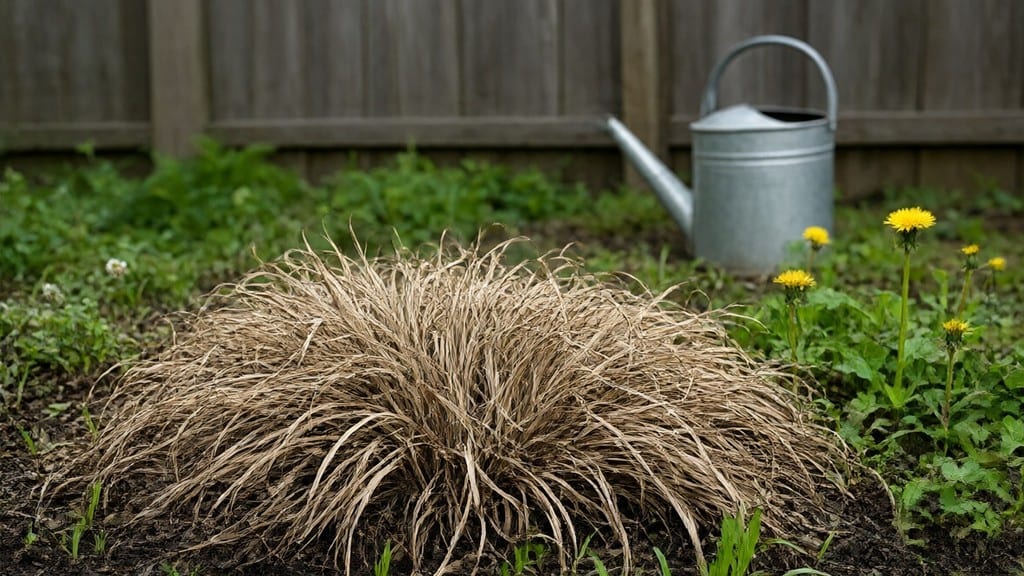
Can dead grass come back? It depends—if the roots are still alive, recovery is possible with proper care, including consistent watering, sunlight exposure, and healthy soil conditions. Brown patches may bounce back with attention, while completely dead grass needs reseeding or sod replacement.
Grass survival hinges on its root system—even if blades turn brown, underground life may persist. 🌱 When roots stay intact, they can push out new growth given the right conditions: 1-1.5 inches of weekly water, 6+ hours of sunlight daily, and nutrient-rich soil.
I’ve seen patches revive after droughts or foot traffic when given 4-6 weeks of consistent care, but if roots are mushy or crumbly, the grass is truly dead. Warm-season grasses (like Bermuda) are more resilient than cool-season types (like fescue), which struggle in heat.
For stressed lawns, start with a soil test to check pH and nutrients—most recovery failures stem from poor soil health. Aerating compacted areas and applying a slow-release fertilizer can trigger regrowth, while overseeding in early fall adds density.
If the lawn stays brown after 8+ weeks of effort, it’s time to reseed or lay new sod. The key is patience: grass doesn’t grow overnight, but with the right approach, even "dead" patches can surprise you.
💡 In This Article
- How to Tell If Dead Grass Has a Chance to Regrow
- Step-by-Step Guide to Reviving Dormant or Stressed Grass
How to tell if dead grass has a chance to regrow
Grass survival starts underground—roots determine whether your lawn can bounce back. When grass blades turn brown but roots remain white and firm, they’re likely dormant rather than dead. This happens when moisture levels drop below 15% (measured by soil moisture meters), triggering a survival mechanism called dormancy.
Warm-season grasses like zoysia enter dormancy at 50°F or below, while cool-season types like Kentucky bluegrass slow growth in summer heat. The key visual clue? Pull a small patch—if roots snap cleanly (not mushy or hollow), they’re still alive and capable of regrowth with proper care. 🌱
Texture and color reveal critical details about root health. Healthy roots feel firm and springy, while dead roots collapse like wet paper when touched. Look for green shoots near the base—these indicate stored energy in the roots is still active.
Even in winter, some grasses (like tall fescue) maintain 20-30% root viability, allowing them to push through snow for early spring growth. The soil’s temperature also matters: roots stay active down to 40°F, but below 32°F, cellular damage occurs, making recovery unlikely.
This is why late-winter brown patches often revive in spring if roots survived.
Seasonal patterns create false positives for \"dead\" grass. For example, summer dormancy in warm-season grasses can mimic death—blades turn straw-like but roots remain alive. Test this by watering deeply (1 inch per week) and watching for green shoots within 2-3 weeks.
Cool-season grasses, however, struggle when soil temperatures exceed 85°F, causing permanent damage if drought persists for 6+ weeks. The science here involves photosynthesis shutdown: without moisture, chlorophyll production halts, but roots can revive once conditions improve, provided they haven’t rotted.
Professional lawn care often uses the \"thumb test\" for root inspection: dig a 2-inch-deep sample and check for white, fibrous roots. If you see black or hollow roots, fungal decay has set in, and regrowth is impossible.
Another telltale sign is soil crusting—a hard, dry top layer that blocks water and oxygen, suffocating roots. This often happens in clay soils where moisture evaporates quickly. The fix? Aerate to break up compaction and apply 1-2 inches of compost to restore porosity.
Even \"dead\" lawns can recover if roots are just dormant, but the window for revival narrows after 8-10 weeks of inactivity. 💡
Grass types behave differently under stress. Warm-season grasses (Bermuda, St. Augustine) can survive 3-4 weeks of drought with roots intact, while cool-season types (ryegrass, fescue) may die in 2 weeks if soil moisture drops below 10%.
The reason? Warm-season grasses have deeper root systems (6-12 inches) that access groundwater, whereas cool-season grasses rely on shallow (2-4 inches) moisture. This explains why southern lawns often recover faster after droughts—deeper roots access hidden water reserves.
For northern climates, early spring is the best time to assess recovery potential, as roots begin photosynthesizing again when soil temps reach 50°F.
Don’t overlook the role of mycorrhizal fungi—these beneficial soil organisms form symbiotic relationships with grass roots, enhancing water and nutrient uptake. Healthy roots often appear white with tiny thread-like structures (hyphae) clinging to them, a sign of active fungal networks.
When roots die, these fungi also perish, disrupting the soil ecosystem. Rebuilding this balance requires compost tea or fungal inoculants, which can jumpstart recovery in stressed lawns. The takeaway?
Even if your grass looks dead, the roots might still be holding on—give them a chance with the right conditions. 🌿