
Diseases
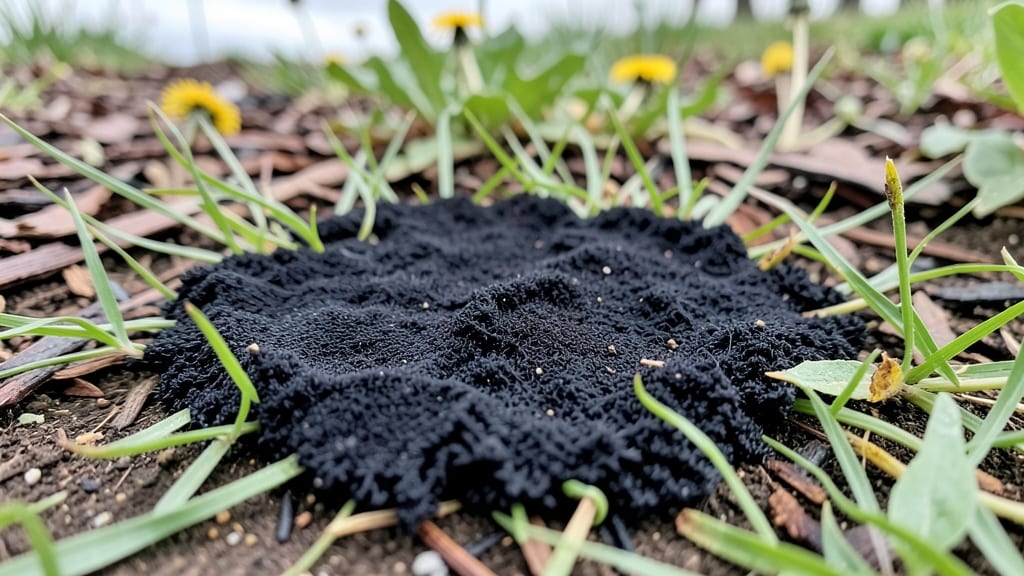
Black slime mold in grass turns your lawn into a slick, jet-black eyesore overnight—like someone spilled ink across your yard. 🌱 I’ve battled this stubborn problem after heavy rain, and the good news is, it’s not fungus, it’s not permanent, and you don’t need harsh chemicals to fix it.
The key is acting fast before it spreads.
This slimy mess thrives when grass stays damp too long—think shaded areas, thick thatch, or overwatered spots. It’s not hurting your lawn, but it sure looks gross, and neighbors might ask questions.
The fix starts with simple steps: raking up the mold (don’t bag it—it’ll just spread), improving drainage, and giving your grass some airflow. No fancy tools needed, just elbow grease.
Within a week, your lawn will look fresh again—no more black stains, just healthy green grass. The mold disappears when conditions change, and with a few tweaks to your watering or mowing habits, it’ll stay that way.
Prevention is easier than cleanup, and I’ll show you how to keep it from coming back.
Works for any grass type, from fescue to Bermuda, and even saves you from calling the lawn care pro. Let’s get that lawn looking sharp again—without the mess.
Why it happens
Black slime mold in grass isn’t just an eyesore—it’s a fascinating (and often misunderstood) response to specific environmental triggers. While it may look like a sign of poor lawn care, the truth is more nuanced.
This dark, slimy growth thrives under precise conditions, often tied to moisture, organic matter, and even your lawn’s microbial balance. Let’s break down the key factors that turn your grass into a temporary petri dish for black slime mold.
🌧️ Excessive Moisture & Humidity
Slime mold spores lie dormant in soil until they encounter the perfect storm: high humidity and prolonged wetness. Unlike traditional fungal infections, slime molds aren’t parasitic—they feed on decaying organic matter (like dead grass clippings, leaves, or compost) and thrive when moisture levels are consistently high.
Here’s why it happens:
- Overnight dew or rain: If your lawn stays damp for more than 12–24 hours (e.g., from heavy dew, sprinklers, or poor drainage), slime mold spores activate and spread across the grass blades like a living film. 🌿
- Shady, low-lying areas: Slime mold loves spots where air doesn’t circulate well—think dense thickets, valleys in your yard, or under trees. These areas trap moisture longer, creating ideal conditions. 🌳
- Overwatering: While grass needs water, excessive irrigation (especially late in the day) can drown the soil, suffocating beneficial microbes and encouraging slime mold growth. ⚠️
Pro tip: If your lawn is prone to slime mold, water early in the morning (before 10 AM) to allow foliage to dry by evening. Avoid nighttime watering—this simple habit can drastically reduce outbreaks. 💡
🍂 Organic Debris Buildup
Slime mold doesn’t just appear out of nowhere—it’s a feeder. These organisms (specifically Fuligo septica or "dog vomit slime mold") break down dead plant material, so they’re often found where organic matter accumulates. Common culprits include:
- Thatch layers: A thick thatch layer (that spongy layer between soil and grass) traps moisture and decomposing matter, creating a buffet for slime mold. 🏗️
- Leaf litter or mulch: Piles of fallen leaves, grass clippings, or wood chips provide both food and moisture, accelerating growth. 🍃
- Compost or manure: Freshly applied compost or animal waste can introduce spores and nutrients, triggering outbreaks. 🐄
Think of slime mold as nature’s recycling crew—it’s only a problem when it’s too efficient. Regularly removing debris (especially in fall) can starve it out. ✨
🌡️ Temperature & Seasonal Triggers
Slime mold isn’t a year-round pest—it’s a seasonal visitor, typically appearing when temperatures and moisture align just right. Here’s the science:
| Season | Conditions | Why It Happens |
|---|---|---|
| Spring | 50–70°F (10–21°C), frequent rain | Warm, wet soil wakes up dormant spores after winter dormancy. Early spring rains + cool nights create the perfect "slime mold window." ⏳ |
| Fall | 55–65°F (13–18°C), high humidity | Leaves and grass clippings decompose rapidly, while cooler temps slow evaporation—ideal for slimy growth. 🍁 |
| Summer (rare) | High heat + afternoon thunderstorms | Only occurs in humid climates where storms saturate lawns without enough sunlight to dry them quickly. ☀️🌧️ |
Key takeaway: Slime mold is rarely a summer problem—it peaks in transition seasons when moisture and temps are in flux. If you see it in summer, check for irrigation issues or poor drainage. 🔍
🌱 Lawn Density & Microbial Imbalance
A healthy lawn isn’t just about green grass—it’s about a balanced ecosystem. Slime mold can exploit imbalances caused by:
- Thin or stressed grass: Areas with bare spots or weak turf (from drought, pests, or disease) provide easy access to soil nutrients, inviting slime mold. 🌱
- Overuse of fungicides: While slime mold isn’t a fungus, harsh chemicals can disrupt beneficial microbes that compete with slime mold for resources. 🧪
- Compacted soil: Poor aeration reduces oxygen, slowing decomposition and creating anaerobic pockets where slime mold thrives. 🏗️
Solution: Core aeration in fall can improve soil health and reduce future outbreaks. Aim for a lawn with 70–80% ground cover—thicker grass outcompetes slime mold naturally. 💪
How to Fix Black Lawn Stains Fast
Black slime mold in your grass might look alarming, but the good news is that it’s usually harmless and disappears with a little effort. Since this fungus thrives in damp, shaded conditions, the key to fixing it is drying out the lawn and removing the slime before it spreads.
Below, we’ll break down the best solutions based on the root cause—whether it’s overwatering, poor drainage, or humidity—plus tips to keep it from coming back.
🔥 If Overwatering Is the Culprit: Dry It Out
Black slime mold loves moisture, so cutting back on watering is the first step to starving it out.
- 💧 Reduce watering frequency: Water your lawn deeply but less often (e.g., 1–1.5 inches per week, including rainfall). Early morning is best to allow grass to dry quickly.
- 🌬️ Improve airflow: Trim back overgrown grass or nearby bushes to let sunlight and air reach the soil. Even a slight breeze helps evaporate excess moisture.
- ⏰ Wait for natural drying: Avoid walking on or raking the slime—it’ll only spread. Give it 24–48 hours to dry on its own.
🍳 If Poor Drainage Is the Issue: Fix the Wet Spots
If your lawn stays soggy after rain, slime mold will keep returning. Here’s how to fix it:
- 🔨 Aerate compacted soil: Rent a core aerator to create holes in the lawn (spring or fall is ideal). This helps water drain instead of pooling.
- 🌱 Level low spots: Fill depressions with a mix of topsoil and sand (50/50 ratio) to improve drainage. Rake smooth afterward.
- 🌿 Choose drought-tolerant grass: If your lawn is prone to staying wet, consider replacing it with tall fescue or buffalo grass, which handle moisture better.
👨🍳 If Humidity Is the Problem: Break the Cycle
Shady, humid areas (like under trees or in low-traffic spots) are slime mold magnets. Try these fixes:
- ☀️ Increase sunlight exposure: Thin out dense tree canopies or prune branches to let more light reach the grass. Even partial sun helps.
- 🌡️ Use a dehumidifier (for severe cases): If your yard is in a perpetually damp microclimate, a small outdoor-safe dehumidifier near the affected area can help.
- 🍂 Rake up debris: Remove fallen leaves, thatch, or mulch that traps moisture against the grass.
🥘 When All Else Fails: Clean Up the Slime
If the mold is already widespread, manual removal is the fastest way to restore your lawn’s appearance.
- 🧹 Sweep or rake gently: Once dry, use a hard plastic rake or leaf blower to lift and remove the black residue. Avoid metal rakes—they can damage grass.
- 🚿 Hose down stubborn spots: A strong stream of water can dislodge thick patches. Let the lawn dry completely afterward.
- ⚠️ Avoid fungicides: Slime mold isn’t a disease—it’s just a nuisance. Fungicides won’t help and may harm beneficial microbes in your soil.
🎯 Prevention Tips to Keep It Away
Once you’ve tackled the current outbreak, these habits will help prevent future slime mold:
- 💡 Mow high: Keep grass at 3–4 inches tall to improve airflow and reduce moisture retention.
- 🌡️ Water early: Always water before 10 AM so grass has all day to dry.
- 🌱 Test your soil: A simple pH test (ideal range: 6.0–7.0) ensures your lawn isn’t too acidic, which can worsen fungal issues.
- ✨ Dethatch annually: Remove thatch buildup (layer of dead grass) with a dethatching rake to prevent moisture traps.
With these steps, your lawn should look as good as new in no time—and stay that way! 🌿
Frequently asked questions
Is black slime mold harmful to my grass?
No, it’s completely harmless to your lawn—it won’t damage grass or spread to plants. The slimy black patches are just a temporary nuisance caused by moisture-loving microbes breaking down organic matter. Your grass will recover fully once conditions dry out.
Why does it look like spilled ink or vomit?
That’s because black slime mold (Fuligo septica) produces a dark, gelatinous mass that resembles either ink or—you guessed it—dog vomit! The name comes from its appearance, not its behavior. It’s a natural organism that thrives in damp, shaded areas with decaying plant matter.
Will raking spread the mold to other areas?
Only if the slime is still wet! Once it dries completely (usually within 24–48 hours), you can safely rake it up without spreading spores. For stubborn patches, use a leaf blower first to lift the debris gently before raking.
Can I use vinegar or bleach to kill it?
Skip the harsh chemicals—vinegar or bleach aren’t necessary and can harm your lawn’s soil microbes. Slime mold disappears on its own when moisture levels drop. Focus on improving drainage, reducing shade, and letting the lawn dry out naturally.
How do I prevent it from coming back next season?
Start with these simple fixes: water early in the morning, mow grass at 3–4 inches for better airflow, and aerate compacted soil in fall. Clear debris like leaves and thatch, and consider thinning dense tree canopies to let sunlight reach the grass.