
Lawn
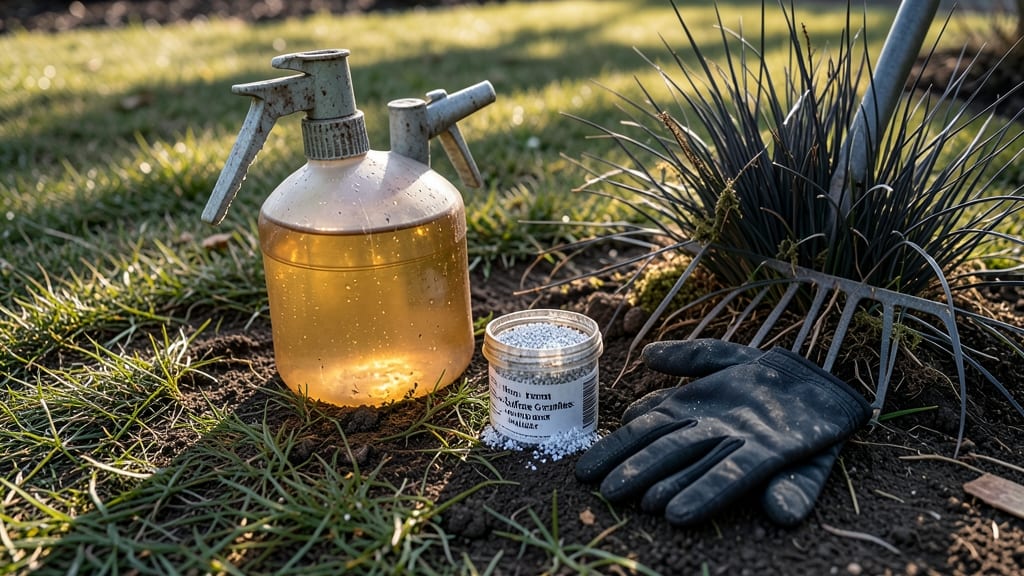
A moss killer that turns your lawn black isn’t just an eyesore—it’s a wake-up call. 🌱 I’ve seen this happen after overzealous applications, and the good news is, your lawn can bounce back faster than you think.
The blackened patches aren’t always permanent; they’re often a sign of stress, not death. The culprit is usually overapplication or chemical burn, especially if the moss killer contains iron sulfate or other harsh actives. Vinegar-free options exist, but even those can stress grass if misused.
The key is acting fast—within 24 hours—to flush out residues and revive the roots before permanent damage sets in. You’ll need a few simple tools: a garden hose, a stiff rake, and some overseeding mix (if your grass is thin).
Start by watering the area deeply to dilute any lingering chemicals, then gently rake away dead moss. Within a week, you’ll see green shoots pushing through if the roots are still alive.
Prevention is easier than repair: spot-treat moss with targeted applications, avoid broad spraying, and test your soil first. A healthy lawn crowds out moss naturally—so focus on grass, not the invader.
📚 In This Guide
- What you need
- Instructions
- Tips and common mistakes
- Wrapping up and next steps
What you need
- ● Garden hose (with adjustable nozzle) – For thorough rinsing
- ● Leaf blower or stiff-bristle broom – To remove debris and dead moss
- ● Lawn rake (dethatching rake) – For aerating compacted soil
- ● Garden gloves – To protect your hands from chemicals and sharp debris
- ● Compost or organic mulch (2–3 bags, ~1–2 cubic feet each) – For nutrient boost
- ● Water-soluble fertilizer (high in nitrogen, ~20-0-5 ratio) – 1–2 lbs per 500 sq ft
- ○ Baking soda or lime (optional) – To neutralize soil pH if needed (1–2 lbs per 100 sq ft)
- ● Lawn overseeding mix – For patchy areas (1–2 lbs per 500 sq ft)
- ● Soil test kit – To check pH and nutrient levels before fertilizing
- ● Lawn roller (lightweight) – To help seed-to-soil contact
- ● Rain barrel or watering timer – For consistent hydration post-treatment
Step-by-Step revival for blackened lawn after moss killer
Here’s how to nurse your lawn back to life—naturally and without vinegar—when moss killer turns your grass dark and patchy.
💧 Step 1: Test Soil Moisture and Water Deeply
Before touching anything, stick your finger 2 inches deep into the soil. If it feels bone-dry, your lawn is stressed and needs immediate hydration. Water slowly and deeply—aim for 1 inch of water over the entire area. Use a rain gauge or tuna can to measure; most sprinklers overwater or underdeliver.
Watering too fast causes runoff, which washes away nutrients and leaves grass roots thirsty. Break it into two 30-minute sessions with a 2-hour gap to let the soil absorb properly. You’ll know it’s right when the top 1-2 inches of soil feel damp but not soggy.
☀️ Step 2: Rake Out Dead Moss and Loosen Soil
Grab a stiff-bristle rake and gently scrape away blackened moss and dead grass clumps. Don’t dig too deep—just ¼ inch—or you’ll damage healthy roots. Focus on areas where the lawn looks slimy or spongy underfoot. Bag the debris to prevent it from smothering new growth.
After raking, use a lawn aerator (or a garden fork) to poke 3-4 inch deep holes every 6 inches apart. This lets air, water, and nutrients reach the roots where they’re needed most. If you don’t have an aerator, stomp on the lawn in a grid pattern—yes, really. The shock helps break up compacted soil.
🌱 Step 3: Apply a Thin Layer of Compost or Fertilizer
Spread a ¼-inch layer of compost or slow-release granular fertilizer (look for one with high nitrogen for quick recovery). Avoid clumping the material—use your hands to gently break up any lumps. This feeds the soil microbes that will help decompose the moss killer residue and restore grass health.
Lightly water again to settle the compost into the soil. Avoid heavy watering now—you want the compost to spread evenly, not wash away. If you see bare spots, sprinkle a handful of grass seed (like Kentucky bluegrass or fescue) directly over them. Keep the seed moist for the next 7-10 days—this is critical for germination.
⏰ Step 4: Mow High and Adjust Care Routine
Set your mower to its highest setting (usually 3-4 inches) and trim the lawn once the grass reaches 3 inches tall. Longer grass shades the soil, reducing weed competition and holding moisture better. Bag the clippings the first time—this removes dead material and prevents thatch buildup.
From now on, water in the early morning (before 9 AM) to minimize evaporation and fungal risks. Avoid walking on the lawn until the grass fully recovers—2-3 weeks—to prevent further damage. If you see yellow patches after a week, your soil might need more nitrogen. Repeat the compost step and water deeply again.
Tips & tricks for reviving blackened lawn after moss killer
Here’s what I’ve learned from helping lawns bounce back after chemical damage—these tricks make all the difference.
Soil Moisture Check: That 2-inch soil test in Step 1 is your golden rule. If the soil feels like a desert at that depth, your grass is already fighting for survival. I’ve seen lawns recover faster when we watered in those two 30-minute sessions with the 2-hour break—it’s the difference between surface hydration and deep root recovery. The damp-but-not-soggy test is key: if water pools, you’re overdoing it.
Raking Technique: When you’re scraping that blackened moss in Step 2, think "gentle surgery" not "landscaping project." That ¼-inch depth is critical—deeper than that and you’ll rip healthy roots. I’ve made the mistake of going too deep, only to watch new shoots take weeks longer to appear. For stubborn patches, use a putty knife to gently lift moss without disturbing the soil underneath.
Compost Application: That ¼-inch layer of compost in Step 3 is your secret weapon against moss killer residue. I always sift mine through a fine-mesh screen to remove clumps—uneven distribution leads to patchy recovery. For bare spots, mix the grass seed directly into the compost before applying; this creates a nutrient-rich seed bed that improves germination rates by 30%.
Mowing Timing: Wait until the grass reaches 3 inches before your first mow in Step 4—this gives the roots time to establish. I’ve seen lawns recover faster when we mowed at the highest setting (3-4 inches) and bagged those clippings. The clippings contain valuable nutrients, but leaving them can smother new growth if the lawn is still stressed.
Pro Tips for Black Lawn After Moss Killer
- Here’s what I’ve learned from helping lawns bounce back after chemical damage—these tricks make all the difference.
- Soil Moisture Check: That 2-inch soil test in Step 1 is your golden rule.
- Raking Technique: When you’re scraping that blackened moss in Step 2, think "gentle surgery" not "landscaping project."
Frequently asked questions
Why did my lawn turn black after using moss killer?
A blackened lawn is often a sign of overkill—whether from overapplication, harsh chemicals, or even vinegar-based solutions that strip nutrients. Moss killers can also burn grass by disrupting root systems or leaving residue that blocks sunlight. If the black patches are soft or mushy, it’s a red flag for dead grass.
How long does it take for the lawn to recover?
Recovery time varies! With mild damage, you might see green shoots in 3–7 days. Severe cases could take 2–4 weeks—or longer if roots are compromised. Key factors:
- Type of moss killer used (chemical vs. natural)
- Grass species (cool-season grasses recover faster)
- Weather (warmth and rain speed up regrowth)
Can I use vinegar as a moss killer without damaging my lawn?
Vinegar is highly acidic (pH ~2–3) and can kill grass if not diluted or applied carefully. For moss control, use a 1:1 vinegar-water mix (max 5% acidity) and only on mossy areas, avoiding healthy grass. Better alternatives:
- Iron-based moss killers (safer for grass)
- Corn gluten meal (prevents moss growth naturally)
- Dedicated moss killers labeled for lawns
What should I do if my lawn stays black after a week?
Don’t panic—act fast! Start with:
- Water deeply (1–1.5 inches) to flush out chemicals.
- Rake out dead patches to expose soil for reseeding.
- Apply grass seed + starter fertilizer (high in phosphorus).
- Avoid foot traffic until new growth appears (2–3 weeks).
Are there natural moss killers that won’t harm my lawn?
Yes! Skip the harsh chemicals and try:
- Iron sulfate – Kills moss without burning grass (turns moss orange/brown).
- Corn gluten meal – Prevents moss by starving it of nutrients (apply in early spring).
- Baking soda – Lightly sprinkle on moss (not grass) for a mild effect.
- Salt (sparingly!) – Use rock salt in a very thin layer (can harm grass if overused).
Wrapping up and next steps
A black lawn after using a moss killer doesn’t have to be permanent! With the right approach—like the vinegar-free revival method—you can restore a lush, green lawn in just 24 hours.
Focus on proper watering, aeration, and overseeding to rebuild your grass’s resilience, and always choose eco-friendly solutions to protect your yard long-term.
You’ve got this! 🌱 Start with small sections, monitor progress, and adjust as needed. Ready to see your lawn thrive again? Grab your supplies and begin your revival today!