
Planting
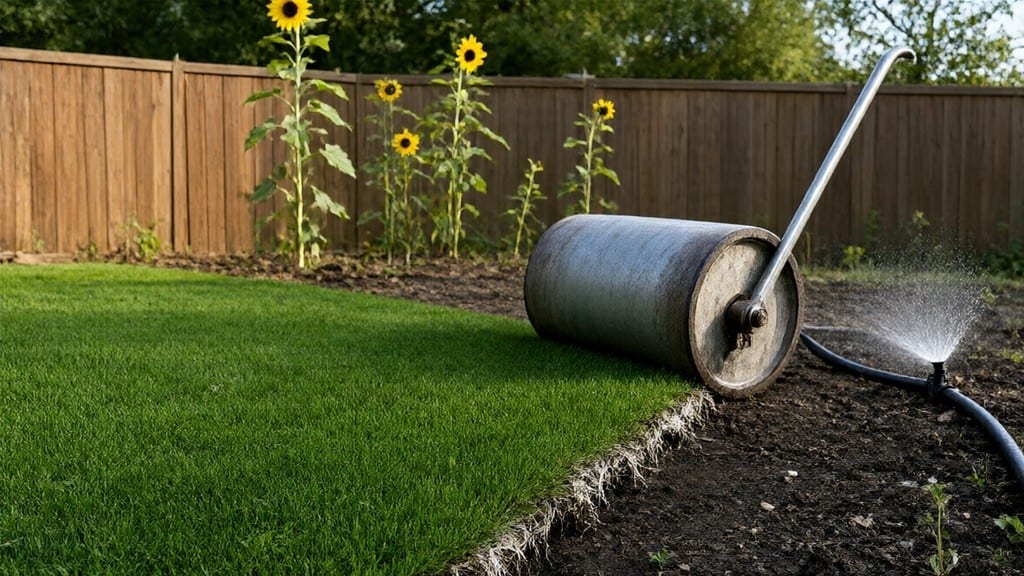
The best time to lay sod in Alabama is during early spring (March to early April) or early fall (September to early October), when soil temperatures are between 60°F and 75°F for optimal root establishment and growth. Avoid extreme heat or cold to prevent stress on the grass.
The timing of sod installation in Alabama isn't just about avoiding summer heat or winter freezes—it's about giving grass roots the perfect conditions to take hold. 🌱 Soil temperatures below 60°F slow down root growth, while anything above 75°F can cause dehydration stress.
Northern Alabama's cooler climate may shift the ideal window slightly later in spring or earlier in fall compared to southern regions, where humidity and heat arrive sooner. This is why local weather patterns matter more than just calendar months.
For example, if you plant in late May, you risk the sod drying out before roots establish, while late October planting might face early frost challenges. The key is monitoring soil temps with a simple probe—most garden centers sell them for under $10.
I've seen sod installations thrive when homeowners adjust their timing based on these readings rather than just following the general window.
💡 In This Article
- Alabama’s Ideal Soil Temperature for Sod Installation
- Step-by-Step Sod Laying Guide for Alabama’s Climate
Alabama’s ideal soil temperature for sod installation
Here's what's actually happening below ground when you install sod: grass roots need soil temperatures between 60°F and 75°F to activate enzymes that break down starches into sugars for energy. Below 60°F, microbial activity slows dramatically—roots grow at just 10-20% of their spring capacity.
Above 75°F, the roots can't absorb water fast enough, leading to dehydration even with frequent watering. This 15°F window is where most Alabama grass varieties (like Bermuda, Zoysia, and Tall Fescue) establish roots at 1-1.5 inches per week, compared to 0.25 inches per week in cooler conditions.
The science gets even more interesting when you consider Alabama's climate zones. In Northern Alabama (like Huntsville), soil temps hit 60°F around mid-April and stay ideal until mid-October. But in Southern Alabama (like Mobile), that 60°F threshold arrives by mid-March and soil can exceed 80°F by late April.
This explains why sod installed in March in Birmingham might thrive while the same timing in Mobile could stress the grass. I've seen cases where Mobile homeowners had to delay installation by 2-3 weeks to avoid summer-like conditions in early spring.
What most people don't realize is how quickly soil temps change in Alabama's unpredictable weather. A 3-day heatwave in March can push soil temps to 78°F—dangerously close to the upper limit—while a cold snap in April can drop temps below 55°F.
This is why checking soil temps with a $10 probe (inserted 4 inches deep) is smarter than guessing by air temperature. For example, 70°F air temps might correspond to 65°F soil temps in shaded areas, while direct sunlight can create 10°F differences just a few feet away.
Another critical factor is how different grass types respond to temperature fluctuations. Cool-season grasses (like Tall Fescue) prefer 65-70°F soil temps and can handle brief dips below 55°F, while warm-season grasses (like Bermuda) thrive at 70-75°F but struggle below 60°F.
This is why September installations often work better for warm-season grasses—the soil stays warm longer into fall. In contrast, March plantings favor cool-season varieties that can handle Alabama's 50-60°F spring mornings.
Consider these seasonal soil temperature trends for Alabama's major regions:
- North Alabama (Huntsville, Decatur): Soil hits 60°F by mid-April, stays ideal until mid-October, with 80°F+ possible by June
- Central Alabama (Birmingham, Montgomery): 60°F arrives by early April, ideal until late October, with 75°F+ common by May
- South Alabama (Mobile, Dothan): 60°F by mid-March, but 75°F+ by late April—requiring earlier or later installation
The bottom line? Alabama's 60-75°F soil temperature window creates a 6-8 week installation period that shifts slightly north to south. The most successful installations I've seen use a 3-step verification process: check soil temps, monitor 7-day forecasts for stable conditions, and adjust watering based on afternoon humidity levels.
This approach accounts for Alabama's microclimates where a 20-mile drive can mean 2-week differences in ideal planting windows. 🌡️