
Fertilization
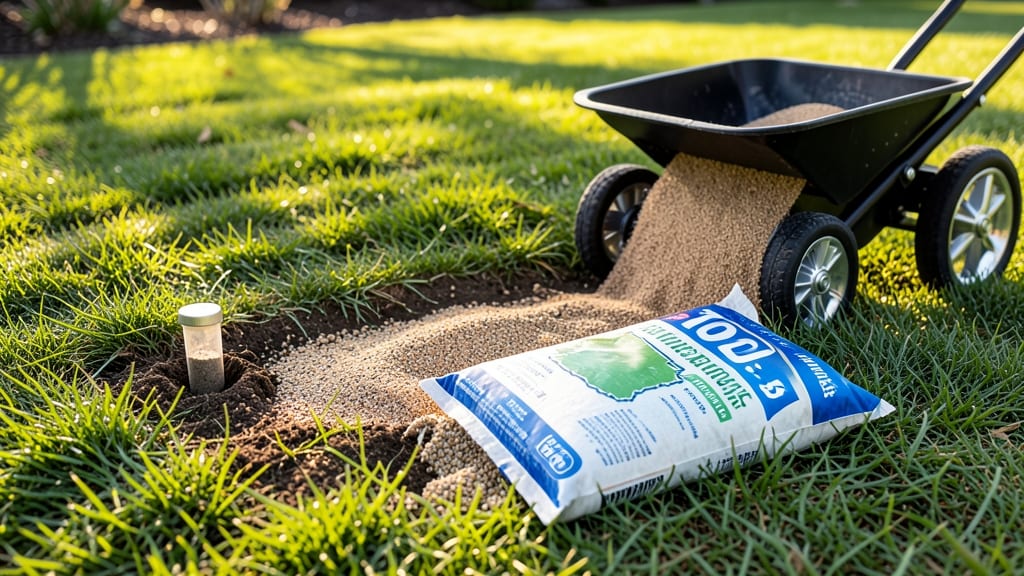
To fertilize lawns in Ohio, time applications carefully: start with pre-emergent herbicide in early spring (March–April) when soil reaches 55°F, then apply nitrogen-based fertilizer in late spring (May) and fall (September–October) for peak growth and root development. Adjust your schedule based on grass type and local climate variations.
Ohio's climate creates distinct windows for lawn care, where soil temperature becomes your best guide. 🌱 Cool-season grasses like Kentucky bluegrass thrive with early spring feeding, while warm-season varieties like Bermuda grass need summer applications.
I've learned that checking soil temps with a simple probe—available at garden centers—saves time and prevents wasted fertilizer. The key is matching your grass type to Ohio's seasonal shifts, from dormancy in winter to rapid growth in summer.
For best results, pair your timing with soil testing—many Ohio counties offer free or low-cost services through extension offices. This helps you target specific nutrient needs, whether your lawn craves more nitrogen, phosphorus, or potassium. Remember that pre-emergent should always go down before weeds sprout, while nitrogen feeds established grass.
Adjusting for Ohio's unpredictable spring rains makes all the difference between a lush lawn and one that struggles to green up.
💡 In This Article
- Ohio Lawn Fertilization Timing Based on Soil Temperature
- Step-by-Step Ohio Lawn Fertilizer Application Guide
Ohio lawn fertilization timing based on soil temperature
Soil temperature acts as nature's clock for lawn fertilization in Ohio, triggering when nutrients become available to grass roots. Pre-emergent herbicides should be applied when soil reaches 55°F—this temperature activates the chemical's ability to block weed seeds from germinating.
The science is simple: at 55°F, weed seeds begin metabolic activity, making them vulnerable to pre-emergent's active ingredients like prodiamine or pendimethalin.
Cool-season grasses like Kentucky bluegrass and tall fescue (Ohio's most common lawn types) wake from dormancy at this temperature, creating the perfect window for both weed control and early season feeding.
For nitrogen-based fertilizers, wait until soil warms to 60°F+—this threshold ensures established grass roots can absorb nutrients efficiently. The reason? Cooler soils slow microbial activity in the rhizosphere (the zone around roots), reducing nitrogen availability.
Warm-season grasses like Bermuda or Zoysia, which are less common in Ohio but used in southern regions, need nitrogen when soil hits 70°F+—their growth peaks in summer when cool-season grasses slow down.
A soil thermometer (available for $10-$15) lets you track these shifts daily, especially crucial during Ohio's unpredictable spring weather swings.
Here's what most homeowners miss: Ohio's climate creates a 30-day window between pre-emergent (March-April) and nitrogen applications (May). This gap prevents fertilizer burn—when excess salts damage new grass shoots. Cool-season grasses enter their fastest growth phase at 65-75°F, which is why late May applications deliver maximum impact.
In northern Ohio (Zones 5-6), this timing shifts 2-3 weeks later than southern Ohio (Zones 6-7), where warmer microclimates accelerate soil warming.
Consider this regional comparison: In Columbus (Zone 6a), pre-emergent goes down when soil hits 55°F around mid-March, while Cincinnati's (Zone 6b) warmer microclimate may see 55°F as early as late February.
The 10°F difference between northern and southern Ohio can mean a 3-week difference in fertilization timing. Always check local weather patterns—Ohio's spring rains can delay soil warming by 1-2 weeks, making temperature monitoring essential.
What happens if you fertilize too early? Grass roots can't absorb nutrients below 50°F, leading to wasted fertilizer and potential runoff into local waterways. The Ohio EPA tracks this—excess nitrogen from improper timing contributes to harmful algae blooms in Lake Erie.
For cool-season grasses, the ideal nitrogen window is May-June and September-October, aligning with their natural growth cycles. Warm-season grasses need summer applications (June-August) when soil stays above 70°F.
Pro tip: Use a soil thermometer at 4-inch depth (where most grass roots grow) for accurate readings. Morning is best—soil cools overnight, giving you a baseline. If your lawn has patches of different grass types, prioritize fertilizing the dominant species first.
For example, if your lawn is 80% Kentucky bluegrass and 20% Bermuda, focus on the cool-season timing first, then adjust for the warm-season grass later in summer. 🌱