
Flowers
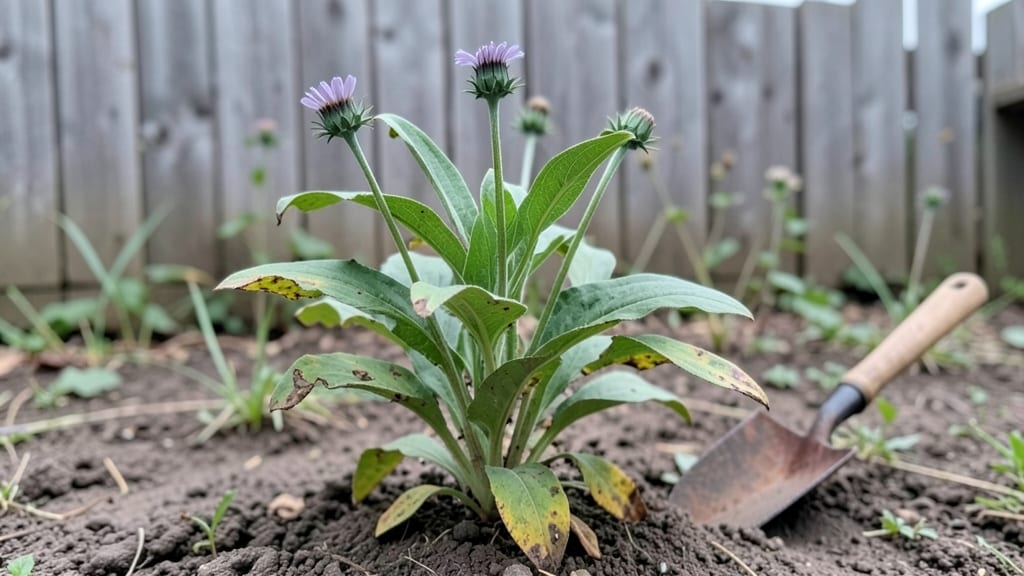
The not growing zinnias you’re struggling with might just need a quick reset—here’s the 5-minute trick that revives them every time. 🌱 The fix isn’t complicated, but it requires checking three things most gardeners overlook.
Overwatering or compacted soil cuts off oxygen roots need to grow. I once drowned a flat of zinnias by keeping them "consistently moist"—until I realized zinnias hate soggy feet. A quick soil test with your finger (damp but not wet) and a fork to loosen roots works wonders.
Too much shade? Move them to 6+ hours of direct sun or they’ll stretch into leggy shadows.
You’ll see fresh green leaves within 3-5 days of adjusting care. The key is consistency: zinnias bounce back faster than you’d expect once they get what they need. By next week, those same wilting seedlings will be bold, bushy plants ready to bloom.
This works for both garden beds and containers—just adjust watering based on pot size. The same rules apply whether you’re in Zone 5 or 10. Let’s turn those sad seedlings into showstoppers.
Why it happens
Zinnias are bold, cheerful flowers that should burst into color with minimal fuss—but when they refuse to grow, it’s usually a sign that something fundamental is off. 🌱😬 Understanding the root causes helps you diagnose the problem fast and get your blooms back on track.
Let’s break down the most likely reasons your zinnias are underperforming, from soil science to environmental stress.
🌡️ Temperature and Lighting Issues
Zinnias thrive in full sun (6–8+ hours daily) and hate being chilled or shaded. If your seedlings are leggy, pale, or just sitting there, they’re probably not getting enough light—or they’re too cold. Here’s why:
- Insufficient sunlight: Zinnias are heliophytes, meaning they rely on intense light for photosynthesis. Shady spots (like under trees or in north-facing gardens) starve them of energy, leading to weak stems and stunted growth. Fix: Move pots or seedlings to a sunnier location ASAP.
- Cold soil or air: Zinnias cannot tolerate frost and grow best in temperatures between 70–80°F (21–27°C). If planted too early (before last frost) or in cool climates, they’ll slow down or rot. Fix: Wait until soil temps are consistently above 55°F (13°C) or start seeds indoors 4–6 weeks before the last frost.
- Overheating: While zinnias love heat, extreme afternoon sun (above 90°F/32°C) can scorch seedlings. Young plants may wilt or stop growing until temps drop. Fix: Use shade cloth (30–50%) for seedlings until they’re established.
💧 Water Woes: Too Much or Too Little
Zinnias are drought-tolerant once established, but seedlings need consistent moisture—not soggy soil, not dry crust. Here’s how water stress sabotages growth:
- Underwatering: Zinnias wilt dramatically when thirsty, but chronic dryness causes roots to shrink and growth to halt. Seedlings may even die if the soil dries out completely. Fix: Water deeply 1–2 times per week (check soil 1 inch down—it should feel damp, not bone-dry).
- Overwatering: Zinnias hate wet feet. Compacted, waterlogged soil cuts off oxygen, leading to root rot (a fungal disease that turns roots mushy and black). Fix: Ensure pots have drainage holes and soil is loose. Let the top inch dry between waterings.
- Inconsistent watering: Fluctuating moisture stresses seedlings, causing them to pause growth while they adjust. Fix: Stick to a schedule and mulch (1–2 inches of straw or shredded leaves) to retain moisture.
🌿 Soil Problems: The Foundation of Failure
Zinnias aren’t picky about soil, but they will protest if conditions are off. Poor soil is a silent killer of growth. Here’s what to watch for:
- Compacted or clay-heavy soil: Zinnias need well-draining, aerated soil. Compacted soil suffocates roots, limiting nutrient and water uptake. Fix: Amend clay soil with compost or perlite (aim for 20–30% organic matter).
- Nutrient deficiencies: Zinnias are light feeders, but they need balanced nutrients. Yellowing leaves or stunted stems often signal a lack of phosphorus (P) or nitrogen (N). Fix: Use a 5-10-5 or 10-10-10 fertilizer at planting, then side-dress with compost mid-season.
- pH imbalances: Zinnias prefer slightly acidic to neutral soil (pH 6.0–7.0). Soil too alkaline (pH >7.5) locks out key nutrients like iron and manganese, causing yellowing between veins. Fix: Test soil with a home pH kit and amend with sulfur (to lower pH) or lime (to raise it).
🐛 Pest and Disease Pressure
Hidden invaders can drain your zinnias’ energy before they even sprout. Keep an eye out for these sneaky saboteurs:
- Seedling pests: Aphids, spider mites, and cutworms chew on young leaves and stems, stunting growth. Aphids excrete honeydew, which attracts sooty mold (a black fungal film that blocks sunlight). Fix: Spray seedlings with neem oil or introduce ladybugs for natural control.
- Fungal diseases: Powdery mildew (white powder on leaves) and damping-off (seeds/seedlings rotting at the base) thrive in humid, shady conditions. Fix: Space plants for airflow, water at the base (not overhead), and treat with baking soda spray (1 tsp/L water + a drop of soap).
- Bacterial wilt: Spread by corn flea beetles, this disease clogs xylem vessels, causing sudden wilting and death. Fix: Remove infected plants immediately and rotate crops next season.
🌱 Seed or Transplant Trauma
Even the best zinnias can fail if they’re mishandled during planting. Common mistakes include:
- Planting too deep: Zinnias have large seeds that need light to germinate. Burying them more than ¼ inch deep can suffocate them. Fix: Press seeds lightly into soil (no covering needed) or use a soil sifter for even contact.
- Transplant shock: Moving seedlings too soon or disturbing roots can halt growth for weeks. Fix: Harden off seedlings (acclimate to outdoor conditions) for 7–10 days before transplanting, and water thoroughly after moving.
- Old or low-quality seeds: Seeds lose viability after 1–2 years. If germination is slow or patchy, your seeds may be past their prime. Fix: Test seeds by soaking a few in water—if they sink, they’re likely still good.
How to solve it
When your zinnias refuse to grow, don’t panic—there’s almost always a fix! Below are targeted solutions for the most common culprits, paired with simple steps to bring your plants back to life. Prevention tips are included so you can keep your zinnias thriving long-term.
🌱 Fix Poor Soil Conditions
Zinnias need well-draining, nutrient-rich soil to flourish. If your soil is compacted, waterlogged, or lacking nutrients, growth will stall.
How to Fix It:
🔥 Test Your Soil – Grab a handful and squeeze it. If it stays clumped (like a brick), it’s too dense. If it crumbles easily, it may lack organic matter. 🍳 Amend the Soil – Mix in 2–3 inches of compost or aged manure to improve texture and fertility.
For sandy soil, add peat moss or coconut coir to retain moisture. 👨🍳 Add a Slow-Release Fertilizer – Use a balanced 10-10-10 or 5-10-10 fertilizer (or one high in phosphorus for blooms) at planting time.
Avoid over-fertilizing—zinnias prefer lean soil! 🥘 Ensure Good Drainage – If your garden holds water, plant zinnias in raised beds or containers with drainage holes.
💡 Pro Tip: Zinnias hate soggy roots! If your garden floods, plant on a slight mound to improve drainage.
☀️ Adjust Light & Temperature Needs
Zinnias are sun-worshippers—they need 6–8 hours of direct sunlight daily. Too little light = leggy, weak stems. Too much heat without water = stress.
How to Fix It:
🔥 Move to Full Sun – If your zinnias are in partial shade, relocate them to a sunnier spot immediately.
Even a few extra hours of sunlight can make a difference. 🌡️ Provide Afternoon Shade in Hot Climates – In Zone 9+, use a light shade cloth (30–50%) to protect them from scorching afternoon sun (1–5 PM). ⏰ Water Deeply in Heatwaves – 1–1.5 inches of water per week (more in extreme heat).
Water early morning to reduce evaporation.
🔥 Pro Tip: If transplanting, harden off seedlings first (acclimate them to outdoor conditions over 5–7 days) to avoid shock.
💧 Solve Watering Woes
Overwatering or underwatering can stress zinnias into a growth slump. They need consistent moisture but hate wet feet.
How to Fix It:
🔥 Check Soil Moisture – Stick your finger 1 inch deep.
If dry, water; if damp, wait. Wilting leaves? Water deeply at the base (not overhead). 🍳 Use Mulch – Apply 2–3 inches of straw or wood chips to retain moisture and regulate soil temperature. 👨🍳 Water at the Base – Avoid wetting foliage to prevent fungal diseases like powdery mildew. 🥘 Adjust for Rainy Seasons – If your area gets heavy rain, ensure pots/containers have drainage holes to prevent root rot.
💡 Pro Tip: Drip irrigation or soaker hoses deliver water efficiently without disturbing soil.
🐛 Eliminate Pests & Diseases
Aphids, spider mites, and fungal infections can sap energy from zinnias, stunting growth.
How to Fix It:
🔥 Spot & Remove Pests – Check undersides of leaves for aphids or mites.
Blast them off with a strong spray of water or use neem oil (mix 1 tbsp neem oil + 1 tsp mild soap + 1 quart water). 🍳 Prune Infected Leaves – If you see yellow spots (powdery mildew) or black spots (botrytis), trim affected areas and disinfect pruners with rubbing alcohol. 👨🍳 Improve Airflow – Space plants 12–18 inches apart to reduce humidity and fungal risks. 🥘 Prevent Future Infestations – Rotate crops (don’t plant zinnias in the same spot yearly) and clean up debris at season’s end.
🔥 Pro Tip: Ladybugs and lacewings are natural pest predators—encourage them with dill or fennel plants nearby!
✂️ Prune for Better Growth
Deadheading (removing spent blooms) and light pruning encourage bushier, healthier growth.
How to Fix It:
🔥 Deadhead Regularly – Snip off wilted flowers with clean scissors just above a set of leaves.
This redirects energy to new blooms. 🍳 Trim Leggy Stems – If stems are too tall and weak, cut them back by ⅓ to promote branching. 👨🍳 Pinch Young Seedlings – For compact, bushy zinnias, pinch off the top set of leaves when plants are 6–8 inches tall.
💡 Pro Tip: Prune in the morning when plants are hydrated—it reduces stress.
🌿 Last Resort: Repot or Replant
If your zinnias are severely stunted due to poor soil, disease, or root issues, repotting may be the fastest fix.
How to Fix It:
🔥 Check the Roots – Gently remove the plant and inspect roots. Healthy roots are white/firm; rotted roots are mushy and black. 🍳 Repot in Fresh Soil – If roots are healthy but soil is depleted, transplant to a new spot with amended soil. 👨🍳 Start Over if Needed – If roots are diseased, snip off damaged parts, treat with fungicide (if needed), and repot in sterile potting mix.
🔥 Pro Tip: Disinfect pots with a 10% bleach solution before repotting to kill lingering pathogens.
🎯 Prevention Checklist for Next Season
✅ Test soil before planting (aim for pH 6.0–7.0). ✅ Plant in full sun with well-draining soil. ✅ Water deeply 2–3 times per week (adjust for rain/heat). ✅ Deadhead weekly to encourage blooms. ✅ Monitor for pests and act fast if you spot them. ✅ Rotate planting locations yearly to prevent soil depletion.
With these fixes, your zinnias should bounce back in 2–4 weeks—and next season, they’ll grow taller, bushier, and more vibrant than ever! 🌼✨
Frequently asked questions about zinnias not growing
Why are my zinnia seedlings just sitting there and not growing?
Your seedlings might be struggling from too little light or overcrowding. Zinnias need 6+ hours of direct sun daily—move them to a sunnier spot immediately. Also, thin seedlings to 12–18 inches apart to reduce competition for nutrients. If they’re still dormant, check soil moisture (it should be damp, not soggy).
Can zinnias grow in partial shade, or do they always need full sun?
While zinnias prefer full sun, they can survive in partial shade (4–6 hours of sun), but expect smaller blooms and leggy stems. For best results, place them in the sunniest spot possible. In shady areas, use reflective mulch (like white gravel) to boost light exposure.
What should I do if my zinnias are wilting but the soil feels damp?
This is a classic sign of overwatering or root rot. Let the soil dry out completely for 24 hours, then water deeply only when the top 1 inch is bone-dry. If roots are mushy and black, trim the damaged parts, repot in fresh, well-draining soil, and avoid watering until new growth appears.
How do I know if my zinnias need fertilizer, or am I overdoing it?
Zinnias are light feeders—too much fertilizer burns roots. Use a balanced 5-10-5 or 10-10-10 fertilizer at planting, then side-dress with compost mid-season. Yellow leaves? Add a low-nitrogen fertilizer. Brown edges? You’re over-fertilizing—flush the soil with water to dilute excess salts.
Are my zinnias dying from pests, or is it something else?
Check for aphids (tiny green bugs on stems) or spider mites (fine webbing). If leaves have white powder (powdery mildew) or black spots (fungus), prune infected parts and improve airflow. For pests, spray with neem oil or introduce ladybugs. If stems suddenly wilt, it could be bacterial wilt—remove the plant immediately to prevent spread.