
Lawn
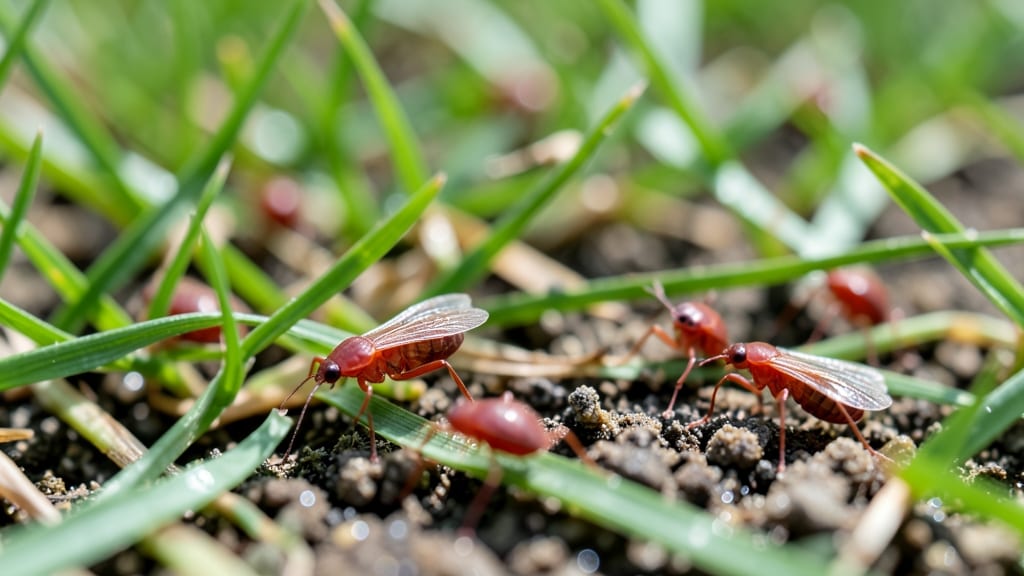
Those tiny red bugs devouring your lawn aren’t just annoying—they’re stealing your grass’s life. 🌱 I spent three weekends battling chinch bugs that turned my once-vibrant yard into patchy brown deserts, and I’ve since perfected a fast-acting organic approach that works in days, not weeks.
The key? Identifying the culprit first, then hitting them with targeted, eco-friendly solutions before they spread.
Most red lawn invaders—chinch bugs, clover mites, or even soldier beetles—leave behind yellowing grass that rolls up like carpet when pulled. Chinch bugs, the worst offenders, thrive in drought and heat, sucking sap until blades crisp.
Clover mites, meanwhile, cluster on sidewalks and driveways, then march onto lawns when conditions are right. The damage isn’t just cosmetic; it’s a slow-motion kill.
You’ll see results in as little as 48 hours with the right mix of manual removal, organic sprays, and habitat adjustments. My go-to? A soapy water spray for immediate knockdown, followed by neem oil to disrupt their life cycle.
For chinch bugs, encouraging beneficial nematodes in the soil is the secret weapon—no harsh chemicals needed. The best part? These methods protect pollinators and keep your yard safe for kids and pets.
Prevention is where the real game-changer lies. Deep watering twice a week, mowing high, and overseeding bare spots create an environment where bugs can’t take hold. I also scatter diatomaceous earth lightly after rain—it’s like microscopic glass to these pests.
Once you’ve got the bugs under control, maintaining healthy grass is the only way to keep them from coming back.
Root Causes Behind Lawn Invaders
Those pesky tiny red bugs creeping across your lawn aren’t just a random nuisance—they’re drawn there for a reason. Understanding why they show up is the first step to kicking them out for good.
Below, we break down the science behind their behavior and the conditions that make your yard their perfect hideout.
Many tiny red bugs, like fire ants or harvestmen (daddy longlegs), thrive in damp environments. Here’s why:
- Excess moisture softens soil, making it easier for them to dig tunnels and lay eggs. If your lawn stays soggy after rain or irrigation, you’re basically handing them a welcome mat.
- Poor drainage creates stagnant water pockets, which attract their prey (like insects or worms) and provide the humidity they crave.
- Organic debris buildup (leaves, grass clippings) traps moisture, creating microclimates perfect for their survival.
Actionable fix: Test your soil’s drainage—if water pools after 24 hours, aerate or amend with sand/compost to improve airflow.
Tiny red bugs are opportunistic feeders. If your lawn is a buffet, they’ll stay. Common culprits:
| Bug Type | What They Eat | How to Reduce |
|---|---|---|
| Fire Ants | Other insects, seeds, and even small vertebrates (like baby lizards!) | Eliminate ant trails with diatomaceous earth or disrupt mounds with vinegar. |
| Harvestmen | Decaying plant matter, fungi, and small arthropods | Rake up leaf litter and mulch; reduce compost piles near the lawn. |
| Chiggers | Plant juices and tiny insects (they’re not bloodsuckers—phew!) | Mow high to limit weed growth; avoid over-fertilizing. |
Pro tip: 🌡️ If you spot swarms of red bugs, check for aphids or mites—they’re likely dining on those pests first!
Sometimes, you’re the reason they moved in. Here’s how:
- Fertilizer overuse: Nitrogen-heavy lawns attract insects, which in turn attract red bugs. Think of it as a food chain domino effect.
- Mulch rings: Wood chips or shredded bark near foundations create dark, moist habitats—ideal for hiding and breeding.
- Pet waste: Yes, really. Urine and feces alter soil chemistry, making it more hospitable to certain bugs.
- Firewood or plant debris: Stacked woodpiles or unkempt garden beds can harbor eggs or adult bugs waiting to invade.
Actionable fix: 🔥 Switch to organic, slow-release fertilizers and keep mulch away from the lawn’s edge (3+ inches from grass).
Temperature and humidity play a huge role in their life cycles:
- Warm, humid springs: Perfect for egg-laying. Fire ants, for example, swarm in early summer when soil temps hit 70°F+.
- Drought stress: Paradoxically, some red bugs (like certain harvestmen) seek out stressed grass because it’s easier to break down.
- Late summer heat: As other insects die off, red bugs move in to feast on the leftovers.
Pro tip: ✨ Monitor your local NOAA forecasts—spikes in humidity often precede outbreaks.
Healthy lawns have a balance of predators (like birds, spiders, or ground beetles) that keep red bugs in check. When this balance tips, the bugs take over:
- Pesticide use: Broad-spectrum chemicals kill beneficial insects first, leaving red bugs unchecked.
- Monoculture grass: A single type of grass (like Bermuda) offers no diversity for predator habitats.
- Lack of ground cover: Bare spots or compacted soil reduce hiding spots for natural enemies.
Actionable fix: 🌱 Plant native wildflowers or clover in small patches—they attract pollinators and predators that hunt red bugs!
Eliminate Tiny Red Invaders Naturally
Tiny red bugs—whether they’re chinch bugs, fire ants, or clover mites—can turn your lush lawn into a battleground. The good news? You don’t need harsh chemicals to win.
Below are targeted, organic solutions tailored to the root cause of your infestation, plus long-term prevention to keep your yard thriving.
---
Problem: These sap-sucking pests thrive in damp, stressed turf, often leaving behind yellow patches. Solution: 1. 🍳 Reduce Watering Immediately - Water deeply 2–3 times per week (early morning) instead of daily shallow sprinkles. Chinch bugs love moisture—starve them out! - Test for them: Flip a sod piece over. If you see tiny red bugs with white wings (nymphs), you’ve got chinch bugs.
2. 👨🍳 Apply Organic Insecticides - Neem oil spray (1 tbsp per gallon of water): Disrupts their life cycle. Reapply every 7–10 days. - Diatomaceous earth (DE): Sprinkle food-grade DE around affected areas.
It dehydrates bugs but is safe for pets once settled. - Beneficial nematodes: Microscopic predators that attack chinch bug larvae. Mix with water and apply in the evening.
3. ⏰ Reseed & Aerate - Chinch bugs target weak grass. Overseed with drought-resistant grass (like tall fescue) and aerate to improve drainage.
💡 Pro Tip: Mow high (3–4 inches) to shade soil and deter future infestations.
---
Problem: Fire ants build aggressive mounds and sting anything that disturbs them. Solution: 1. 🥘 Manual Removal (Best for Small Infestations) - Pour boiling water directly into the mound (repeat 2–3 times over 2 weeks). Avoid chemical runoff. - Dust with cornmeal: Fire ants can’t digest it—sprinkle liberally around mounds (reapply after rain).
2. 🌡️ Organic Baits (For Large Colonies) - Borax + sugar bait: Mix 1 part borax to 3 parts sugar with water. Place in shallow containers near mounds. Ants carry it back to the colony. - Orange oil spray: Disrupts their exoskeleton. Spray mounds and surrounding soil (reapply weekly).
3. 🎯 Prevent Recurrence - Reduce thatch: Fire ants love thick mulch. Dethatch annually. - Encourage natural predators: Birds, toads, and certain beetles eat fire ant larvae. Add a small birdbath to attract them.
✨ Warning: Avoid vinegar sprays—fire ants may scatter and form new colonies nearby.
---
Problem: These tiny red mites hitchhike from plants and swarm indoors in winter. Solution: 1. 🔥 Reduce Host Plants - Clover mites feed on broadleaf plants like clover, ivy, and mulberry. Remove infested plants or treat them with neem oil.
2. 👨🍳 Create a Barrier - Diatomaceous earth: Apply a thin band around your home’s foundation and windowsills. - Yellow sticky traps: Place near entry points to catch migrating mites.
3. 🌡️ Indoor Control - Vacuum daily during outbreaks (focus on baseboards and curtains). - Seal cracks in windows/doors with caulk to block entry.
💡 Pro Tip: If mites persist, wash bedding and curtains in hot water (130°F+) to kill eggs.
---
Keep your lawn bug-free with these low-effort habits: - 🌱 Diversify your landscape: Plant native grasses and flowers to disrupt pest cycles. - 💧 Water wisely: Early morning watering reduces humidity that attracts bugs. - 🔍 Inspect regularly: Check for early signs (wilting grass, mounds, or red specks) every 2 weeks. - 🐝 Support pollinators: Healthy bees and ladybugs naturally control pests.
--- Remember: Patience is key—organic methods take 2–4 weeks to show full results. But with consistency, your lawn will bounce back chemical-free and stronger than ever!
Frequently asked questions
What are the most common tiny red bugs in lawns?
The most likely culprits are chinch bugs, fire ants, clover mites, or harvestmen (daddy longlegs). Chinch bugs are the worst for grass, while fire ants create mounds and clover mites often move indoors. Check for yellow patches, mounds, or red specks on plants to identify them.
How do I tell if my lawn has chinch bugs?
Look for tiny red bugs with white wings (nymphs) under grass blades or flip a sod piece—they’ll scatter. You’ll also see yellow patches that roll up like carpet when pulled. Test by watering a small area: if bugs move toward it, you’ve got an infestation.
Are tiny red bugs harmful to pets or kids?
Most aren’t dangerous, but fire ants sting painfully and clover mites can bite. Chinch bugs and harvestmen are harmless. Avoid letting pets dig in infested areas, and supervise kids playing where bugs are active. Washing hands after outdoor play reduces any minor irritation risk.
Will neem oil really kill tiny red bugs?
Neem oil doesn’t kill instantly but disrupts their life cycle effectively. Mix 1 tablespoon per gallon of water and spray affected areas every 7-10 days. It works best on chinch bugs and clover mites. For fire ants, combine with cornmeal or borax baits for faster results.
How long does it take to eliminate an infestation?
With consistent organic methods, you’ll see improvement in 2-4 weeks. Immediate knockdown (like soapy water sprays) works in 48 hours, but full eradication requires 3-4 applications of neem oil or nematodes. Fire ant mounds may take 2-3 weeks of treatment to disappear completely.