
Plants
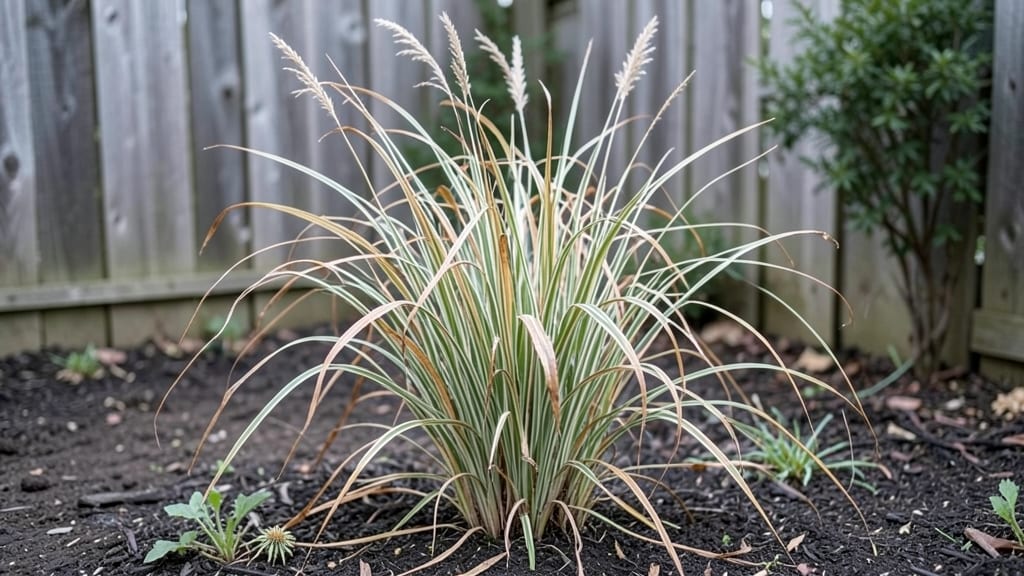
Zebra grass winter survival depends on one simple trick: letting it rest without smothering it.
Wondering if your zebra grass will survive winter’s chill or turn into a crispy brown mess? With the right care, this striking ornamental grass thrives year-round—even in freezing temperatures—adding texture and movement to your garden long after summer blooms fade.
In USDA Zone 6a, where frost hits early, the key is mulching before the ground freezes and cutting back only after new growth appears in spring. Too much pruning too soon can leave it vulnerable, while proper winter prep ensures it bounces back with bold stripes and structure.
Below, I’ll walk you through the exact steps to protect your zebra grass 🌿 through winter, from mulching to watering adjustments, so you can wake up to a garden that looks just as stunning in January as it does in July.
How cold is too cold? Zebra grass winter hardiness zones explained
Zebra grass (Miscanthus sinensis 'Zebrinus') is one of the most cold-hardy ornamental grasses, thriving in USDA zones 5 through 9. Unlike tropical plants, it won’t wilt at the first frost—it’s built to handle sub-zero temperatures and even light snow.
But how cold is too cold? And what signs should you watch for to keep your grass lush year-round?
In zone 5, where winters dip below -20°F (-29°C), zebra grass may need extra protection like mulch or burlap wraps. In zones 6-9, it typically survives winters with minimal care.
The key is understanding its dormancy cycle—when to stop watering, when to prune, and how to shield it from freeze-thaw cycles that can damage roots.
Here’s the breakdown of zebra grass’s winter resilience by zone, plus early warning signs of stress so you can act before damage sets in.
🌱
| USDA Zone | Winter Temp Range | Cold Hardiness | Winter Care Needs | Signs of Stress |
|---|---|---|---|---|
| Zone 5 | -20°F to 10°F (-29°C to -12°C) | Hardy with protection | Mulch 3-4" deep, wrap clumps in burlap | Brown patches, brittle stems |
| Zone 6 | 0°F to 15°F (-18°C to -9°C) | Survives with minimal care | Mulch 2-3", avoid wet mulch | Yellowing leaves, slow regrowth |
| Zone 7 | 10°F to 25°F (-12°C to -4°C) | Thrives naturally | Light mulch, reduce watering | Dry, crispy foliage |
| Zone 8-9 | 20°F to 35°F (-7°C to 2°C) | No special care needed | Minimal mulch, prune in late winter | None (stays green longer) |
In zone 5, where winters are harshest, zebra grass can still survive if you protect the crown with a thick layer of straw mulch or shredded leaves. The goal is to insulate the rhizomes (underground stems) from freeze-thaw cycles, which cause more damage than steady cold.
Wrap the clump in burlap or frost cloth if your area gets prolonged sub-zero temps.
By zone 6 and warmer, zebra grass enters a dormant state naturally, reducing water needs to just monthly deep soaks. Overwatering here is the real enemy—soggy soil in winter can rot roots before spring.
If your grass looks yellow or mushy, it’s a sign of overwatering or poor drainage, not cold damage.
One common misconception is that zebra grass "dies" in winter. In reality, it sheds its leaves to conserve energy, much like deciduous trees. The rhizomes remain alive underground, ready to burst with new growth as soon as soil temps rise above 50°F (10°C) in spring.
That’s why late-winter pruning (after the last frost) is crucial—it removes dead foliage and lets sunlight warm the crown faster.
If you notice brown or brittle stems by late winter, it’s not necessarily a death sentence. Zebra grass often regrows from the base, so cut back damaged stalks to 2-3 inches tall in March.
Avoid pruning earlier—new shoots emerge from the crown, and cutting too soon removes next year’s growth.
For gardeners in zone 8-9, winter care is almost nonexistent. Zebra grass may stay green longer in milder climates, but it still benefits from a light mulch layer to retain moisture and suppress weeds.
The only red flag here is fungal growth from wet foliage, so prune any moldy or slimy clumps immediately.
🌿
Step-by-step winter care routine to protect and revive zebra grass
Winter can be tough on zebra grass (Miscanthus sinensis 'Zebrinus'), but with the right routine, you’ll ensure it stays healthy and bounces back beautifully in spring. The key is to protect its roots, adjust watering, and avoid late-season pruning.
Even in USDA zones 5-9, a little extra care prevents winter burn or flopping foliage. Let’s break down my proven winter care steps to keep your zebra grass thriving.
Start by preparing your zebra grass in late fall (October-November) before the first frost hits. This is when you’ll focus on mulching, watering adjustments, and light pruning. Skipping these steps can leave your grass vulnerable to freezing temperatures or dry winds.
I’ve learned the hard way—neglecting winter prep often means struggling with brown, brittle foliage come spring. Let’s fix that!
Winter Care Routine for Zebra Grass
- 1 Late Fall Pruning (October)
- 2 Use clean, sharp shears to trim back dead or damaged foliage by 1/3 of its height. Avoid cutting into green stems—this encourages new growth too late in the season.
- 3 Apply 3-4 inches of mulch around the base of the plant using straw or shredded leaves. This insulates roots from freezing temperatures and retains moisture.
- 4 Reduce watering to monthly once temperatures drop below 40°F. Overwatering in winter can drown roots or cause fungal diseases. Only water if the ground feels bone-dry 2 inches below the surface.
- 5 Skip fertilizing entirely during winter. Zebra grass is dormant, and fertilizer can burn roots or encourage weak growth. Hold off until early spring (March-April) for a light feed.
- 6 Protect from salt and de-icing. If your zebra grass is near driveways or walkways, cover it with burlap or frost cloth during snow removal. Salt can scorch foliage and damage roots.
- 7 Early Spring Revival (March). Once temperatures rise above 50°F, remove old mulch and add compost around the base. Trim back any dead growth and apply a balanced fertilizer (10-10-10) to kickstart new growth.
One of the biggest mistakes I’ve seen is pruning zebra grass too late in fall or overwatering during winter. Both can stress the plant and slow down spring regrowth. Instead, follow this routine to ensure your zebra grass stays healthy and vibrant year-round.
With these steps, you’ll wake up to lush, green foliage in spring, ready to sway in the breeze.
If your zebra grass turns brown over winter, don’t panic—it’s often just dormant or frost-damaged. New growth will emerge once temperatures warm up. Just be patient and avoid cutting back until you see at least 50% green regrowth in early spring.
This ensures you don’t accidentally trim off the new shoots that are just starting to push through.
For extra protection in USDA zone 5 or colder, consider adding a thick layer of straw mulch (6+ inches) or wrapping the base with burlap for added insulation. This extra step can make all the difference in harsh winters.
With these tips, your zebra grass will not only survive winter but also thrive for seasons to come! 🌿