
Lawn
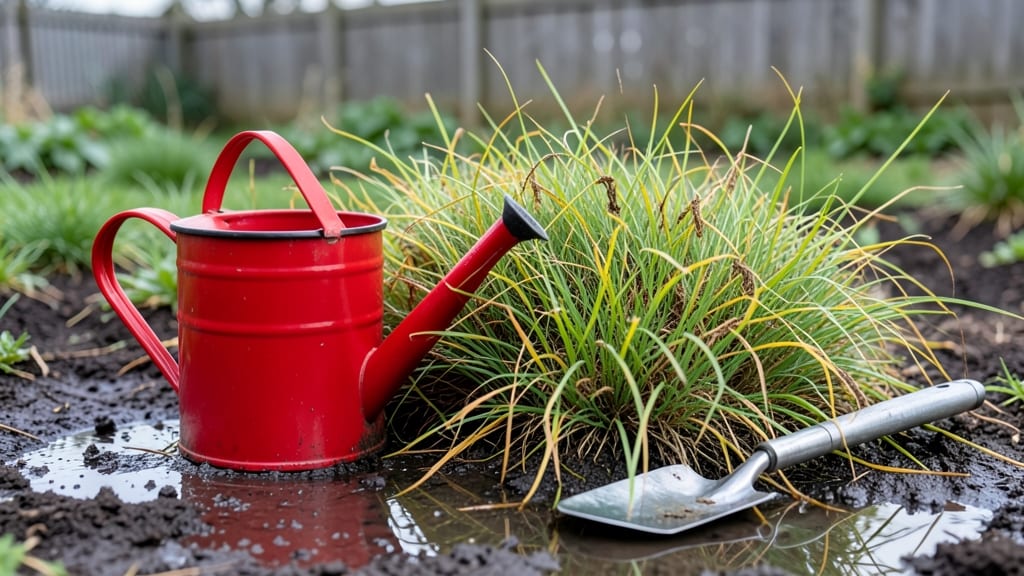
Seeing that yellow overwatered sod might make you panic, but with the right steps, you can revive even the soggiest lawn before it’s too late. 🌱 I’ve nursed back lawns that looked like they’d been bleached, and the key is acting fast before the roots suffocate.
The problem starts when waterlogged soil cuts off oxygen, turning vibrant grass into a sad, spongy mess.
The fix begins with stopping watering immediately—even if the ground feels damp. Most homeowners overcorrect by drowning the lawn again, but sod needs air, not a swamp. Next, aerate the soil with a garden fork or rented machine to let water drain properly.
If your yard has compacted soil, this step alone can make a difference within 48 hours.
Within a week, you’ll see green creeping back as roots recover. For stubborn spots, top-dress with a thin layer of compost to improve drainage and feed the grass. The worst part? This process takes less than an hour of active work, and you’ll avoid the $200 bill for new sod.
Works for any grass type, from Kentucky bluegrass to Bermuda. The secret is patience—roots take 2-3 weeks to fully bounce back, but the payoff is a lawn that stays lush and healthy. Let’s get your grass back in fighting shape.
Root Causes of Sod Discoloration
When your once-lush green lawn starts turning a dull, yellowish hue despite frequent watering, it’s often a sign of overwatering stress. While it may seem counterintuitive, too much water can suffocate grass roots, disrupt nutrient uptake, and invite pests or diseases.
Let’s break down the science behind why this happens—and how to identify the real culprits.
###
🌱 Poor Oxygen Exchange in Soil
Grass roots need oxygen to respire and absorb nutrients. When sod is overwatered, excess moisture fills the soil pores, pushing out oxygen and creating an anaerobic environment. This leads to:
- Root suffocation: Without oxygen, roots weaken, turn brown, and eventually die back.
- Toxic buildup: Anaerobic conditions cause harmful gases (like methanol or hydrogen sulfide) to accumulate, further damaging roots.
- Fungal growth: Moisture-loving pathogens (e.g., Pythium or Fusarium) thrive, causing yellowing and thinning patches.
Actionable clue: If your sod feels soggy to the touch even 24+ hours after watering, oxygen deprivation is likely the issue.
###
💧 Nutrient Leaching from Overwatering
Water is essential, but excessive irrigation flushes away critical nutrients before grass can absorb them. Key deficiencies from overwatering include:
| Nutrient | Symptom | Why It Happens |
|---|---|---|
| Nitrogen (N) | Pale yellow-green or straw-like blades | Water-soluble nitrogen washes out faster than roots can uptake it. |
| Potassium (K) | Weak stems, yellowing at leaf tips | Potassium leaches quickly in saturated soil, reducing drought resistance. |
| Iron (Fe) | Uniform yellowing (chlorosis) in cool-season grasses | Overwatering raises soil pH, making iron less available. |
Actionable clue: If yellowing is uniform (not patchy) and occurs after heavy rains or overwatering cycles, nutrient loss is the primary suspect.
###
🐜 Pest and Disease Invasion
Overwatered sod becomes a magnet for pests and pathogens because excess moisture creates the perfect breeding ground. Common offenders include:
- Grubs: White, C-shaped larvae (from Japanese beetles or chafer beetles) chew roots in soggy soil, causing yellow patches that pull up easily.
- Sod webworms: Their larvae create irregular brown/yellow patches, often near overwatered edges.
- Fungal diseases:
- Dollar spot: Small, straw-colored circles with yellow halos.
- Brown patch: Large, water-soaked yellow/brown patches (common in warm, humid conditions).
Actionable clue: Check for thinning sod that lifts easily or slime/mold on the soil surface—signs of grubs or fungal activity.
Understanding the specific cause of your sod’s yellowing is the first step to fixing it. In the next section, we’ll diagnose which scenario matches your lawn’s symptoms—and how to correct it without guesswork.
How to solve it
If your lawn looks like a sun-bleached desert despite your best efforts, it’s likely suffering from overwatering—a sneaky culprit that turns lush green grass into a sad, yellow patch. The good news? With a few targeted fixes, you can nurse your sod back to health and keep it thriving.
Below, we’ve mapped out the most common causes of yellow overwatered sod and the practical solutions to reverse the damage—plus tips to prevent future mishaps.
💦 Cause 1: Too Much Water (The Obvious Offender)
Overwatering is the #1 reason sod turns yellow and spongy. When grass sits in soggy soil for too long, roots suffocate from lack of oxygen, leading to fungal diseases and nutrient starvation.
- Fix it: Adjust your watering schedule immediately. Aim for 1–1.5 inches per week (including rain), split into 2–3 sessions (e.g., 30 minutes in the morning and evening). Use a rain gauge or tuna can to measure.
- Test the soil: Stick your finger 2–3 inches deep. If it’s damp, wait before watering again. Grass should not feel squishy.
- Upgrade your sprinklers: Misaligned heads can create wet spots while leaving other areas parched. Check for even coverage with the bucket test.
💡 Pro Tip: Water early morning (4–8 AM) to reduce evaporation and fungal risk. Avoid evening watering—wet grass overnight invites disease.
🌱 Cause 2: Compacted or Poor-Draining Soil
If water pools on your lawn or drains like molasses, your sod is drowning in its own soggy mess. Compacted soil or clay-heavy dirt traps moisture, cutting off oxygen to roots.
- Fix it:
- Aerate aggressively: Rent a core aerator to pull out 3–4 inch plugs of soil, creating channels for water and air. Do this in early fall or spring when grass is actively growing.
- Amend the soil: Spread 1–2 inches of compost or sand (for clay soil) over the area, then rake it in. For severe cases, top-dress with peat moss or gypsum.
- Improve drainage: If water pools in low spots, create a slight slope (1–2%) away from your home using a shovel or laser level. For clay soil, consider installing French drains.
🌡️ Pro Tip: After aerating, overseed with a drought-resistant grass mix (like tall fescue or Kentucky bluegrass) to help roots establish faster in looser soil.
🍄 Cause 3: Fungal Infections (The Silent Invader)
Overwatered sod is a buffet for fungi like dollar spot or brown patch, which thrive in damp, shaded conditions. Yellow patches with tan or bleached rings? Fungus is likely the culprit.
- Fix it:
- Reduce humidity: Space out waterings and avoid wetting foliage. Mow higher (3–4 inches) to improve airflow.
- Apply fungicide: Use a copper-based fungicide or baking soda spray (1 tbsp baking soda + 1 gallon water + a drop of dish soap) for mild cases. Reapply every 7–10 days.
- Rake out debris: Remove thatch and dead grass clippings to starve fungal spores.
✨ Pro Tip: For prevention, mow frequently (never remove more than ⅓ of the blade at once) and fertilize lightly—too much nitrogen promotes fungal growth.
🌿 Cause 4: Nutrient Deficiency (Starving Roots)
Overwatering leaches away essential nutrients like nitrogen, potassium, and iron, leaving grass yellow and weak. If the yellowing is uniform (not patchy) and stems feel soft, nutrients may be the issue.
- Fix it:
- Test your soil: Use a DIY soil test kit to check pH and nutrient levels. Ideal pH for most grasses is 6.0–7.0.
- Fertilize smartly: Apply a balanced fertilizer (10-10-10 or 16-4-8) in early fall or spring. For iron deficiency (yellowing with green veins), use an iron chelate supplement.
- Top-dress with compost: Spread ½ inch of compost over the lawn, then water lightly to help microbes break it down into usable nutrients.
🎯 Pro Tip: If your lawn is new sod, wait 4–6 weeks before fertilizing—overfeeding can burn tender roots.
🛡️ Prevention Checklist: Keep Your Lawn Happy
Once your sod is back on track, follow these habits to avoid future yellowing:
- ✅ Water deeply but infrequently: 2–3 times per week (early morning only).
- ✅ Aerate annually: Spring or fall for compacted soil.
- ✅ Mow high: 3–4 inches to shade roots and reduce evaporation.
- ✅ Leave grass clippings: They return nutrients to the soil (unless clumps form).
- ✅ Monitor weather: Skip watering if rain is forecasted (use a smart sprinkler controller for automation).
- ✅ Dethatch if needed: If thatch exceeds ½ inch, rent a dethatcher to prevent fungal buildup.
With these fixes, your lawn should bounce back in 2–4 weeks. Patience is key—roots need time to recover, but the effort will pay off with a vibrant, resilient turf.
Frequently asked questions
Why does my sod turn yellow when I water it too much?
Excess water displaces oxygen in the soil, suffocating roots and creating anaerobic conditions. This triggers nutrient loss, toxic gas buildup, and fungal growth—all of which cause that dull yellow hue. Think of it like drowning: too much water chokes your grass instead of hydrating it.
How long does it take for overwatered sod to recover?
With proper care, you’ll see improvement in 2-4 weeks. The first 7-10 days are critical—stop watering immediately, aerate, and let the soil dry. Roots need time to establish in oxygen-rich conditions before they bounce back fully. Patience pays off!
Can I still save my sod if it’s been yellow for months?
It depends! If the roots are still alive (they’ll feel spongy when pulled), you can revive it with aeration, compost top-dressing, and proper watering. For severely dead patches, consider overseeding or patching. The key is acting before roots completely rot—soil tests help determine salvageability.
What’s the best way to test if my sod is overwatered?
Do the finger test: Stick your finger 2-3 inches deep. If it feels damp, you’re overwatering. Also check for soggy soil, fungal smell, or grass that pulls up easily—these are red flags. A simple rain gauge also helps track watering accuracy.
Will aerating help if my lawn has heavy clay soil?
Clay soil traps moisture and compacts easily, worsening overwatering effects. Aerating creates channels for water drainage while improving oxygen flow. Follow up with compost or sand to break up clay particles—this combo works miracles for clay-heavy lawns.