
Fertilization
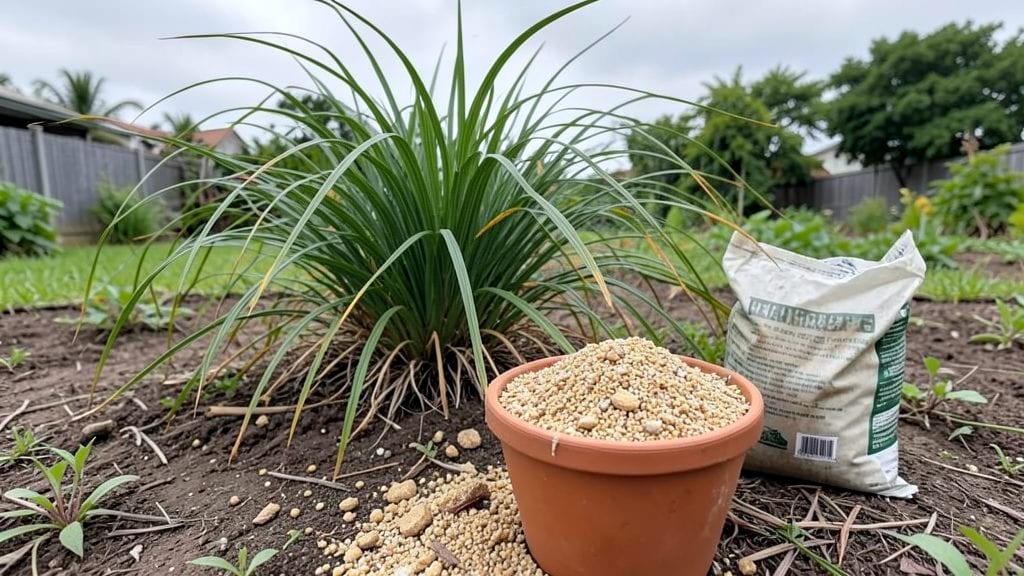
Lemon grass fertilizer enhances plant growth by delivering essential potassium, nitrogen, and micronutrients, but requires dilution to prevent root damage. For best results, apply it every 4-6 weeks during the growing season by mixing 1 part fertilizer with 10 parts water.
This natural fertilizer isn't just about quick growth—it strengthens plant immunity and improves soil structure over time. 🌱 The potassium boosts root development, while nitrogen fuels leafy growth, making it ideal for tropical plants like citrus or herbs.
I've seen dramatic improvements in my garden when using it alongside compost, especially during the hotter months when plants crave extra nutrients.
What sets lemon grass fertilizer apart is its micronutrient profile, which supports cellular health and essential oil production—critical for fragrant plants. The key is consistency: applying it too frequently can overwhelm roots, while skipping doses may leave plants nutrient-deficient.
Always test your soil first to adjust the dilution ratio if needed.
💡 In This Article
- How Lemon Grass Fertilizer Enhances Plant Health
- Step-by-Step Guide to Applying Lemon Grass Fertilizer
How lemon grass fertilizer enhances plant health
The real magic of lemon grass fertilizer lies in its nutrient trifecta: potassium, nitrogen, and micronutrients like manganese and zinc. Potassium (often called "plant potassium" or K) acts like a powerhouse for root systems, helping them absorb water and nutrients more efficiently.
This is especially critical for lemon grass, which thrives in tropical conditions where roots need to work hard to stabilize the plant in loose soil.
Studies show that adequate potassium levels can increase root biomass by up to 30% in just 6-8 weeks, creating a stronger anchor for the plant's towering stalks.
Nitrogen, meanwhile, is the growth accelerator that fuels leafy development. Lemon grass plants with optimal nitrogen levels develop broader, darker green leaves that maximize photosynthesis. The ideal nitrogen-to-potassium ratio for lemon grass is roughly 1:2, which supports both top growth and root strength simultaneously.
Organic versions of this fertilizer (like composted lemon grass tea) release nitrogen gradually, preventing the rapid "burn" effect seen with synthetic fertilizers. 🌱 This slow-release mechanism also nurtures beneficial soil microbes, which break down organic matter into plant-accessible forms.
What truly sets lemon grass fertilizer apart is its role in enhancing essential oil production. The micronutrients—particularly manganese and zinc—activate enzymes that boost the plant's metabolic processes. Without these trace elements, lemon grass would produce only about 50-60% of its potential essential oil yield.
For gardeners growing lemon grass for culinary or aromatic uses, this means more potent flavor and fragrance. The fertilizer's high potassium content also improves drought resistance, helping plants maintain oil production even during dry spells when other nutrients might become less available.
Organic versus synthetic versions create different soil ecosystems. Organic lemon grass fertilizer (often made from fermented lemon grass clippings) introduces beneficial bacteria and fungi that improve soil structure and water retention. These microbes form symbiotic relationships with plant roots, creating a more resilient growing environment.
Synthetic alternatives, while faster-acting, can disrupt this balance by altering soil pH and microbial populations. The organic route also produces fertilizer with a pH close to 6.5-7.0, ideal for most tropical plants including lemon grass.
Consider this comparison: A 1-teaspoon serving of organic lemon grass fertilizer (properly diluted) contains roughly 0.5 grams of potassium, 0.2 grams of nitrogen, and trace amounts of 12+ micronutrients. This translates to about 20% of a plant's daily potassium needs during active growth phases.
The micronutrients work at cellular levels—manganese helps with chlorophyll production, while zinc activates enzymes that strengthen cell walls against pests. This is why plants fertilized with lemon grass show improved resistance to common tropical pests like aphids and spider mites.
Here's what happens when you skip the fertilizer: Without adequate potassium, lemon grass roots become brittle and prone to rot. Nitrogen deficiency causes yellowing leaves (chlorosis), while micronutrient shortages lead to stunted growth and weak stalks.
The visual difference between fertilized and unfertilized plants is striking—fertilized lemon grass develops 20-30% taller stalks with leaves that are 30% wider on average. The aroma also becomes noticeably more intense due to higher essential oil content.
The key takeaway is that lemon grass fertilizer doesn't just feed plants—it creates a holistic growing environment. By supporting root development, enhancing oil production, and strengthening pest resistance, it transforms ordinary garden growth into something extraordinary.
For best results, pair it with regular soil testing to maintain the perfect nutrient balance. 💫