
Lawn
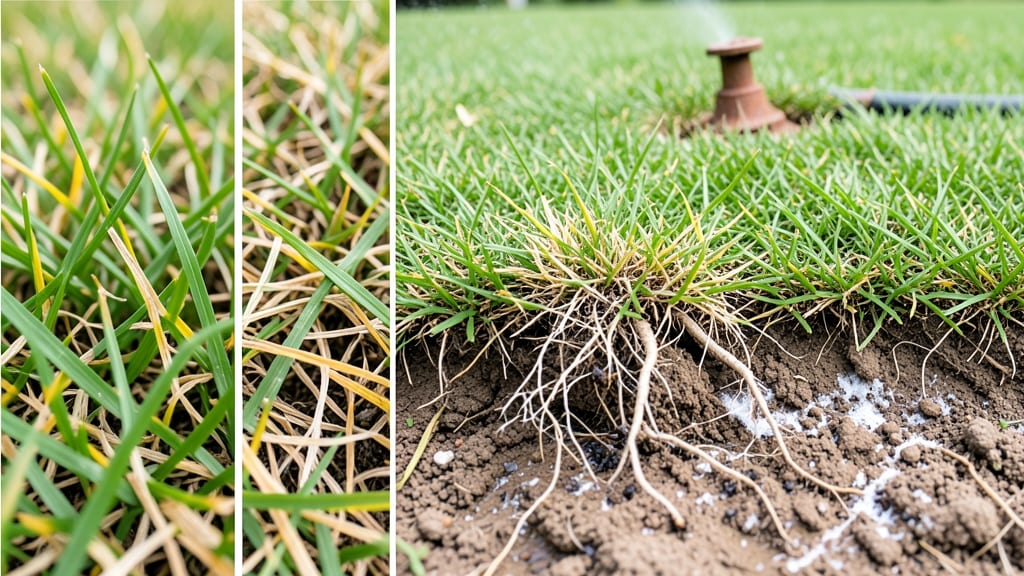
Seeing those stubborn yellow patches in your lawn? 🌱 The culprit is often acidic soil that's starving your grass roots. I've battled this myself—those patches spread faster than weeds if you ignore them, but the fix is simpler than you'd think.
Most people overlook the soil pH test, which reveals whether your lawn needs lime or sulfur to bounce back.
First, grab a soil test kit (or send a sample to your local extension office) to confirm the pH. If it's below 6.5, your grass can't access the nitrogen it needs—even with fertilizer. The good news?
Lime applications raise pH in just 4-6 weeks, and you'll see new green shoots pushing through within 2-3 weeks of treatment. It's not magic—it's chemistry your lawn has been craving.
Once the pH is balanced, your grass will drink up water and nutrients like never before. Think of it as giving your lawn a pH-tune-up instead of a band-aid fix.
The results? A thicker, more vibrant lawn that stays green through droughts and heatwaves—no more guessing why some patches stay yellow while others thrive.
This method works for all grass types, whether you've got Kentucky bluegrass, fescue, or Bermuda. The key is consistency: test, treat, and monitor. I've seen lawns go from 30% yellow to 95% green in a single season using this approach. Let's get those patches turning green again!
Root Causes Of Dead Grass
Yellow grass patches in your lawn aren’t just unsightly—they’re often a cry for help from your turf. Understanding the underlying causes is the first step to restoring a lush, green carpet. Below, we break down the most common culprits, explained in simple, actionable terms.
---
When temperatures soar and rainfall dwindles, grass blades struggle to stay hydrated. Drought stress occurs when roots can’t absorb enough water to sustain photosynthesis, causing chlorophyll to break down and leaves to turn yellow or brown.
This is especially common in:
- Shady areas where soil stays moist longer, but evaporation slows down.
- Thin or sparse lawns where grass competes with weeds for water.
- Clay-heavy soils that drain poorly, leaving roots waterlogged in some spots and parched in others.
💡 Pro Tip: Test your soil’s moisture by grabbing a handful—if it crumbles easily, your lawn is likely dry. Water deeply twice weekly (early morning) to encourage roots to grow deeper, not just surface-level.
---
Grass roots need aeration—space to breathe, access nutrients, and absorb water. Compacted soil, often caused by foot traffic, heavy equipment, or clay buildup, suffocates roots, leading to yellow patches.
Signs of compacted soil include:
- Water pooling instead of soaking in.
- Grass feeling spongy or springy underfoot.
- Slow recovery after mowing or play.
Poor soil health—low in organic matter or essential nutrients like nitrogen, phosphorus, or potassium—also weakens grass. Acidic soil (pH below 6.0) locks out vital minerals, starving your lawn.
🔥 Action Step: Conduct a DIY soil test (kits cost ~$10). If pH is off, amend with lime (to raise pH) or sulfur (to lower pH). For compaction, rent a core aerator or spike the lawn with a garden fork in the fall.
---
Fungal diseases thrive in humid, warm conditions and can turn grass yellow, brown, or even slimy. Common offenders include:
- Dollar Spot: Small, straw-colored patches with reddish-brown edges.
- Brown Patch: Circular, water-soaked yellow/brown rings (common in summer).
- Snow Mold: Gray or pink fuzzy patches after winter thaw.
Fungi spread when:
- Lawns are overwatered (keep grass 1–1.5 inches tall to reduce humidity at the soil level).
- Thatched layers (dead grass buildup) block airflow and moisture.
- Grass is nutrient-deficient, making it weak and susceptible.
🌡️ Prevention Tip: Improve airflow with proper mowing height and regular dethatching. Apply a fungicide (like BioAdvanced Fungus Control) if patches appear suddenly. For organic fixes, spray a baking soda solution (1 tbsp/gallon water) to raise pH and inhibit fungi.
---
Underground pests like grubs, chinch bugs, or sod webworms chew on grass roots, leaving behind yellowed or dead patches that pull up easily. Grubs, in particular, are the larvae of beetles and thrive in moist, fertile soil.
Look for these clues:
- Patches lift like carpet when tugged.
- Birds or raccoons digging in your lawn.
- Thin, wilted grass without visible disease.
🔪 Treatment: Apply a grub control like Bayer Advanced Grub Killer in late summer (when grubs are young). For chinch bugs, use a pyrethrin-based spray and reduce irrigation to stress them out.
---
Cutting grass too short (below 2–3 inches) exposes roots to sun and heat, stresses the plant, and invites weeds. This is called scalping, and it weakens grass, turning patches yellow or brown.
Other mowing mistakes:
- Using a dull mower blade (tears grass instead of clean cuts).
- Mowing wet grass (clumps and blocks sunlight).
- Uneven cuts leaving some areas shorter than others.
✨ Fix It: Adjust your mower to never remove more than 1/3 of the blade height at once. Sharpen blades annually or when grass looks jagged. Mow in different patterns weekly to prevent soil compaction.
Revive Your Lawn Naturally
Yellow grass patches can feel like a lawn care crisis, but with the right approach, your green oasis can bounce back—fast! The key is identifying the root cause (which we’ve already explored) and applying targeted fixes.
Below, we’ll map the most common culprits to step-by-step solutions, plus prevention tips to keep your lawn lush long-term.
---
If your soil is too acidic (pH below 6.0), nutrients like nitrogen and phosphorus become locked away, starving your grass roots. Here’s how to neutralize it:
#### 🍳 Step 1: Test Your Soil (Know Your Enemy) - Grab a soil test kit (available at garden centers for ~$10) or send a sample to your local Cooperative Extension Service for a detailed report. - Pro Tip: 💡 Test in spring or early fall when soil moisture is stable.
Avoid testing right after fertilizing or rain.
#### 👨🍳 Step 2: Apply Lime to Raise pH - Quick Fix: Sprinkle pelletized lime (calcium carbonate) evenly over the yellow patches.
Use 10–20 lbs per 1,000 sq ft for moderate acidity (adjust based on test results). - How to Apply: - Lightly rake the area to loosen soil. - Spread lime with a broadcast spreader or by hand (wear gloves!). - Water deeply to help it sink into the soil. - When to Do It: Early spring or fall (avoid summer heat, which can burn grass).
#### 🥘 Step 3: Feed Your Grass Post-Treatment - Wait 4–6 weeks after liming before fertilizing. - Use a balanced fertilizer (e.g., 16-4-8) to replenish nutrients. For extra green-up, add iron sulfate (follow package rates—too much can turn grass purple!).
#### ⏰ Timeline for Recovery | Action | Timeframe | |--------------------------|------------------------| | Lime application | Instant (but takes time to work) | | pH adjustment | 2–4 weeks | | Visible green-up | 4–6 weeks | | Full recovery | 6–8 weeks |
---
If your lawn sits on hardpan, clay, or lacks organic matter, grass roots suffocate, leading to yellow patches.
#### 🔪 Step 1: Aerate the Soil (Let Roots Breathe) - Rent or buy a core aerator (or hire a pro for large lawns). - When to Aerate: Late spring or early fall (avoid drought or frost). - How Deep? Aim for 3–4 inches—deeper for clay soil.
#### 🌱 Step 2: Improve Soil Structure - Top-Dress with Compost: - Spread a ¼-inch layer of compost over the aerated holes. - Lightly rake it in and water thoroughly. - For Sandy Soil: Mix in peat moss or coconut coir to retain moisture. - For Clay Soil: Add sand and compost (50/50 mix) to improve drainage.
#### 💡 Pro Tip: 🌡️ Test moisture levels before aerating—soil should be damp but not soggy. Overwatering before aeration can clog the machine!
---
Yellow patches from water stress look similar but need opposite fixes.
#### 💧 For Underwatered Grass (Drought Stress) - Water Deeply, Less Often: - 1–1.5 inches per week (including rain).
Use a rain gauge to track. - Water early morning (4–8 AM) to reduce evaporation. - Drought-Resistant Grass Seed: - If patches are large, overseed with drought-tolerant varieties like tall fescue or Bermuda grass. - Mulch: Spread straw mulch over bare spots to retain moisture.
#### 🌧️ For Overwatered Grass (Fungal Risk) - Adjust Watering Schedule: - Water 2–3 times per week (deep soak, not light sprinkles). - Ensure proper drainage—fix low spots or install French drains if needed. - Fungal Treatment: - Apply a fungicide (e.g., propiconazole) if you see brown rings or mold. - Prevent Future Issues: Avoid evening watering (encourages fungus).
---
Yellow patches from lack of nitrogen, iron, or potassium need a targeted boost.
#### 📊 Step 1: Diagnose the Deficiency | Symptom | Likely Cause | Fix | |---------------------------|---------------------------|----------------------------------| | Pale yellow, weak growth | Nitrogen deficiency | Quick-release fertilizer (e.g., urea) or blood meal | | Yellow with green veins | Iron deficiency (chlorosis) | Iron sulfate or chelated iron | | Yellow edges on blades | Potassium deficiency | Potassium sulfate or wood ash (use sparingly) |
#### 💪 Step 2: Apply the Right Fertilizer - For Nitrogen: Use a high-nitrogen fertilizer (e.g., 30-0-4) in spring. - For Iron: Sprinkle iron sulfate on dry grass, then water lightly. - For Potassium: Apply a potassium-rich fertilizer (e.g., 0-0-50) in late summer.
--- 1. 🌡️ Test Soil Annually – Adjust pH and nutrients proactively. 2. ✨ Mow High – Set your mower to 3–4 inches to encourage deep roots. 3. 🎯 Overseed Thin Spots – Use matching grass seed in early fall.
4. 🔄 Aerate & Top-Dress – Do this once a year for compacted soil. 5. 💧 Water Smartly – Deep and early to avoid fungal growth.
--- Remember: Patience is key! Some fixes (like liming) take weeks to show results. Stick with it, and your lawn will thank you with vibrant green patches in no time. 🌿✨
Frequently asked questions
Why do some yellow patches stay green after rain while others don't?
This usually indicates soil compaction or fungal activity in the yellow areas. The green patches are getting better water absorption, while compacted soil repels water. Test by pressing your finger into both areas - if the yellow patch feels hard, it's compacted. Aerate those spots immediately and consider a fungicide if you see brown rings.
Can I use coffee grounds to fix yellow patches?
Coffee grounds can help slightly by adding organic matter, but they're not a complete solution for yellow patches. They lower pH slightly (making soil more acidic), which works if your grass needs that. For best results, mix them with compost and spread ¼-inch thick over aerated soil. Test your pH first - if it's already acidic, skip this!
How long should I wait before overseeding yellow patches?
Wait until the yellow patches show at least 50% green growth before overseeding. This usually takes 4-6 weeks after treating the root cause (like liming or aerating). Choose seed that matches your existing grass type. For cool-season grasses, overseed in early fall when temperatures are 60-75°F for best results.
Will lime hurt my lawn if I use too much?
Yes, over-applying lime can raise pH too quickly, burning grass roots and creating yellow patches. Start with 10 lbs per 1,000 sq ft and test soil again in 6 weeks. If you see new yellowing after liming, flush the soil with water to dilute the excess. Always water thoroughly after application to help it sink into the soil properly.
Can I fix yellow patches in winter?
Winter is a bad time for most fixes since grass growth slows dramatically. However, you can: 1) Apply winterizer fertilizer (low-nitrogen) in late fall, 2) Aerate if soil isn't frozen, or 3) Spread straw mulch to protect existing grass. Focus on spring treatments - lime, compost, and overseeding work best when temperatures are 50°F+.