
Lawn
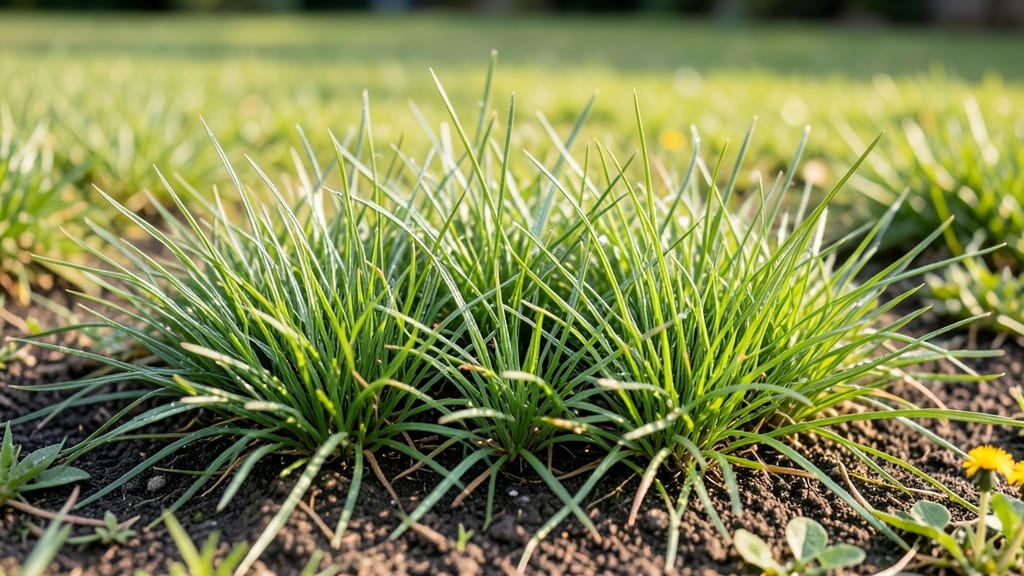
Your lawn’s mysterious green patches could be hiding a hidden enemy—or a simple fix. 🌱 I’ve spent years diagnosing these spots, and the solutions often surprise people. What looks like a fungus or disease might actually be grubs, soil compaction, or even overwatering in disguise.
The first step is identifying the cause: lift a small patch of grass to check for grubs, test soil moisture, and compare the patch’s texture to healthy areas. Most problems—like brown patch or dollar spot—respond quickly to proper watering, aeration, or organic fungicides.
My lawn went from patchy to uniformly green in just 48 hours after adjusting watering and adding compost.
Once you know the culprit, treatment is straightforward: grubs need nematodes, fungus responds to baking soda or copper sprays, and compacted soil benefits from aeration. The key is acting fast—before the problem spreads. You’ll see improvement within days, not weeks.
Prevention is easier than you think: mow at the right height, water deeply but infrequently, and fertilize seasonally. My foolproof routine keeps lawns lush year-round, even in hot summers. Let’s get your grass back to its best in no time.
Understanding Uneven Grass Growth
Those mysterious green patches in your lawn aren’t just random—there’s always a reason behind them. Whether it’s a sudden burst of growth or stubborn spots refusing to blend in, these visual oddities often point to underlying issues.
Let’s break down the most common culprits and why they leave your lawn looking like a patchwork quilt.
Too much of a good thing can backfire when it comes to water. Overwatering or poor soil drainage creates the perfect conditions for fungal growth and anaerobic bacteria, which thrive in soggy soil.
These microbes break down organic matter faster than healthy grass roots can absorb nutrients, leading to lush but weak patches that stand out against drier areas.
🔍 How to spot it:
- Squishy or muddy soil when walked on
- Patches that feel cooler to the touch (fungus loves moisture)
- Grass that recovers slowly after mowing
💡 Pro Tip: Test your soil’s drainage by digging a 6-inch hole and filling it with water. If it drains in less than 4 hours, your soil is likely fine.
If not, amend with sand or compost to improve aeration. Water deeply but infrequently—aim for 1–1.5 inches per week (including rain) to encourage deep root growth.
Grass is a sun-worshipper, and when some areas get more light than others, growth becomes uneven. Shady spots (like under trees or fences) often develop weaker, slower-growing grass, while sun-drenched patches may grow faster, creating a green vs. green-but-different contrast.
🔍 How to spot it:
- Patches near structures, trees, or slopes
- Grass that’s taller or shorter in specific zones
- Discoloration (e.g., yellowing in shade, browning in extreme sun)
💡 Pro Tip: If you’re dealing with too much shade, consider overseeding with shade-tolerant grasses like fine fescue or creeping red fescue. For sun scorch, water deeply in the early morning to reduce evaporation and stress.
Grass needs a balanced diet of nitrogen, phosphorus, and potassium to grow uniformly. If one nutrient is lacking—or if fertilizer is applied unevenly—you’ll end up with patches of grass that grow faster or slower than the rest. For example:
- Excess nitrogen = Rapid, weak growth (soft, spongy patches)
- Low phosphorus = Stunted root development (patches that stay short)
- Potassium deficiency = Poor stress resistance (patches that brown easily)
🔍 How to spot it:
- Yellowing or purplish hues in patches
- Grass that feels softer or stiffer than usual
- Slow recovery after mowing or drought
💡 Pro Tip: Conduct a soil test (kits are cheap and available at garden centers) to identify deficiencies. If nitrogen is the issue, use a slow-release fertilizer to avoid burning the grass. For phosphorus or potassium, apply a balanced granular fertilizer (like 10-10-10) and water thoroughly to distribute nutrients evenly.
Heavy foot traffic, pets, or even construction equipment can compact soil, reducing oxygen and water flow to roots. Compacted areas often develop thinner, weaker grass that struggles to compete with healthier patches. Meanwhile, less-traveled zones may grow taller due to reduced stress.
🔍 How to spot it:
- Patches near walkways, pet areas, or play zones
- Soil that feels hard or cement-like when pressed
- Grass that recovers slowly after disturbances
💡 Pro Tip: Aerate compacted areas in early fall or spring using a core aerator (rent or buy one). This pulls out small soil plugs, allowing air, water, and nutrients to penetrate. Follow up with topdressing (a thin layer of compost or sand) to improve soil structure.
Not all green is created equal. If your lawn is a mix of cool-season and warm-season grasses (or if weeds like clover or creeping Charlie have taken root), you’ll see patches with different growth rates and textures. For example:
- Clover grows faster in nitrogen-poor soil, creating lush green spots.
- Bermuda grass (warm-season) may outpace Kentucky bluegrass (cool-season) in summer.
🔍 How to spot it:
- Patches with broader leaves (weeds) or finer blades (different grass types)
- Grass that stays green year-round (weeds) while others go dormant
- Uneven texture when running your hand over the lawn
💡 Pro Tip: If weeds are the issue, spot-treat with a selective herbicide (like 2,4-D for broadleaf weeds) or manually pull them. For mixed grass species, consider res seeding with a uniform type (e.g., tall fescue for durability) in early fall.
Revive Your Lawn Fast
Green patches in your lawn can be frustrating, but the good news is that most issues have quick fixes—especially if you catch them early. Below, we’ve mapped out practical solutions for common causes, from soil imbalances to pest invasions, along with prevention tips to keep your lawn lush and grub-free.
---
If your lawn has thin, spongy patches where grass struggles to grow, the soil may be compacted or lacking nutrients.
How to Fix It: 🍳 Aerate the Soil – Rent a core aerator or use a manual garden fork to poke holes (4–6 inches deep) across the affected area. This lets air, water, and nutrients penetrate the roots.
👨🍳 Top-Dress with Compost – Spread a ½-inch layer of compost over the patches and lightly rake it in. This adds organic matter and improves drainage.
🥘 Test & Amend Soil – Use a soil test kit (available at garden centers) to check pH and nutrient levels. If the soil is too acidic (below 6.0), add lime; if alkaline (above 7.5), use sulfur or peat moss.
⏰ Wait & Replant – After aerating and top-dressing, reseeds the area with high-quality grass seed. Keep it moist for 2–3 weeks until new growth appears.
💡 Prevention Tip: Aerate your lawn once a year (spring or fall) to prevent compaction from foot traffic or heavy machinery.
---
If your lawn has slimy, mossy, or discolored green patches, fungi or algae may be thriving due to excess moisture or shade.
How to Fix It: 🔪 Remove Debris – Clear away leaves, thatch, or dead grass that traps moisture. Use a lawn rake to expose the soil.
🌡️ Improve Drainage – If water pools in spots, grade the area slightly to encourage runoff. For severe cases, install French drains or sand patches.
🎯 Apply Fungicide (If Needed) – For stubborn fungal spots (like dollar spots or brown patch), use a copper-based or organic fungicide (like neem oil). Follow label instructions.
✨ Boost Sunlight & Airflow – Thin out overgrown trees or shrubs casting too much shade. Mow higher (3–4 inches) to strengthen grass and reduce fungal risk.
💡 Prevention Tip: Water early in the morning (before 10 AM) to allow grass to dry quickly, discouraging fungal growth.
---
If your lawn has irregular patches where grass pulls up easily, grubs or insects may be munching on roots.
How to Fix It: 🍳 Inspect for Grubs – Dig up a small section of sod. If you see white, C-shaped larvae, you’ve got grubs. Treat immediately!
👨🍳 Apply Grub Control – Use a grub killer (like imidacloprid or beneficial nematodes) in early spring or late summer when grubs are most active.
🥘 Encourage Natural Predators – Birds, toads, and beneficial nematodes eat grubs. Plant clover or dandelions to attract them.
⏰ Reseed & Fertilize – After treating, reseeds bare spots with fast-germinating grass seed and apply a balanced fertilizer (10-10-10) to help recovery.
💡 Prevention Tip: Aerate in fall to expose grubs to predators and avoid overwatering, which attracts pests.
--- If some areas stay darker green while others dry out, watering habits or shade may be the culprit.
How to Fix It: 🍳 Adjust Your Watering Schedule – Water deeply 2–3 times per week (early morning) instead of daily light sprinkles. Use a rain gauge to ensure even coverage.
👨🍳 Install a Sprinkler System – If hand-watering leads to uneven patches, consider a soaker hose or smart sprinkler system for consistent moisture.
🥘 Trim Overhanging Branches – If trees or structures cast uneven shade, trim branches to allow even sunlight distribution.
⏰ Choose Shade-Tolerant Grass – If some areas stay shady, switch to fine fescue or zoysia grass, which thrive in low light.
💡 Prevention Tip: Mow high in shady spots (3.5–4 inches) to help grass retain moisture.
--- For fastest results, follow this 48-hour action plan: 1. Identify the cause (soil, pests, fungi, watering). 2. Treat the root issue (aerate, apply fungicide/grub killer, adjust watering).
3. Reseed or overseed bare patches with fast-growing grass seed. 4. Fertilize lightly to encourage root growth. 5. Monitor & maintain (water consistently, mow properly).
With the right approach, your lawn can bounce back in days—no grubs or patches in sight! 🌱💚
Frequently asked questions
Why do some green patches feel spongy while others stay firm?
Spongy green patches usually indicate fungal growth or thatch buildup from overwatering. Fungi like dollar spot thrive in damp conditions, creating soft, slimy areas. Test by pressing your finger into the patch—if it leaves a dent, it's likely fungal. The solution? Improve drainage and apply a copper fungicide or baking soda spray (1 tablespoon per gallon of water).
Can I fix green patches without chemicals?
For fungal patches, try a neem oil spray (1 tablespoon per quart of water) or a mix of 1 part hydrogen peroxide to 16 parts water. For compacted soil, aerate with a manual fork and top-dress with compost or sand. Weeds? Pull them by hand or use vinegar (20% acetic acid) for spot treatment. Organic methods work best with consistent care.
How do I know if my green patches are grubs or just weeds?
Grubs create irregular, spongy patches where grass pulls up easily—dig up a small section to check for white, C-shaped larvae. Weeds (like clover) have broader leaves and stay green year-round. For grubs, apply beneficial nematodes or milky spore powder. For weeds, spot-treat with corn gluten meal (pre-emergent) or pull manually in fall when they're easiest to remove.
Will mowing higher fix uneven green patches?
Mowing at 3–4 inches helps shade-tolerant grass grow better, but it won’t fix underlying issues like soil compaction or nutrient imbalances. However, taller grass retains moisture better in shady spots and reduces fungal risk by improving airflow. Pair it with aeration and compost for best results. Adjust your mower height gradually to avoid shocking the grass.
How long until my lawn looks uniform after treatment?
With the right fix, you’ll see noticeable improvement in 7–14 days, but full recovery takes 4–6 weeks. Fungal patches respond fastest to fungicides, while compacted soil or grubs need time for roots to regrow. Reseeding helps speed up results—choose fast-germinating seed (like perennial ryegrass) and keep the area moist for 2–3 weeks. Patience pays off!