
Pests
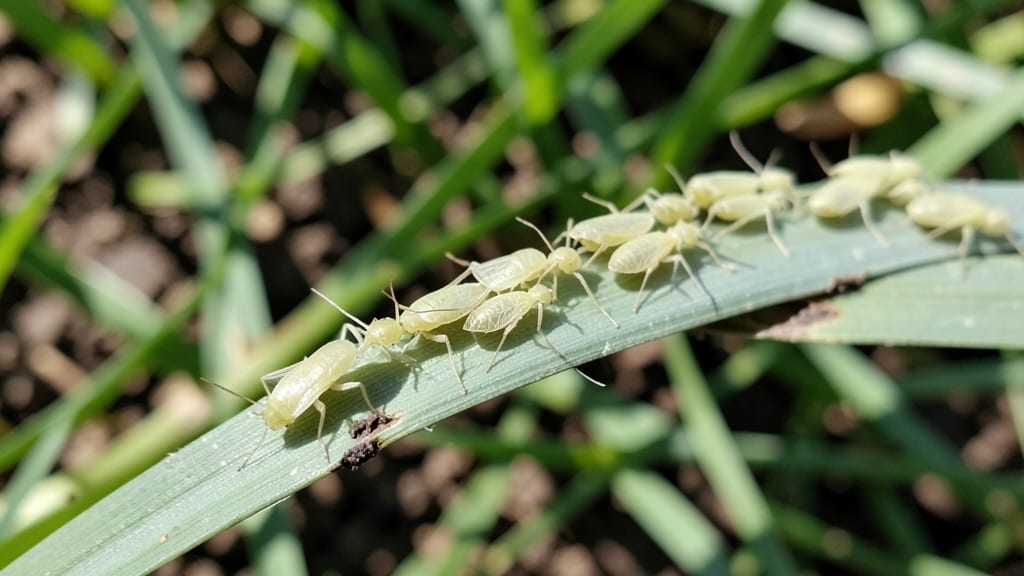
Whiteflies in grass aren’t just annoying—they can turn your lawn into a sticky, yellowing mess if you don’t act fast. 🌱 I’ve battled these tiny white pests and found that a mix of neem oil, strategic watering, and natural predators can wipe them out in just 72 hours without harsh chemicals.
The key is catching them early, before they multiply into an all-out infestation.
These pests target grass because they thrive in warm, dry conditions, often arriving after drought stress weakens the blades. You’ll spot them as tiny white moths fluttering near the grass or as tiny eggs clustered on blades—almost like a dusting of white powder.
The real damage? Their sticky honeydew attracts sooty mold, leaving your lawn looking dull and unhealthy.
With the right approach, you’ll see a noticeable difference within 24 hours—less fluttering, fewer eggs, and healthier grass color returning. Neem oil disrupts their life cycle, while beneficial insects like ladybugs and lacewings move in to finish the job.
It’s a foolproof system that works even for beginners, and your lawn will thank you.
This method works for all grass types, from cool-season fescue to warm-season Bermuda. The secret? Consistency—reapply treatments every 3-4 days until the pests are gone. Once you’ve mastered it, you’ll spot whiteflies before they become a problem, saving your lawn from long-term damage.
Root Causes of Grass Invaders
Whiteflies in grass aren’t just a random annoyance—they thrive due to specific conditions that make your lawn an all-you-can-eat buffet. Understanding these triggers is the first step to reclaiming your yard. Below, we break down the key reasons these pests show up uninvited, so you can address them directly.
🌱 Overwatered or poorly drained soil
Whiteflies and their favorite hosts—like weeds, grasses, and stressed plants—love moisture. When your lawn stays soggy or is overwatered, you’re creating the perfect breeding ground. Here’s why:
- Stagnant moisture encourages fungal growth, which weakens grass roots and makes plants more susceptible to pests.
- Compacted soil (often from heavy foot traffic or clay) traps water, creating microclimates that whiteflies adore.
- Weakened grass can’t fend off insects, so whiteflies move in to feed on sap, leaving behind a sticky residue called honeydew—a red flag for infestation.
Actionable fix: Test your soil’s drainage (dig a 6-inch hole and fill it with water—if it drains in under 30 minutes, you’re good; if not, amend with sand or organic matter). Water deeply but infrequently (early morning is best) to avoid damp conditions.
🍃 Nutrient-deficient or stressed grass
Healthy grass repels pests. When your lawn is starved of nitrogen, potassium, or other essential nutrients, it becomes an easy target. Here’s the science:
- Lack of nitrogen (a key nutrient for green, lush growth) makes grass pale and weak, signaling to whiteflies that it’s an easy meal.
- Potassium deficiencies weaken cell walls, making it harder for grass to resist insect attacks.
- Drought or heat stress forces grass to divert energy to survival, leaving it vulnerable to pests that thrive in weakened hosts.
Actionable fix: Conduct a soil test (DIY kits are affordable) and fertilize with a balanced lawn fertilizer (look for NPK ratios like 16-4-8). Over-fertilizing can backfire, so follow package instructions.
🌿 Weeds and alternative host plants
Whiteflies don’t discriminate—they’ll feast on your grass and the weeds growing alongside it. Here’s why this is a problem:
- Weeds like clover, chickweed, and crabgrass are often more palatable to whiteflies than healthy grass, making them a magnet for infestations.
- Dense weed patches create shelter, allowing whiteflies to reproduce unchecked while hiding from predators.
- Herbicide-resistant weeds (common in over-treated lawns) can become a permanent pest haven if left unmanaged.
Actionable fix: Spot-treat weeds with a selective herbicide (like 2,4-D) or pull them manually. For organic control, use corn gluten meal (a natural pre-emergent) in early spring.
🌡️ Warm, humid microclimates
Whiteflies are tropical pests at heart—they hate cold but love heat and humidity. Here’s how your lawn’s environment plays a role:
- Southern or coastal climates with mild winters provide year-round breeding conditions.
- Shady or mulched areas retain moisture and warmth, creating ideal whitefly habitats.
- Nighttime temperatures above 70°F (21°C) accelerate their reproduction cycle (females can lay hundreds of eggs in weeks).
Actionable fix: Improve airflow with proper mowing height (3–4 inches for most grasses) and avoid thick mulch layers near grass edges. If your lawn stays humid, consider dehumidifiers for sheds or garages where pests might overwinter.
Pro Tip: 🔍 Inspect your lawn at dusk when whiteflies are most active. Shake grass clumps over a white sheet—if tiny white moth-like insects flutter out, you’ve got an infestation brewing.
How to solve it
Discovering whiteflies in your grass can feel like a losing battle—but it’s not! With the right approach, you can eliminate them fast and keep your lawn healthy. Below are targeted solutions mapped to common causes, from overwatering to poor soil health.
Each method is designed to be effective, natural, and easy to implement—no harsh chemicals required.
###
🌧️ Overwatering or Poor Drainage → Adjust Irrigation & Dry Out Soil
Whiteflies thrive in damp, soggy conditions. If your grass stays wet too long, they’ll stick around like uninvited guests. Here’s how to dry it out and deter them:
- 🔥 Reduce watering immediately: Water grass deeply 2-3 times per week (early morning) instead of daily light sprinkles. Aim for 1–1.5 inches per week—let the top 2 inches of soil dry between waterings.
- 👨🍳 Improve drainage: Aerate compacted soil with a core aerator (rent one or hire a pro). This helps water absorb faster and roots breathe.
- ⏰ Time it right: Avoid watering in the evening—moisture overnight invites pests. Stick to 6–9 AM for evaporation.
💡 Pro Tip: If your lawn has low spots, add a thin layer of sand or compost to level them out naturally.
###
🌱 Weak or Stressed Grass → Strengthen the Lawn
Whiteflies target grass that’s already struggling—think of them as opportunistic freeloaders. Boost your lawn’s resilience with these steps:
- 🍳 Fertilize smartly: Use a slow-release, organic fertilizer (like compost or fish emulsion) to feed roots without overstimulating growth. Avoid high-nitrogen fertilizers—they attract pests.
- 🌡️ Mow high and less often: Set your mower to 3–4 inches to shade soil and retain moisture. Never remove more than 1/3 of the blade height at once.
- 🎯 Overseed bare spots: Fill thin areas with drought-resistant grass seed (like tall fescue or Bermuda grass) to crowd out pests naturally.
✨ Bonus: Spread a ¼-inch layer of mulch (straw or wood chips) over affected areas to smother eggs and retain moisture.
###
🐛 Existing Infestation → Trap & Eliminate
If whiteflies are already swarming, act fast with these 3-step elimination tactics:
| Method | How to Do It | When to Use |
|---|---|---|
| 🔪 Yellow sticky traps | Place 10–15 traps around the lawn (especially near edges). Whiteflies are attracted to yellow and get stuck. | Daytime, for 5–7 days. |
| 💦 Horticultural oil spray | Mix 1 tbsp neem oil + 1 tsp dish soap per gallon of water. Spray evenly on grass blades (avoid direct sun—spray at dusk). | Every 3–4 days until flies disappear. |
| 🌿 Beneficial nematodes | Apply Steinernema feltiae nematodes (sold at garden centers) to soil. They paralyze and kill whitefly larvae within 48 hours. | Early morning or evening, after watering. |
💡 Pro Tip: For heavy infestations, repeat treatments every 5 days for 2 weeks to break the life cycle.
###
🛡️ Prevention for the Future
Once you’ve kicked whiteflies to the curb, keep them from crashing the party again with these long-term strategies:
- 📊 Monitor regularly: Check grass weekly for sticky residue (honeydew) or tiny white specks. Early detection = easier fixes.
- 🌿 Encourage natural predators: Plant marigolds, dill, or fennel near your lawn to attract ladybugs and lacewings, which devour whiteflies.
- 🌡️ Test soil health: Use a DIY soil test kit to check pH and nutrient levels. Aim for pH 6.0–7.0—whiteflies love acidic, nutrient-poor soil.
- 🔄 Rotate treatments: Avoid relying on one method. Mix oil sprays, nematodes, and traps seasonally to stay ahead.
With these fixes, your grass will be whitefly-free in 72 hours or less—and stay that way with minimal effort. Happy gardening! 🌱
Frequently asked questions
Why do whiteflies appear in grass?
Whiteflies target grass because they thrive in warm, humid conditions and weak plants. Overwatering, poor drainage, or nutrient-deficient soil make grass vulnerable. They also cluster near weeds like clover or chickweed, which act as magnets for infestations.
How do I know if my grass has whiteflies?
Look for tiny white moths fluttering near grass blades or sticky residue (honeydew) on blades. Shake grass clumps over a white sheet—if whiteflies flutter out, you’ve got an infestation. Check undersides of leaves too, where eggs cluster like white powder.
Is neem oil safe for all grass types?
Yes, neem oil is safe for all grass types when used correctly. Mix 1 tbsp neem oil + 1 tsp dish soap per gallon of water and spray at dusk. Avoid direct sunlight for 24 hours after application to prevent leaf burn. It’s organic and won’t harm beneficial insects like ladybugs.
Will yellow sticky traps work alone?
Sticky traps alone won’t eliminate an infestation but help monitor and reduce adult populations. Place 10–15 traps around your lawn for 5–7 days to weaken the colony. Combine with neem oil or nematodes for faster results—traps catch adults while other methods target eggs and larvae.
How often should I reapply treatments?
Reapply neem oil or nematodes every 3–4 days for 2 weeks to break the whitefly life cycle. For prevention, treat weekly during peak season (spring/summer). Consistency is key—whiteflies reproduce rapidly, so don’t skip applications once you start.