
Lawn
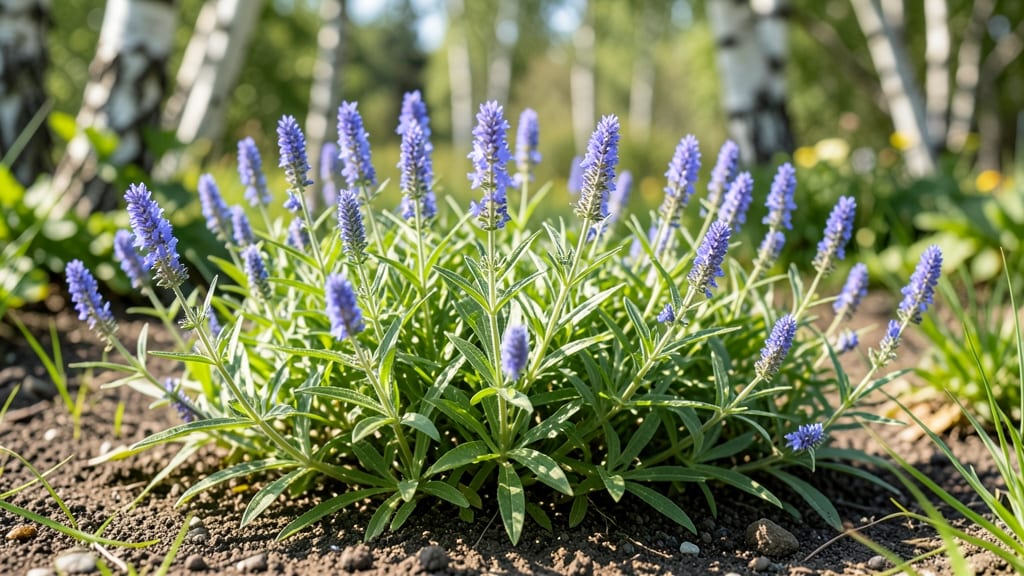
Corn speedwell in lawns isn’t just an eyesore—it’s a stubborn weed that spreads fast and crowds out grass. 🌱 I’ve battled this invasive little plant for years, and I’ve found the vinegar-free spot treatments that actually work without harming your lawn. The key?
Timing and the right technique to pull it out before it seeds. Most people grab the wrong tools—like pulling too late or using harsh chemicals that kill grass too.
Instead, focus on early morning when the plant is plump with water, and use a weed torch or boiling water for spot treatment. It’s not just about killing what you see; it’s about stopping the cycle before it starts.
By the end of the week, you’ll see patches of grass reclaiming space where speedwell once ruled. The lawn stays thick, green, and free of those pesky blue flowers that pop up everywhere. And the best part? No vinegar smell or chemical residue left behind.
Works for any lawn type—cool-season or warm-season grass—just adjust your timing based on your region. Let’s tackle this weed for good!
Root Causes Of Weed Spread
Corn speedwell (or Veronica arvensis) thrives in lawns not by accident—it’s the result of specific environmental and maintenance conditions that give it the upper hand. Understanding these triggers is the first step to stopping its spread before it takes over.
Let’s break down why this pesky weed keeps popping up in your grass.
Corn speedwell loves thin, weak grass because it exposes bare soil—its perfect breeding ground. Here’s how poor soil sets the stage:
- Compacted Soil: Heavy foot traffic, machinery, or clay-heavy soil compresses the root zone, restricting water and nutrient flow. Grass struggles to grow thickly, leaving gaps for weeds like speedwell to invade. Test your soil’s compaction by pressing a shovel into the ground—if it resists, aeration is needed.
- Low Organic Matter: Soil lacking compost or decomposed plant material drains too quickly or holds too much water, both of which stress grass. Speedwell thrives in these unstable conditions because its shallow roots can quickly exploit any moisture fluctuations. Solution: Top-dress with ¼-inch of compost annually to improve soil structure.
- Imbalanced pH: Corn speedwell prefers slightly acidic to neutral soil (pH 6.0–7.0). If your lawn’s pH is too low (acidic) or too high (alkaline), grass weakens while speedwell adapts. Test your soil with a home kit—aim for a pH of 6.0–7.0 for optimal turf health.
💡 Pro Tip: Overseed bare patches in fall with a dense, competitive grass mix (like fine fescue or perennial ryegrass) to outcompete speedwell before it germinates.
Corn speedwell is a sun-loving opportunist. While it can tolerate partial shade, it explodes in full sun—especially when grass is stressed. Here’s how light plays a role:
- Thinning Grass Canopies: If your lawn has bare spots, dead patches, or sparse grass, speedwell seeds (which can lie dormant for years) detect the increased sunlight and germinate en masse. Action: Mow at the highest recommended height for your grass type (e.g., 3–4 inches for Kentucky bluegrass) to shade out weeds.
- Sudden Light Changes: After renovating, aerating, or even just raking leaves, exposed soil gets more sunlight. Speedwell seeds sense this shift and sprout within 1–2 weeks. Prevent it: Apply a pre-emergent herbicide (like corn gluten meal) in early spring to block germination.
- Edge Effects: Weeds often invade along driveways, sidewalks, or garden borders where light hits differently. Speedwell spreads via seed dispersal by wind and animals, so these edges become high-risk zones. Fix it: Install edging barriers or mulch borders to limit seed spread.
🌡️ Key Insight: Speedwell germinates best in warm soil (50–60°F). Monitor your lawn’s soil temp with a soil thermometer—if it’s hitting this range in early spring, act fast with pre-emergent treatments.
Your watering routine might be unintentionally fertilizing corn speedwell. This weed thrives on inconsistent moisture, which most homeowners accidentally provide:
- Overwatering: Deep, infrequent watering (1–1.5 inches per week) strengthens grass roots, but light, frequent watering keeps the topsoil damp—ideal for speedwell. Adjust: Water deeply 2–3 times per week (early morning) to encourage grass roots to grow deeper.
- Underwatering: Drought-stressed grass leaves patches where speedwell seeds germinate. Even worse, dry soil cracks can bury seeds deeper, making them harder to kill later. Solution: During dry spells, water 1–2 inches per week to keep grass actively growing.
- Irrigation Runoff: Sloped lawns or improper sprinkler placement can create wet pockets where speedwell clusters. These weeds then spread via self-seeding (dropping thousands of seeds per plant). Fix it: Adjust sprinklers to deliver even coverage and check for low spots that hold excess water.
✨ Expert Hack: If you’re dealing with a speedwell outbreak, reduce watering temporarily to stress the weed (it’s not drought-tolerant like crabgrass). Combine this with spot treatments for best results.
Now that you know why corn speedwell takes over, the next step is targeted, vinegar-free removal—without harming your lawn. Stay tuned!
Remove & Prevent Weeds Naturally
Now that you understand why corn speedwell invades your lawn, it’s time to tackle it effectively—without harsh chemicals. Below are targeted solutions based on the root causes (shady spots, poor soil, or overwatering) and practical fixes to eliminate existing weeds and keep them from returning.
---
Best for: Early-stage infestations or isolated clusters. Why it works: Removes the entire root system, preventing regrowth.
1. 👨🍳 Choose the Right Time - Pull weeds after rain or when soil is moist (roots slip out easier). - Target young plants (before they seed) for less effort.
2. 🔪 Use the Right Tools - Gloves (to avoid skin irritation from sap). - A weed puller or digging fork for stubborn roots. - A sharp knife (for deeply embedded roots).
3. ⏰ Timing Matters - Work in short bursts (10–15 minutes) to avoid fatigue. - Recheck the area weekly—new sprouts appear fast!
💡 Pro Tip: Pull weeds early in the morning when they’re still turgid (full of water), making them easier to remove.
---
Best for: Long-term prevention by strengthening your grass.
1. 🌡️ Improve Soil Conditions - Test your soil (pH 6.0–7.0 is ideal for most grasses). - Add compost (1–2 inches) to improve drainage and nutrient absorption. - Aerate compacted soil (rent a core aerator or use a lawn fork).
2. 💪 Select the Right Grass - Shade-tolerant grasses (like fine fescue) for low-light areas. - Dense, competitive grasses (like Kentucky bluegrass) for sunny spots. - Overseed bare patches in early fall for rapid recovery.
3. 📊 Water Smartly - Deep, infrequent watering (1–1.5 inches per week) encourages deep roots. - Water early morning to reduce fungal risks and evaporation. - Avoid overwatering—corn speedwell thrives in soggy conditions.
✨ Prevention Bonus: Mow high (3–4 inches) to shade out weeds and promote grass density.
---
Best for: Targeted kills without harming grass or pets.
| Method | How to Apply | When to Use | Safety Notes | |--------------------------|---------------------------------------------------------------------------------|------------------------------------------|-------------------------------------------| | Boiling Water | Pour 1–2 cups directly on weeds (avoid grass). | Warm days, dry soil. | Test on a small patch first. | | Salt Solution | Mix 1 tbsp salt + 1 gallon water, spray on weeds (avoid desirable plants). | Dry, sunny days. | Use sparingly—can harm soil long-term. | | Corn Gluten Meal | Apply 20 lbs per 1,000 sq ft in early spring (pre-emergent). | Before weeds sprout. | Organic, safe for lawns. | | Dish Soap + Water | Mix 2 tbsp dish soap + 1 gallon water, spray on leaves (avoid wind). | Calm, sunny days. | Works best on young weeds. |
💡 Pro Tip: For persistent spots, combine hand-pulling + boiling water for a one-two punch.
---
Stop corn speedwell from coming back with these simple habits:
- 🌿 Mulch garden beds (3–4 inches of wood chips) to block light. - 🌱 Plant ground covers (like clover) in high-traffic or shady areas. - 🗓️ Stay ahead of seeds—pull weeds before they flower (June–August is critical). - 🔄 Rotate treatments—don’t rely on one method (weeds adapt!). - 🧹 Clean tools after pulling weeds to avoid spreading seeds.
--- Final Note: Consistency is key—weekly checks in spring and fall will keep your lawn lush and weed-free. For large infestations, combine hand-pulling + soil improvement + natural treatments for the best results. 🌱
Frequently asked questions
How can I tell if those tiny blue flowers are actually corn speedwell?
Corn speedwell has tiny blue or purple flowers in clusters and hairy stems with opposite leaves. Look for its square-shaped stems (unlike grass) and serrated leaf edges. If you see these growing in patches, it’s likely speedwell—especially if they appear after rain or in thin grass areas.
Will pulling corn speedwell by hand actually work, or will it just grow back?
Pulling works best if you remove the entire root system—especially when soil is moist. For stubborn weeds, use a weed puller or dig out roots with a knife. The key is to act before they seed (June–August), or you’ll have a bigger problem next year.
Is corn speedwell harmful to my lawn or pets?
It’s not toxic to pets or people, but it crowds out grass and spreads rapidly. The real issue is its invasive nature—it can take over bare spots if left unchecked. For pets, it’s safe to walk on, but the sap might irritate sensitive skin if handled roughly.
Can I use vinegar to kill corn speedwell without damaging my grass?
Vinegar can work, but it’s risky—it kills everything it touches, including grass. Instead, try boiling water (spot-treat only) or a dish soap solution** (2 tbsp soap + 1 gallon water) for targeted control. Test any method on a small patch first!
Why does corn speedwell keep coming back after I treat it?
Speedwell seeds can stay dormant in soil for years—even after you remove plants. The fix? Improve soil health (add compost, aerate), overseed bare spots, and prevent new seeds by pulling weeds before they flower. Consistency is key!