
Lawn
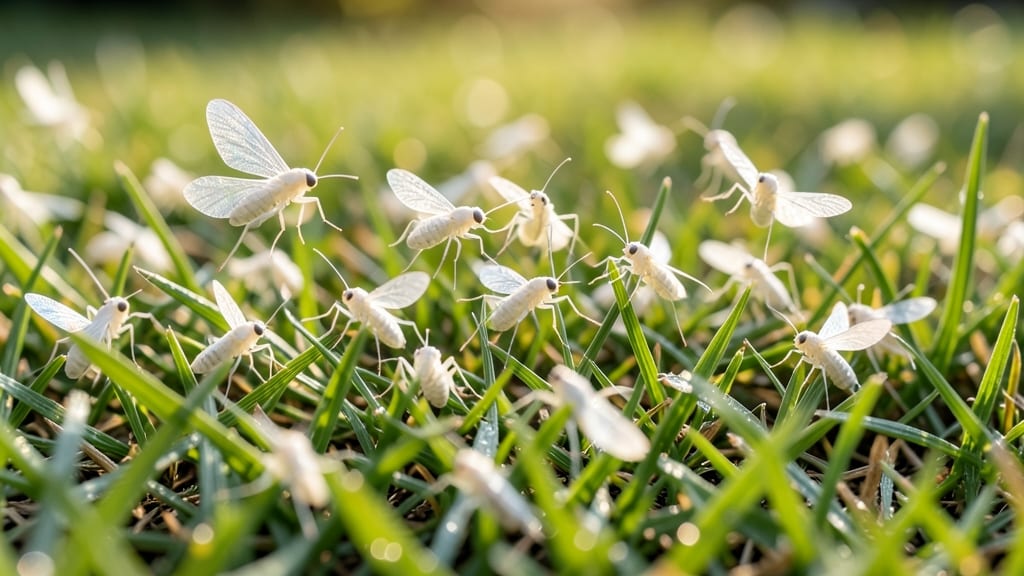
Those tiny white flying bugs hovering over your lawn aren’t just annoying—they’re stealing your grass’s vitality. 🌱 I’ve battled them for years, and I’ve learned the exact spot-targeted methods that work without harming your lawn. The key is identifying the culprit first—fungus gnats, whiteflies, or something else—then attacking with precision.
Most store-bought sprays kill everything in sight, including beneficial insects and your grass. Instead, I use a three-step approach: targeted organic sprays, beneficial nematodes, and simple lawn adjustments that make your turf less appealing to pests. You’ll see results in 7-10 days if you act fast.
The best part? Your lawn stays lush while the bugs disappear. No more bald patches or weakened grass—just a healthy, pest-free yard that actually looks inviting. Here’s how to make it happen without the harsh chemicals.
First, confirm what you’re dealing with. Fungus gnats love damp soil, while whiteflies prefer broadleaf weeds. A quick shake test—tap a leaf over white paper—reveals their presence. Once identified, yellow sticky traps catch adults, and neem oil sprays disrupt their life cycle without harming grass.
Prevention is easier than cleanup. Aerate your lawn in spring, reduce watering frequency, and mow at 3-4 inches to discourage pests. Healthy grass naturally resists infestations, and a few beneficial nematodes in the soil keep populations in check year-round.
If the problem persists after two weeks, it’s time to call in reinforcements. Professional pest control services can assess deeper soil issues or hidden nests. But in most cases, this spot-targeted method works faster and safer than anything you’ll find in a big-box store.
Common Triggers For White Flying Pests
Those sudden swarms of white flying bugs hovering over your lawn aren’t just a nuisance—they’re a response to specific conditions your yard might be providing. Understanding the why behind their presence is the first step to stopping them before they become a full-blown infestation.
Let’s break down the most common causes, backed by science, so you can address the root problem with confidence.
White flying bugs, like fungus gnats or whiteflies, are drawn to damp environments. Overwatering your lawn—especially if the soil stays soggy for days—creates the perfect breeding ground. These pests thrive in moist, organic matter, such as decomposing grass clippings, mulch, or thatch layers.
Even slight waterlogging triggers their life cycle, as their larvae feed on microbial activity in wet soil.
💡 Pro Tip: Test your lawn’s moisture by pressing your finger into the soil—if it’s damp more than an inch down, you’re likely overwatering. Adjust your irrigation schedule to water deeply but infrequently (e.g., 1–1.5 inches per week), and ensure proper drainage to prevent standing water.
Thatch—the layer of organic debris between your grass and soil—can become a hotspot for fungal activity, especially if it’s thick (over ½ inch). White flying bugs like sciarid flies (fungus gnats) are attracted to fungi because their larvae feed on it.
Common lawn fungi, such as Pythium or Rhizoctonia, create ideal conditions for these pests to multiply rapidly.
🔍 Signs to Watch For:
- Patches of mushrooms or mold on the lawn.
- Grass blades turning yellow or brown in damp areas.
- A musty smell when the lawn is wet.
To combat this, dethatch your lawn annually and apply beneficial fungi like Trichoderma, which outcompetes harmful fungi naturally.
Leaves, grass clippings, and wood chips left in piles or thick layers on your lawn act like a buffet for white flying bug larvae. These pests lay eggs in decomposing plant material, where the warmth and humidity accelerate hatching.
Even a small pile of wet leaves or mulch can become a breeding site overnight.
🚫 Avoid These Mistakes:
- Leaving thick mulch layers (stick to 2–3 inches max).
- Allowing grass clippings to pile up instead of mowing frequently.
- Ignoring fallen fruit or plant debris (especially citrus or berries, which attract pests).
🔥 Quick Fix: Rake up organic debris regularly and compost it away from your lawn to disrupt their life cycle.
White flying bugs are most active during warm, humid conditions (ideal temperatures: 70–85°F with high moisture). These pests go through multiple generations per season when weather cooperates, leading to explosive population growth. If your region experiences frequent rain followed by heatwaves, you’re in their prime target zone.
🌡️ Seasonal Alert:
- Spring/Summer: Peak activity due to rising temps and post-rain moisture.
- Fall: Second wave as leaves decompose and temps stay mild.
🎯 Mitigation Tip: Use a soil drench with beneficial nematodes (like Steinernema feltiae) during humid periods to target larvae before they mature into flying adults.
Neglected lawns with thin grass, bare spots, or compacted soil are magnets for white flying bugs. Weak grass can’t compete with weeds or fungi, leaving gaps for pests to exploit. Compacted soil also traps moisture, creating the ideal environment for larvae to thrive.
👨🍳 Preventative Steps:
- Aerate your lawn annually to improve drainage and root health.
- Overseed thin areas with disease-resistant grass varieties.
- Adjust mowing height—taller grass (3–4 inches) shades soil, reducing moisture loss.
✨ Bonus: Apply a slow-release nitrogen fertilizer to strengthen grass and outcompete fungi.
How to Fix Those Pesky White Flies
If you’ve spotted tiny white flying bugs darting around your lawn, don’t panic—there are effective, eco-friendly ways to tackle them without harming your grass. The key is identifying the culprit (likely fungus gnats, whiteflies, or aphids) and applying targeted solutions.
Below, we break down cause-specific fixes, step-by-step methods, and prevention tips to keep your lawn bug-free.
Fungus gnats thrive in moist soil, so the first step is cutting off their breeding ground.
🍳 Step 1: Reduce Soil Moisture
- Stop overwatering: Fungus gnats love damp soil. Water only when the top 1–2 inches of soil are dry (use a trowel to check).
- Improve drainage: Aerate compacted areas to help water evaporate faster.
A core aerator (rentable) works best. - Use a fan: Place a small fan on low near infested patches—adult gnats are weak fliers and will avoid the area.
👨🍳 Step 2: Apply Natural Larvicides
- Hydrogen peroxide spray: Mix 1 part 3% hydrogen peroxide with 4 parts water and spray the soil. The oxygen suffocates larvae.
- Beneficial nematodes: These microscopic worms (Steinernema feltiae) hunt gnat larvae.
Apply at dusk with a watering can (follow package rates). - Diatomaceous earth (DE): Sprinkle food-grade DE lightly over the soil. It dehydrates larvae but is safe for grass once settled.
⏰ Step 3: Prevent Regrowth
- Reapply treatments every 7–10 days until no more adults emerge.
- Avoid mulch buildup near foundations or shady spots where moisture lingers.
These sap-sucking pests cluster on grass blades and weeds. Isolate and eliminate them before they spread.
🔪 Step 1: Yellow Sticky Traps
- Hang yellow sticky cards (available at garden centers) around the lawn’s perimeter. Whiteflies are attracted to yellow and get trapped.
- Pro tip: Place traps 1–2 feet above ground for best results.
🥘 Step 2: Soap or Neem Oil Spray
- Insecticidal soap: Mix 1 tbsp mild liquid soap (like Castile) + 1 quart water.
Spray directly on bugs (reapply after rain). - Neem oil: Combine 1 tbsp neem oil + 1 tsp dish soap + 1 quart water.
Spray in the early morning or evening to avoid harming bees. - 💡 Spray tips: - Focus on undersides of leaves (where they hide). - Avoid spraying in direct sunlight (can burn grass).
🌡️ Step 3: Encourage Predators
- Ladybugs and lacewings: Release beneficial insects or plant dill, fennel, or marigolds to attract them naturally.
- Birds: Install a bird feeder—robins and sparrows love eating aphids.
Once you’ve eliminated the infestation, break the cycle with these habits:
| Problem | Prevention Fix | How to Do It |
|---|---|---|
| Overwatering | Water deeply but infrequently | Use a soil moisture meter to guide watering. |
| Thatch buildup | Dethatch annually | Rent a dethatcher or rake in spring. |
| Weeds | Mow high (3–4 inches) | Keeps grass dense and discourages pests. |
| Organic matter | Limit compost/leaves near lawn edges | Pile debris in compost bins instead. |
🎯 Bonus: DIY Fungus Gnat Repellent
Mix 1 cup apple cider vinegar + 1 tsp dish soap + 1 gallon water in a spray bottle. Lightly mist the soil—fungus gnats hate the smell and avoid laying eggs.
- Avoid chemical pesticides (like malathion)—they can kill beneficial insects and harm grass over time.
- Don’t ignore shade spots—these are prime breeding grounds for gnats.
- Skip the mulch near lawn edges if fungus gnats are recurrent.
With these targeted, grass-safe methods, you’ll see a dramatic drop in white flying bugs within 2–4 weeks. Stay consistent, and your lawn will stay lush—and bug-free!
Frequently asked questions
Are those tiny white flying bugs really harmful to my lawn?
Most white flying bugs like fungus gnats or whiteflies don't directly kill grass, but their larvae damage roots and spread fungal diseases. Heavy infestations weaken grass over time, leading to yellow patches or thin spots. The key is acting fast—larvae feed on microbial activity in soil, creating long-term damage if ignored.
How do I tell if my lawn has fungus gnats vs. whiteflies?
Do the shake test: Tap a leaf over white paper. Fungus gnats appear as tiny, mosquito-like bugs that swarm soil, while whiteflies look like small moths clustered on plant undersides. Fungus gnats thrive in damp soil, while whiteflies prefer broadleaf weeds—check for these clues to choose the right treatment.
Will my lawn recover if I stop watering completely?
No—complete drought stress harms grass more than the bugs. Instead, adjust to deep, infrequent watering (1–1.5 inches per week). Fungus gnats need constantly wet soil to breed, so letting the top 2 inches dry between waterings disrupts their life cycle without killing your lawn.
Can I use the same treatment for all white flying bugs?
No—treatments vary by pest. Fungus gnats need soil drenches (hydrogen peroxide or nematodes), while whiteflies respond to foliar sprays (neem oil or insecticidal soap). Always identify the bug first using the shake test, then apply targeted solutions to avoid wasting time or harming your lawn.
How long until I see results from natural treatments?
With consistent application, you’ll notice fewer adults in 3–5 days and reduced larvae in 7–10 days. Beneficial nematodes take 2–4 weeks to fully eliminate larvae, while sticky traps show immediate results for adult whiteflies. Patience is key—reapply treatments every 7–10 days until the problem disappears.