
Pruning
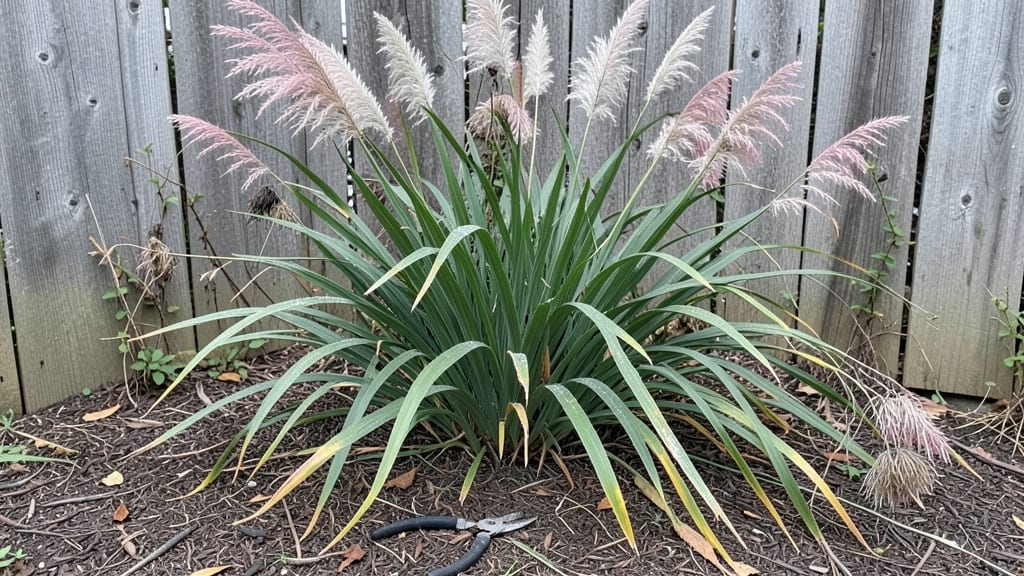
Learn how to cut pampas grass without killing it—or watch your lush clumps turn into sad, tangled skeletons after one bad trim. ✨ I’ve seen it happen until I mastered the secret: timing, technique, and knowing exactly where to slice. to slice.
The key isn’t just hacking back the plumes; it’s working with the plant’s natural growth rhythm to keep it lush and productive.
The right tools and a sharp eye make all the difference. You’ll need heavy-duty pruners or loppers for thick stems, gloves to protect from sharp edges, and a clear day to avoid damp grass that mats together. The best time to cut?
Late winter or early spring, when new growth is just starting—never in fall or winter when the plant is dormant. One wrong cut at the wrong time, and you’ll stunt next year’s blooms.
By following the proper technique, you’ll end up with a plant that stays full, vibrant, and ready to burst into those iconic silvery plumes every season. The grass will grow taller, denser, and more resilient, with fewer brown patches and more energy for flowering.
Trust me, your neighbors will be asking for your secret after they see the difference.
Even if you’ve already over-trimmed, there’s hope. I’ll show you how to revive a struggling pampas grass with simple adjustments—so don’t give up if yours looks rough right now. The right cut isn’t just about looks; it’s about keeping your plant healthy for years to come.
📚 In This Guide
- What you need
- Instructions
- Tips and common mistakes
- Wrapping up and next steps
What you need
- ● Sharp pruning shears – Bypass pruners (4-6" blades) for clean cuts on smaller stalks.
- ● Heavy-duty hedge shears – For larger clumps (18-24" blades) to tackle thick growth efficiently.
- ● Garden gloves – Cut-resistant, breathable (e.g., leather or synthetic mesh) to protect hands from sharp edges and thorns.
- ○ Pruning saw (optional but helpful) – For overgrown, woody stalks that shears can’t handle (7-10" blade).
- ● Loppers – Long-handled (24-30") for reaching tall or dense patches without straining.
- ● Garden twine or burlap – To tie up or contain cuttings for disposal or composting.
- ● Disposable pruning bags – 10-20 gallon capacity to collect debris easily (or a wheelbarrow).
- ● Rake or leaf blower – For clearing dead foliage post-pruning.
- ● Knee pads – If your pampas grass is ground-level or you’ll be kneeling for extended periods.
- ● Hose with nozzle – To rinse off dust after cutting for a cleaner workspace.
- ● Hand sanitizer or wipes – Pampas grass can be slightly irritating; keep hands clean!
- ● Garden journal or markers – To track pruning dates and growth patterns.
- ● Compost bin or mulch – For repurposing cuttings into nutrient-rich soil amendments.
Step-by-Step instructions for pruning pampas grass safely
Here's how I keep my pampas grass looking sharp all year without stunting its dramatic growth.
✂️ Step 1: Time Your First Cut for Late Winter
Wait until early to mid-February when new growth begins but before the plant sends up fresh shoots. You'll notice the old seed heads have turned brown and the center growth looks dormant. This timing lets the plant store energy for the season ahead.
Never cut back in fall or winter—the plant needs those dead seed heads for insulation during cold months. If you live in a mild climate, you can trim as late as early March, but don't wait until spring growth is already 6 inches tall.
✂️ Step 2: Cut Back to the Ground Only Once
Use clean, sharp pruners or a handsaw for larger clumps to make a single clean cut all the way to the base. I always wear gloves—pampas grass leaves can be razor-sharp! The goal is to remove all last year's growth in one motion.
Resist the urge to leave any stubs—this is where fungal diseases hide. If your plant is particularly large, you can cut it into sections and remove them separately. The key is to get down to the healthy green growth at the base where new shoots will emerge.
☀️ Step 3: Maintain Through the Growing Season
Once new growth reaches 12-18 inches tall, you can do light shaping by removing any straggly stems. Never cut more than one-third of the plant at once. I use my fingers to gently pull out weak stems rather than cutting—it's less stressful for the plant.
Water deeply after any pruning to help the plant recover. You'll see fresh green growth within 2-3 weeks if you've timed it right. The plant will naturally grow upright again, and you can shape it as needed throughout summer.
⏰ Step 4: Clean Up Fall Seed Heads Strategically
Leave some seed heads until late fall for winter interest, but remove the rest when they turn completely brown. Cut them back to 6-12 inches above the ground rather than all the way down—this protects the emerging buds for next year's growth.
I always save a few seed heads for winter arrangements. The rest get composted or removed to keep the area tidy. This light pruning prevents the plant from putting all its energy into seed production at the expense of new growth.
Tips & tricks for pruning pampas grass like a pro
Keeping your pampas grass looking its best without harming its growth takes a little strategy—and I've learned these tricks after a few too many over-trimmed plants.
Timing is Everything: That early to mid-February window in Step 1 is your golden opportunity. I've found the best way to tell if it's the right time is to look for the old seed heads turning completely brown while the center still looks dormant. If you see any green shoots popping up, you've waited too long. Between us, I almost missed this last year and ended up with a plant that took months to recover.
Tool Selection Matters: For Step 2, don't underestimate the importance of sharp tools. I've tried dull pruners that just crushed the stems instead of making clean cuts. A handsaw works great for larger clumps, but make sure it's clean to prevent spreading disease. And seriously, wear gloves—those leaves are like tiny razors! The clean cut is what lets new growth emerge strong.
Spring Growth Maintenance: When you reach Step 3 and see that 12-18 inch growth, here's what I do differently: I wait until the stems are actually reaching for the sky before touching them. That's when they're strong enough to handle shaping. I also make a point to water deeply right after any pruning—it's like giving the plant a drink of encouragement to bounce back.
Fall Cleanup Strategy: In Step 4, leaving some seed heads for winter interest is a game-changer. I always save at least three or four for arrangements, but I make sure to leave them spaced out so they don't all get knocked over by wind. The key is that partial cut back—6-12 inches—gives the plant just enough protection while still letting it prepare for next year's growth.
Pro Tips for Cut Pampas Grass Without Killing It
- Keeping your pampas grass looking its best without harming its growth takes a little strategy—and I've learned these tricks after a few too many over-trimmed plants.
- Timing is Everything: That early to mid-February window in Step 1 is your golden opportunity.
- Tool Selection Matters: For Step 2, don't underestimate the importance of sharp tools.
Frequently asked questions
Got questions about keeping your pampas grass looking sharp without harming its health? You’re not alone! Here are some of the most common concerns—plus straightforward answers to keep your plants thriving.
When is the best time to cut pampas grass?
The ideal window is late winter or early spring, just as new growth begins (typically February–March in most climates). Avoid cutting in fall or winter, as this can expose the plant to cold damage. If you must trim for aesthetics, wait until after flowering (late summer/early fall) but leave at least 1/3 of the foliage intact.
Can I cut pampas grass in summer?
Yes, but with caution! If you need to shape it mid-season, do so after flowering (late summer) and never cut more than 1/3 of the plant at once. Summer trims can stress the grass, so prioritize light shaping over aggressive pruning. Always use sharp tools to avoid tearing leaves, which can invite pests or disease.
What if I cut too much and the plant looks sad?
Don’t panic! Pampas grass is hardy and often bounces back. If you’ve over-trimmed, reduce watering slightly to help it focus on recovery. Avoid fertilizing for 4–6 weeks, and monitor for new growth. If the center looks bare, it may be deadheading old foliage—simply leave it and let the plant regenerate from the base.
How often should I trim pampas grass?
For most climates, 1–2 trims per year suffice: once in late winter/early spring for shaping, and optionally after flowering to tidy up. Over-trimming weakens the plant, so resist the urge to prune more than necessary. If your grass grows aggressively, a light trim in mid-summer (post-bloom) can help maintain its shape without stress.
What’s the difference between pruning and deadheading?
Pruning refers to shaping the entire plant (usually in dormancy or post-flowering) to control size or improve appearance. Deadheading means removing spent flower plumes (after they’ve turned brown) to encourage new growth and prevent seed spread. For pampas grass, deadheading is optional but keeps your yard neater—just snip the seed heads cleanly at the base.
Still unsure? Pro tip: Snap a photo of your pampas grass before trimming and compare it to your post-cut result. This helps you track progress and avoid over-pruning in future sessions!
Wrapping up and next steps
Cutting pampas grass the right way doesn’t have to be intimidating—it’s all about timing, technique, and a little patience! 🌿 By following these steps, you’ll keep your pampas grass lush, healthy, and thriving while avoiding common mistakes that could harm it.
Now that you’re armed with the know-how, grab your pruners and give your pampas grass the care it deserves—your garden will thank you with stunning, year-round flair!
Ready to take it further? Consider adding mulch or fertilizing to boost growth after pruning, or explore creative ways to style your newly shaped pampas grass for a show-stopping look! 🌟